



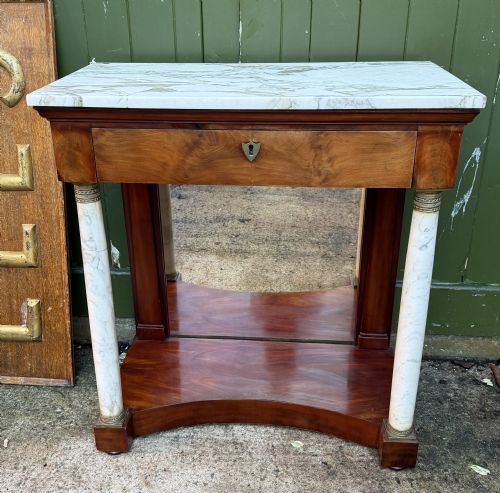

Classical Hall Mirror
A classical hall mirror anchors an entrance with architectural gravity, bringing the balanced geometry of the nineteenth century into daily use.
Classical Hall Mirror
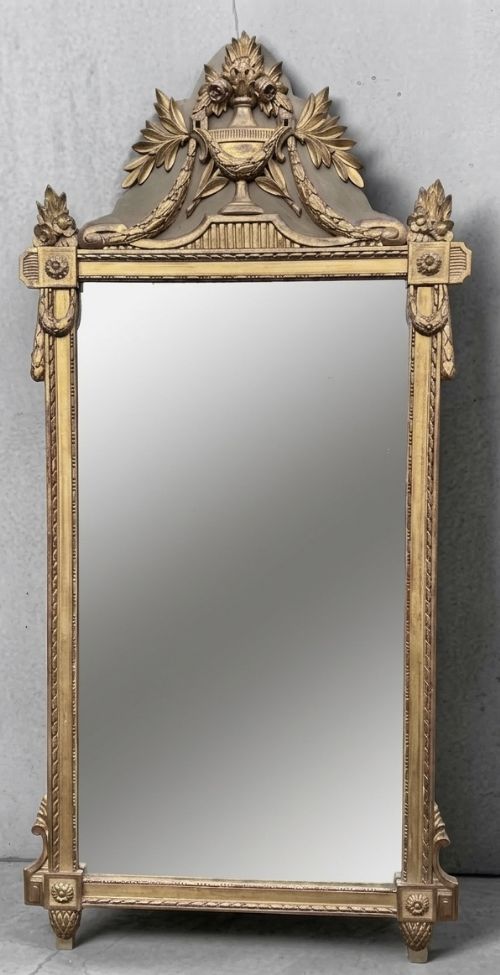
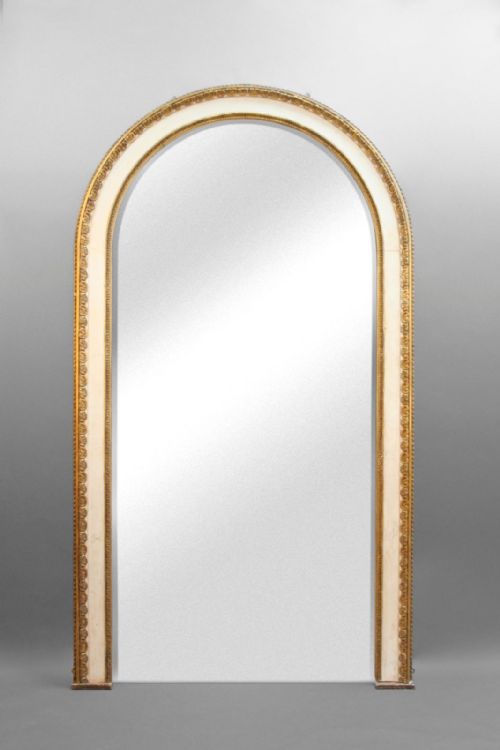
A classical hall mirror sits within the entranceway, combining reflective glass with architectural timber frames or gilded ornament drawn from nineteenth-century forms. These pieces often draw on Grand Regency, Empire, and Neoclassical vocabularies, anchoring the space immediately inside the door.
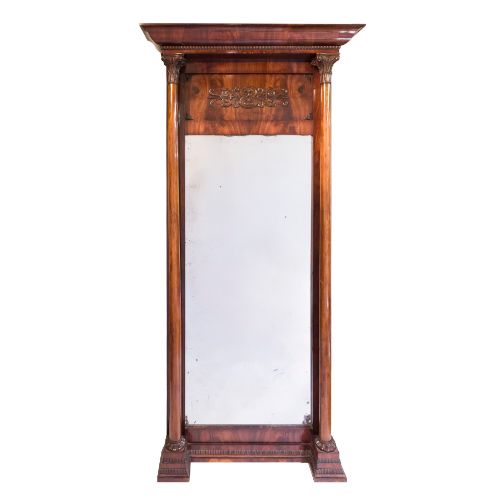
The versions most commonly met span the nineteenth century, ranging from tall pier glasses designed to stand between windows to console-mounted combinations and carved giltwood wall frames. Their makers utilised established idioms such as French Neoclassical and Biedermeier to project order and proportion.
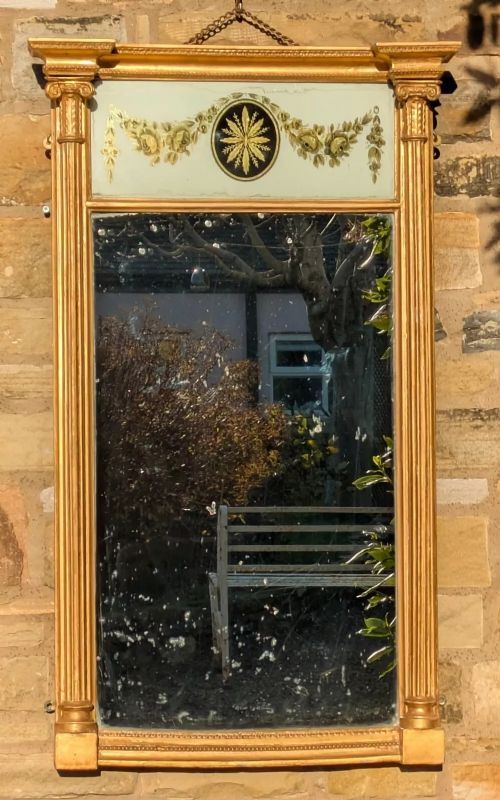
Many incorporate specific decorative panels, such as verre églomisé sections above the main glass, or rest upon matching marble-topped cabinets. The physical presence ranges from intimate Swedish birchwood frames to towering walnut structures reaching eight feet in height.
How they were made
Makers constructed these frames from dense hardwoods like mahogany and walnut, frequently applying fine veneers or carved gesso surfaces ready for gilding. Painted wood and brass accents also appear, adding contrast and structural detail to the primary timber carcasses.
Giltwood elements relied on layered gesso over carved wood bases, allowing intricate classical motifs like acanthus leaves and egg-and-dart moulding to take sharp definition. Glass plates were typically silvered and fitted into deep rebates to support the weight of tall formats.
Classical Hall Mirror Retail Price Guide 2026
Typical asking prices for classical hall mirror among the pieces listed under this phrase on Sellingantiques today, from the lower quarter to the upper quarter. They describe what is for sale here now, not the wider market.
Some tall mirrors reach eight feet, ensuring guests check their hats as well as their hair.
What varies in quality
The standard of carving and the crispness of applied gesso ornamentation set individual examples apart, distinguishing workshop execution from routine production. Deeper relief work and cleanly defined classical motifs show a surer hand in the carver.
The choice of primary timber and veneer figure dictates the underlying integrity of the piece, with choice cuts of mahogany, walnut, and birch retaining their structural stability and finish over generations. Original mercury or early silvered glass plates add historical weight compared to later replacements.
The Classical Hall Mirror Glossary
- Pier glass
- A tall mirror specifically designed to hang on the wall space between two windows, often placed above a matching console table.
- Verre églomisé
- A process of applying cold painting and gold leaf to the reverse of glass, frequently seen in panels above the main mirror plate.
- Gesso
- A plaster-like mixture applied to wood frames as a smooth base for subsequent gilding or painting.
- Biedermeier
- A Central European style dating to the nineteenth century that emphasises utilitarian comfort and clean lines through native wood veneers.
- Giltwood
- Timber carved and coated with gold leaf, creating a bright reflective surface popular in classical decorative schemes.
Classical Hall Mirror: Frequently Asked Questions
How do I identify the period?
Dating relies on observing the combination of timber, carving style, and construction methods, matching details like Empire or Biedermeier veneers to nineteenth-century workshops.
The presence of original mirrored glass plates and traditional backboards further helps confirm the manufacturing era.
Are these mirrors heavy to hang?
Many nineteenth-century frames are substantial pieces constructed from solid hardwoods, dense gesso, and thick glass plates, requiring secure wall anchoring.
Professional installation into solid masonry or direct wall studs is recommended to support the significant weight safely.
What is a pier mirror and console?
A pier mirror and console combination links the wall-hung glass with a matching low table designed to fit directly beneath the frame.
This integrated arrangement was common in nineteenth-century interiors to furnish narrow wall spaces between windows or doors.