



Classical Figurine Study
A classical figurine study captures the enduring form of antiquity through bronze, marble, and porcelain.
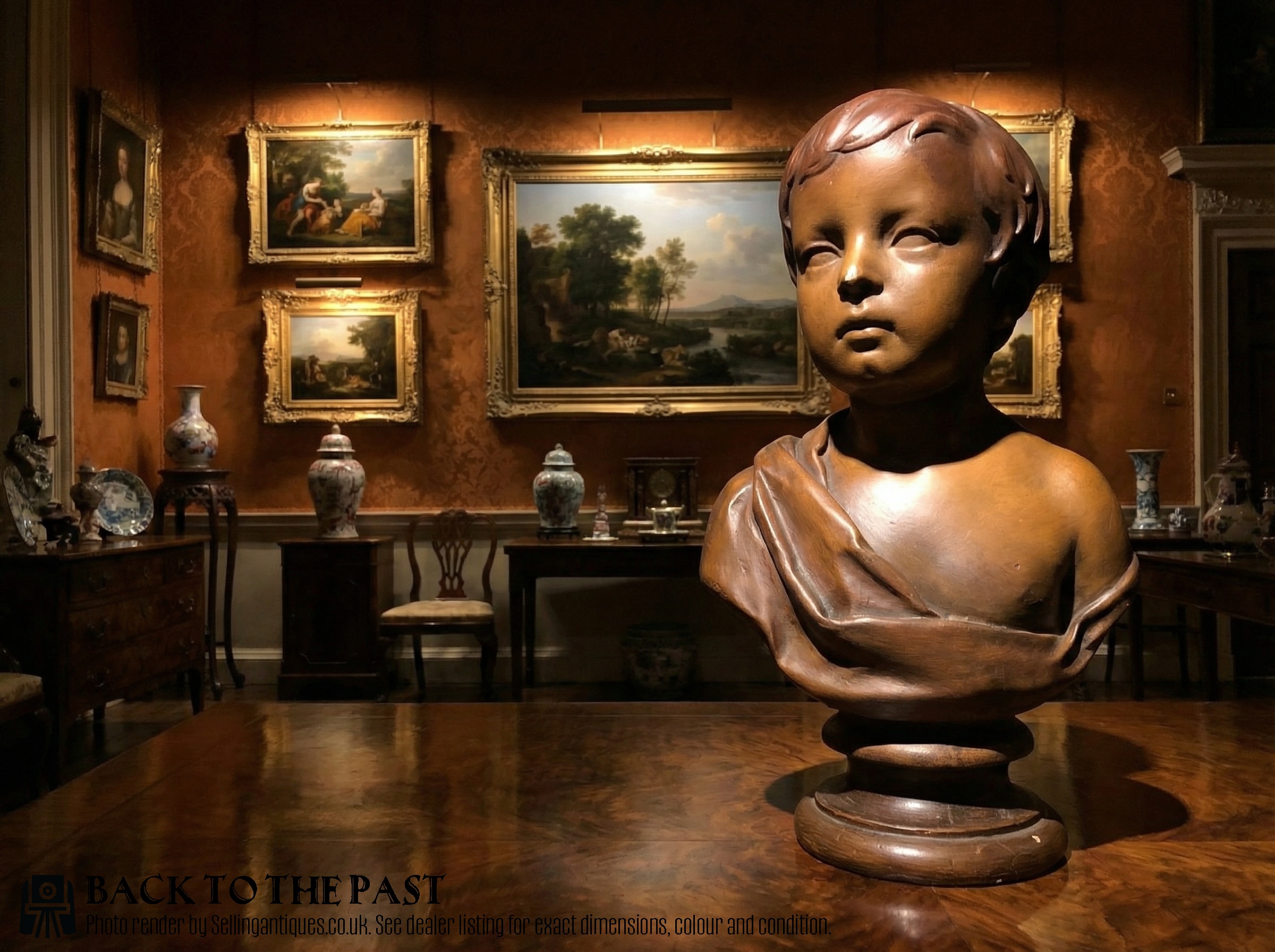
Classical Figurine Study
A classical figurine study represents sculptural works rooted in ancient myth, historical figures, and heroic subjects. These pieces span from the seventeenth century through the Victorian era and into the mid-twentieth century, with nineteenth-century examples appearing most frequently.
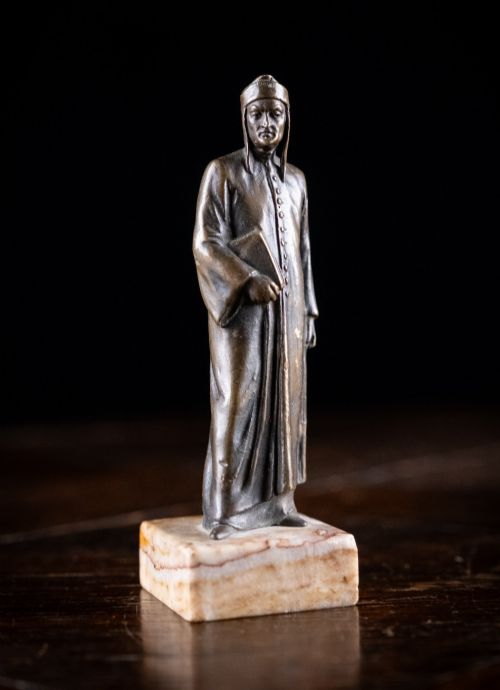
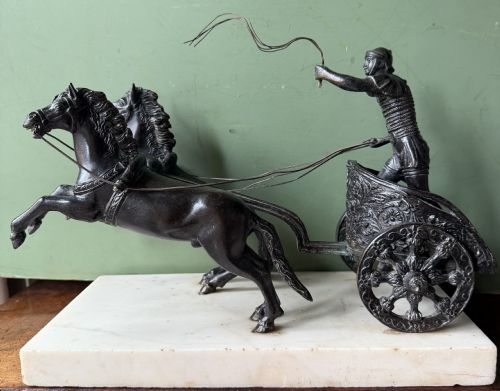
Collectors encounter grand tour souvenirs alongside French nineteenth-century bronzes, parian porcelain derivations, and patinated plaster busts. Formats range from charioteers and mythological deities to literary figures and musicians.
Origins vary between English workshops, French foundries, Italian souvenir artisans, and Swedish porcelain manufactories. Each piece serves as a physical record of academic realism and neoclassical taste.
Materials and Construction
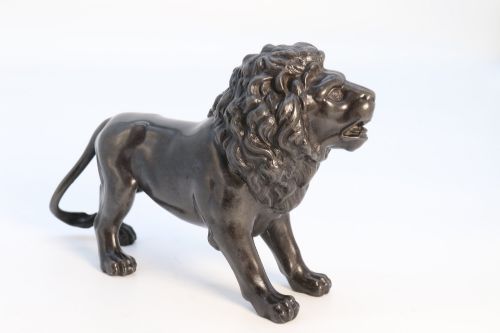
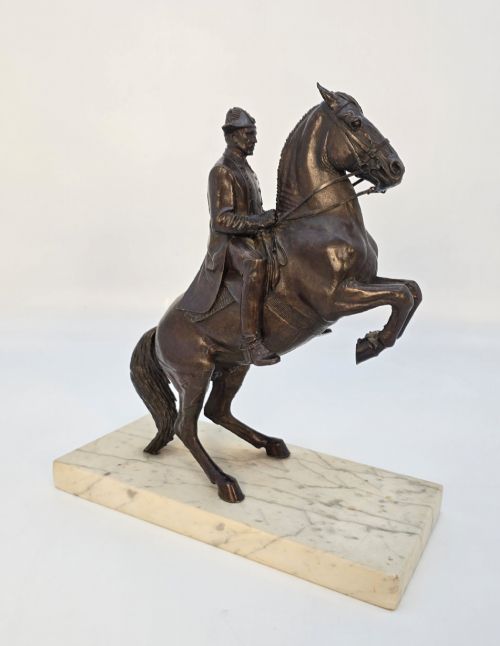
Foundries utilised traditional lost-wax casting methods to produce detailed patinated and bright bronzes, often mounting the resulting sculptures upon white marble plinths. This metalwork technique allowed sculptors to capture musculature and drapery with precision.
Ceramicists employed parian porcelain and bisque porcelain to mimic carved marble surfaces, scaling down monumental antiquities for domestic display. Terracotta and patinated plaster provided alternative mediums for early nineteenth-century and seventeenth-century works.
Listings feature works cast in bronze, patinated plaster, and brass alongside parian porcelain and terracotta pieces spanning from 1700 to the mid-twentieth century.
Assessing Quality and Execution
The fidelity of the cast to known classical antiquities dictates the desirability of a Grand Tour souvenir or academic study. Signatures from documented makers add substantial weight to the execution and historical attribution of the work.
Johann Heinrich Dannecker·Hector Lemaire·Sir Thomas Brock·Marcel Debut
The Classical Figurine Study Glossary
- Grand Tour
- A nineteenth-century tradition where wealthy travellers collected bronze reductions of classical sculptures as souvenirs of Italy. These portable bronzes brought ancient art into domestic interiors.
- Parian Porcelain
- A fine-grained ceramic material developed in nineteenth-century Britain to imitate carved white marble. It gained popularity for portrait busts and classical figure studies due to its matte finish.
- Patination
- The chemical treatment or natural weathering applied to the surface of bronze to create colour and depth. A well-preserved patina enhances the sculptural definition of the piece.
- Charioteer
- An ancient racing figure frequently depicted in bronze reductions and Grand Tour souvenirs. These subjects draw directly from classical Greek and Roman sculptural fragments.
- Putto
- A chubby male child figure, often winged, derived from classical art and frequently modelled as hunters or musicians in nineteenth-century French bronzes.
Classical Figurine Study: Frequently Asked Questions
What is a classical figurine study?
A classical figurine study is a sculptural representation of a mythological subject, historical personage, or ancient sculpture. These works served as educational pieces for artists or as decorative objects for collectors.
Most surviving examples date from the nineteenth century, reflecting a widespread cultural fascination with antiquity and academic realism.
How were Grand Tour bronzes used?
Grand Tour bronzes were acquired by travellers journeying through Italy and France during the eighteenth and nineteenth centuries. They functioned as portable reminders of classical sculpture seen in museums and excavations.
Owners typically displayed these small-scale bronzes on mantelpieces, desks, or specialised marble plinths within domestic libraries and studies.
How do I identify parian porcelain?
Parian porcelain is characterised by its unglazed, matte surface that closely resembles carved white marble. It does not possess the glossy sheen found on standard domestic ceramics.
Manufacturers used this ceramic body specifically to replicate classical statuary and portrait busts for Victorian collectors who desired marble-like finishes at a smaller scale.
Why are some bronzes patinated?
Foundries applied chemical patination to bronze surfaces to simulate ancient ageing and to emphasise sculptural details. Dark brown, green, and black patinas created depth and contrast against musculature and drapery.
This finishing process protected the underlying metal while aligning the aesthetic of new sculptures with genuine excavated antiquities.