






Classical Figure Study Artwork
Classical figure study artwork captures the human form through academic discipline, offering collectors a direct link to historical atelier training and traditional draughtsmanship.
Classical Figure Study Artwork
A classical figure study artwork represents the foundation of traditional artistic training, focusing on the human form through rigorous observation and proportion. When exploring this genre, buyers encounter works executed across several centuries, from Georgian sketches to Victorian academic drawings.
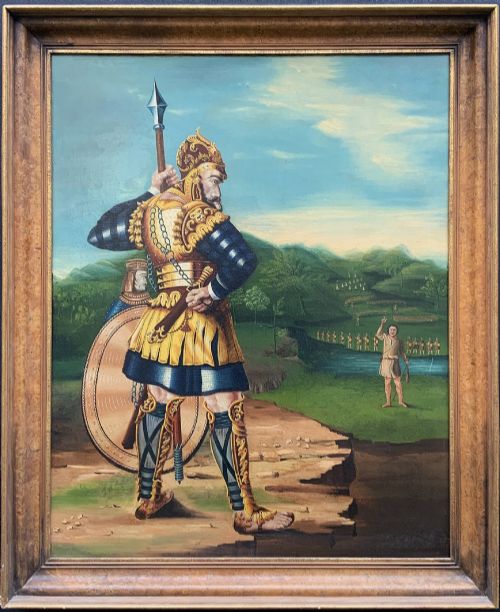
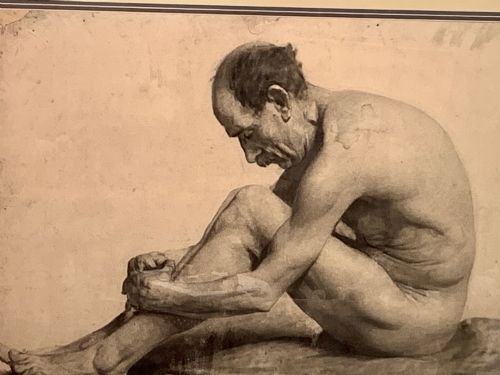
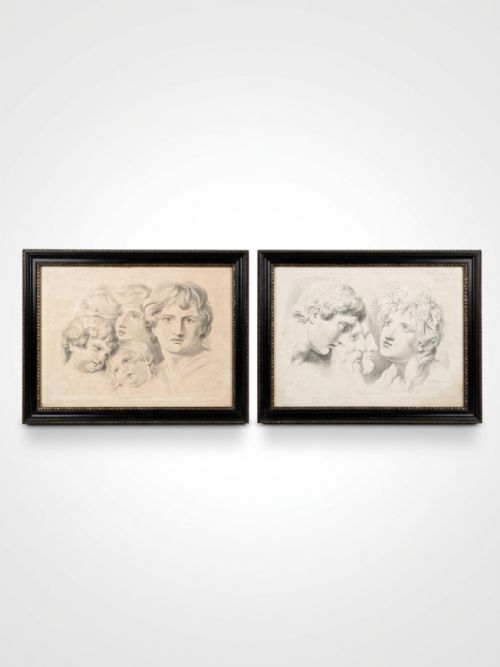
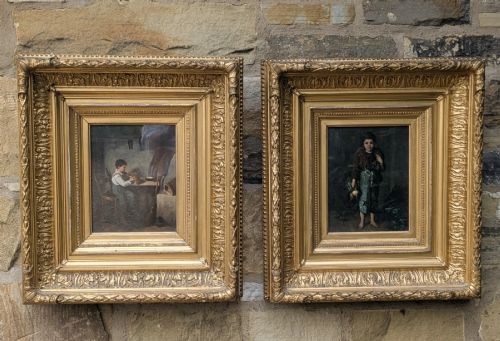
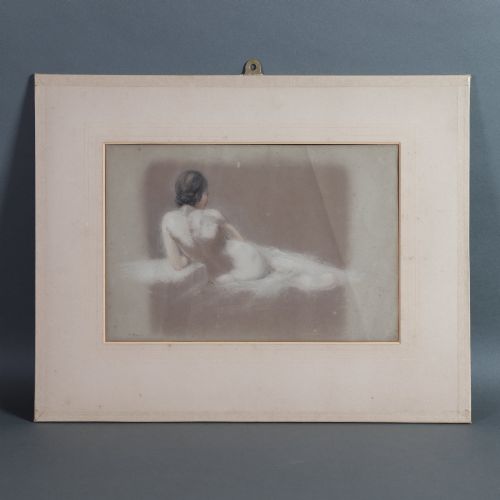
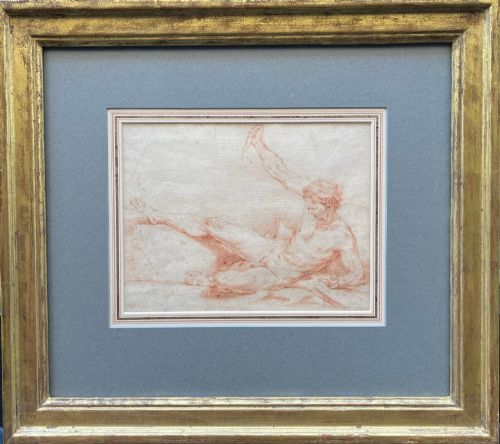
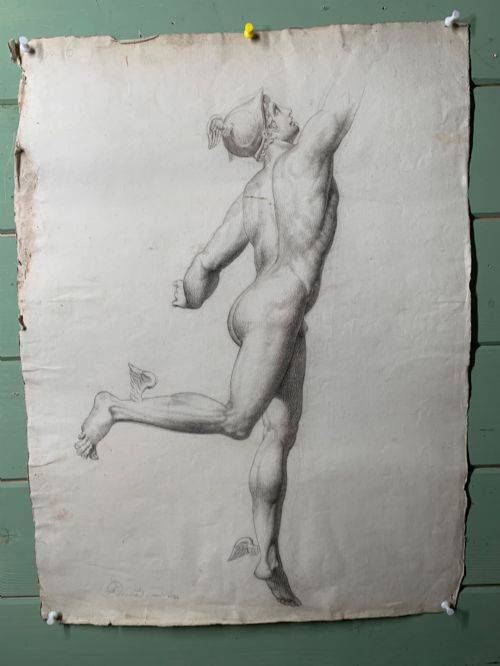
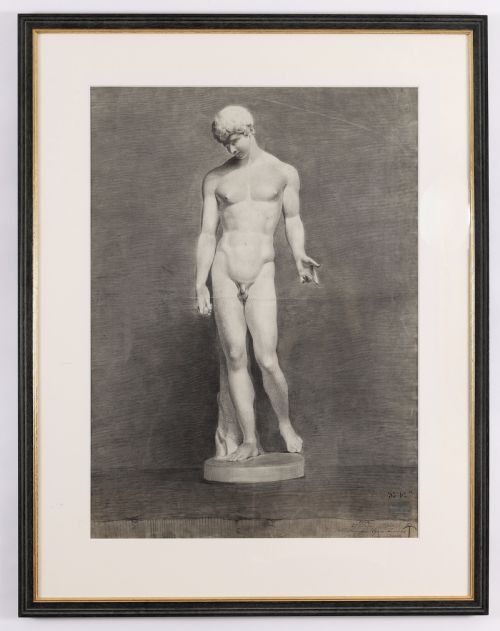
The pieces on this page span diverse forms, including graphite and red chalk drawings, oil paintings on canvas and board, and period prints. Academic life studies of male and female nudes sit alongside mythological depictions and portrait studies.
Origins vary from English school interpretations to continental European ateliers, particularly Italian and French academies. Collectors find both finished compositions and rapid life studies intended to capture musculature, gesture, and expression.
Materials and execution
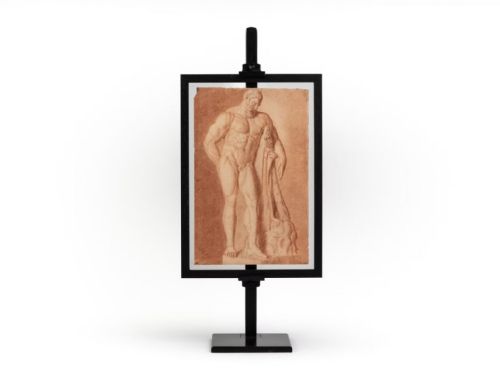
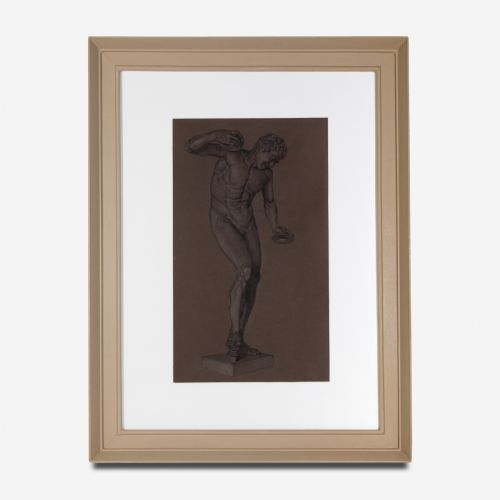
These works rely on traditional media such as graphite, charcoal, red chalk, ink, and oil paint applied to paper, board, or canvas. Draughtsmen utilised sanguine and charcoal to build tonal depth and render musculature with anatomical precision.
Oil studies often employ layered glazes and impasto on canvas or prepared panels to examine light falling across the human body. Drawings frequently show the underlying geometric construction lines and grid marks used by students to ensure correct proportions.
Classical Figure Study Artwork Retail Price Guide 2026
Typical asking prices for classical figure study artwork among the pieces listed under this phrase on Sellingantiques today, from the lower quarter to the upper quarter. They describe what is for sale here now, not the wider market.
Listings span the eighteenth, nineteenth, and early twentieth centuries, incorporating works executed in oil, charcoal, ink, and red chalk.
Factors of quality
Quality in these pieces rests upon the surety of the line and the artist's grasp of human anatomy. A superior study demonstrates confident handling of shadow and light, creating volume and weight rather than mere outline.
The purpose of the work also influences its standing; a finished academy submission intended for exhibition carries a different presence compared to a quick compositional sketch. Preservation of the paper or canvas, minimal surface disturbance, and strong provenance elevate individual examples.
Siegfried Bendixen·William Etty·Hyacinthe Colin de Vermont·François-André Vincent·Henry Arthur Roberts·Allan Douglas Davidson·James Clark·William Edward Frost·Bartolomeo Schedoni·Peter Paul Rubens·Reynard Le Vieux
The Classical Figure Study Artwork Glossary
- Academic realism
- A style of painting and drawing produced under the influence of European academies of art, prioritising accurate anatomy and classical proportions. It represents the standard teaching method of the nineteenth century.
- Grand Tour
- A traditional trip of Europe undertaken by upper-class European young men of sufficient status, resulting in the acquisition of art and antiquities. Etchings and drawings from this context often record classical sculptures.
- Sanguine
- A type of red chalk used for drawing, producing a warm reddish-brown tone. It was widely utilised by artists for figure studies and portrait sketches from the Renaissance onward.
- Recto and verso
- Terms denoting the front and back of a single sheet of paper or panel. Many early drawings feature sketches on both sides as paper was a valuable commodity.
Classical Figure Study Artwork: Frequently Asked Questions
What is a classical figure study?
A classical figure study is an artwork created to examine the human body, serving as practice or preparation for a larger historical or mythological painting. These works emphasise accurate proportion, musculature, and posture.
Historically, artists produced them within academy settings or during independent training sessions to master the complexities of human anatomy.
How do I date an academic drawing?
Dating relies upon paper quality, watermark evidence, framing style, and the distinct stylistic conventions of the period. Georgian and Victorian academic drawings often exhibit specific handling of graphite and chalk that shifts across decades.
Inscribed dates or biographical details of the sitter or artist written on the reverse provide further chronological context.
Where were these drawings originally used?
Artists and students created these studies in formal art academies, private studios, and during travels across Europe. They served as reference material for historical compositions or as exercises in rendering light and shadow.
Such pieces remained in studio portfolios or passed down through generations of practitioners before entering the collector market.
How should I frame and display paper works?
Works on paper require conservation-grade mounting using acid-free materials to prevent yellowing and deterioration over time. Glazing with UV-filtering glass protects delicate media like charcoal, chalk, and pastel from fading.
Display these pieces away from direct sunlight and high humidity to preserve the integrity of the paper and pigments.