

Classical Figure Statuette
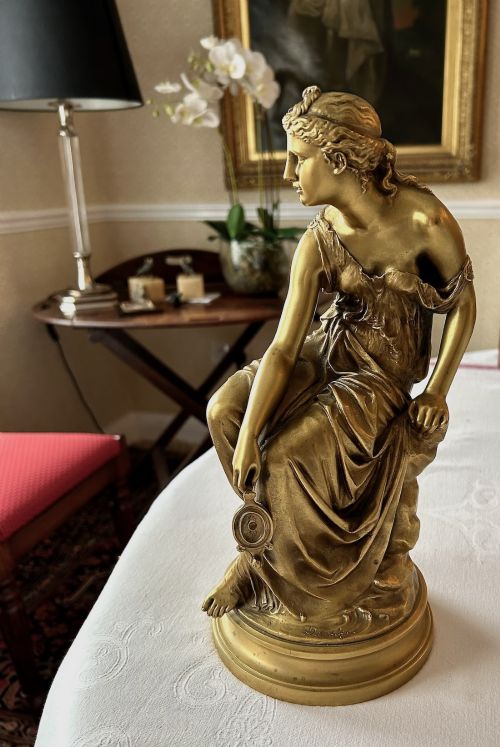
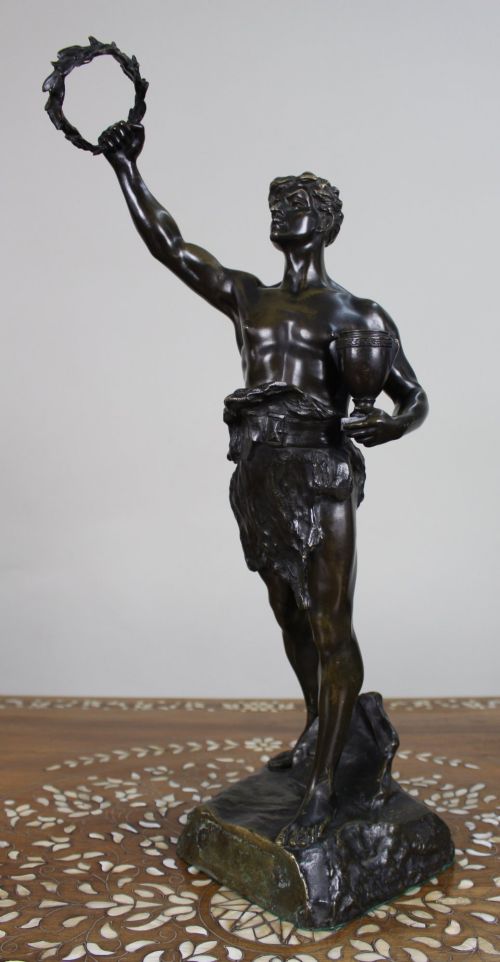
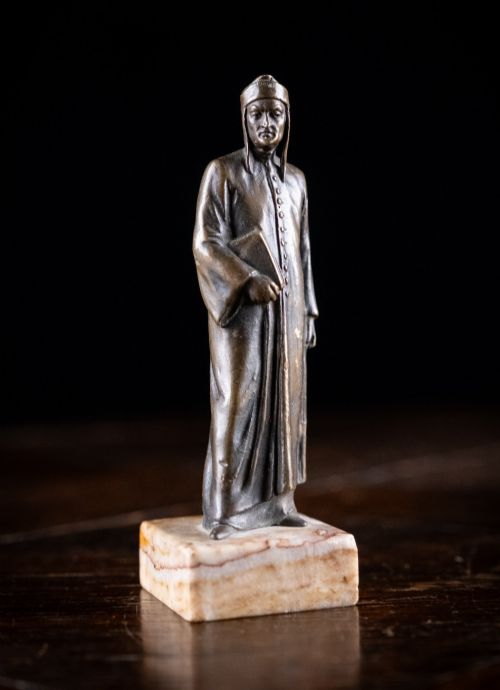
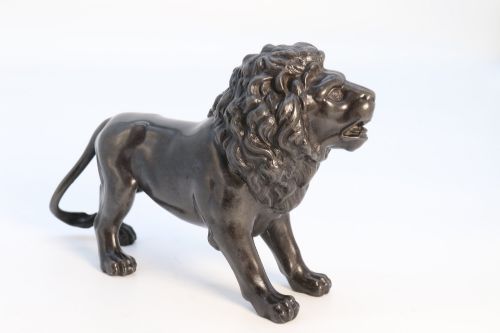
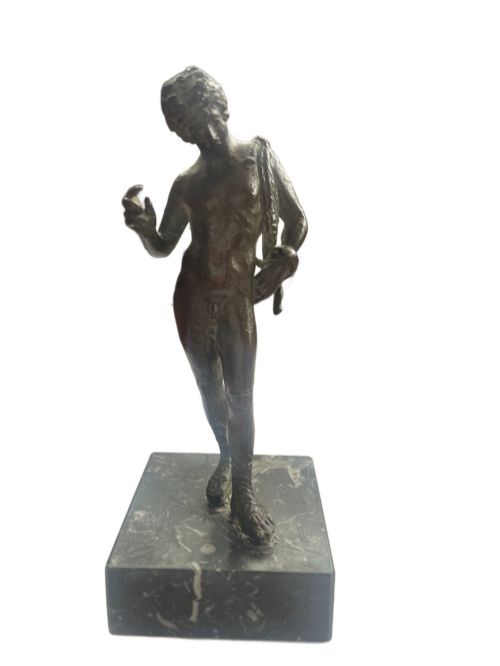
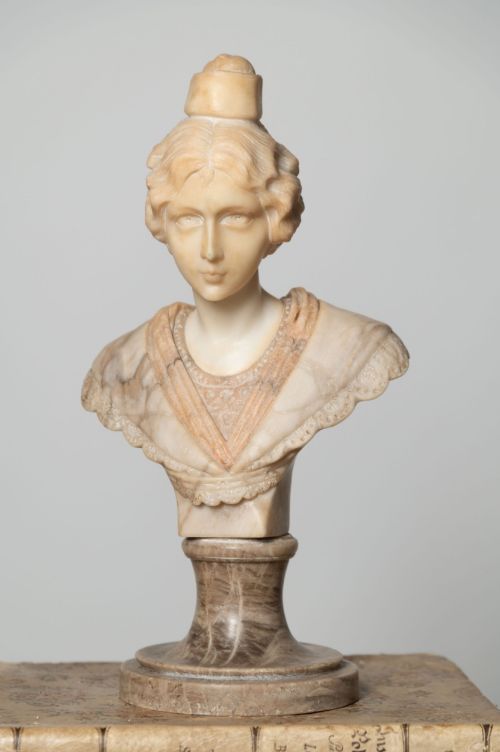
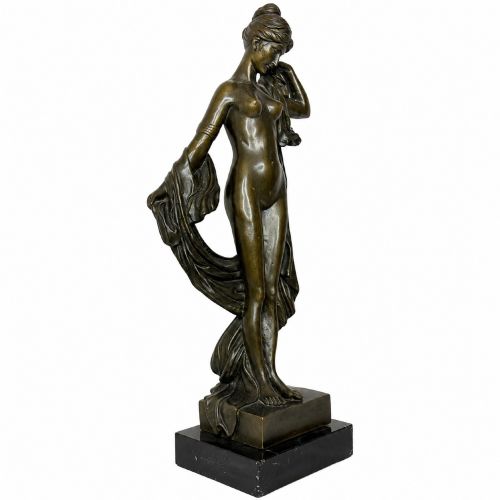
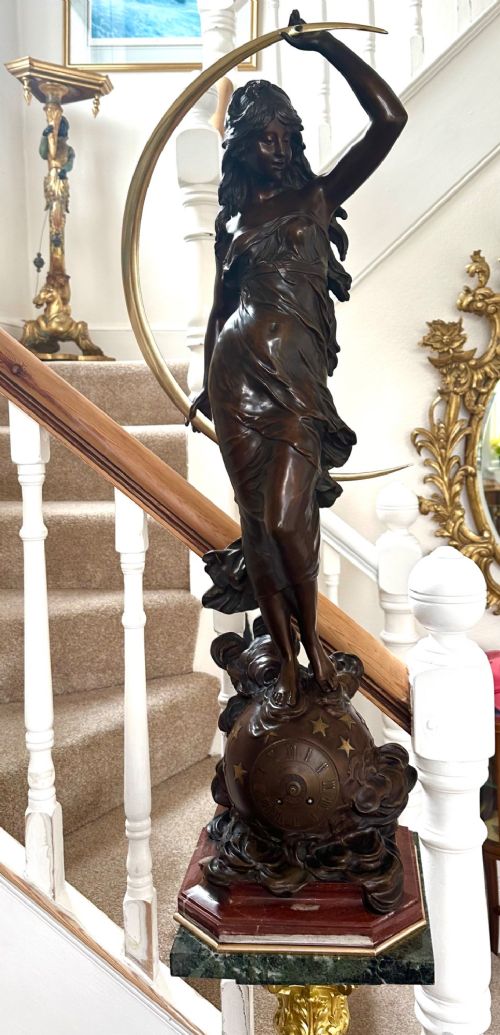
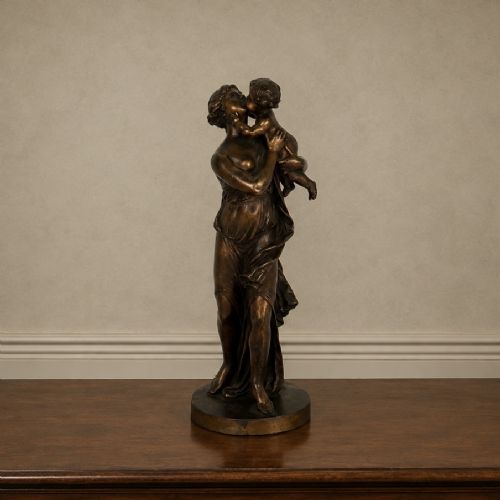
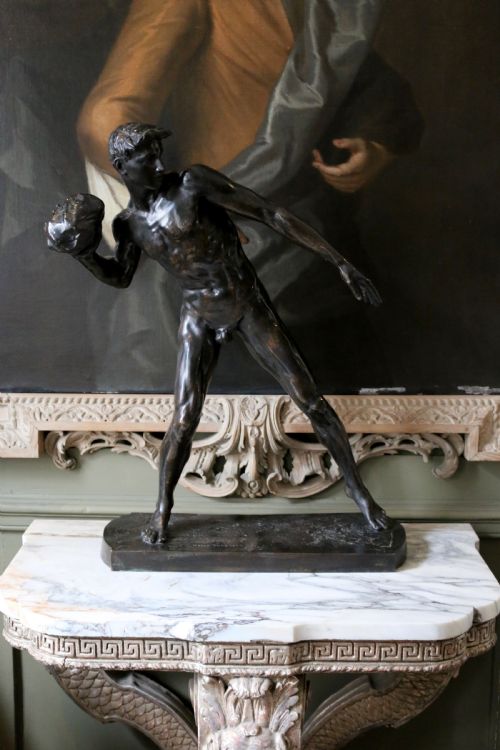
These classical figure statuette pieces bring mythological subjects and ancient forms into nineteenth-century interiors.
Classical Figure Statuette
A classical figure statuette represents mythological deities, literary subjects, and ancient sculptures translated into portable bronze, marble, porcelain, and alabaster forms. These objects include Grand Tour souvenirs, French foundry productions, and English porcelain figures created across the eighteenth and nineteenth centuries.
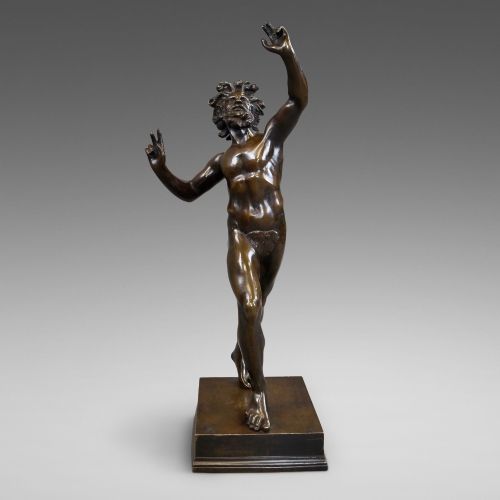
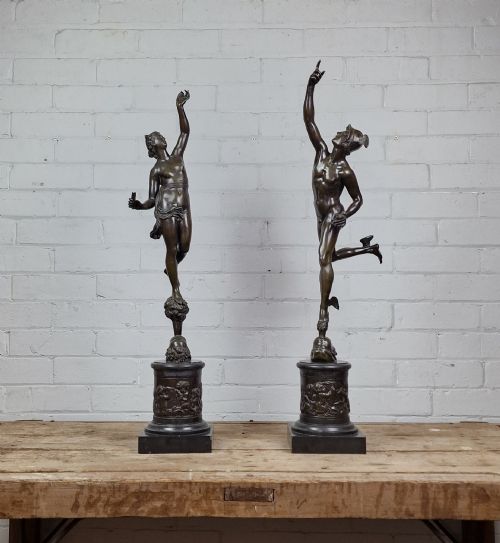
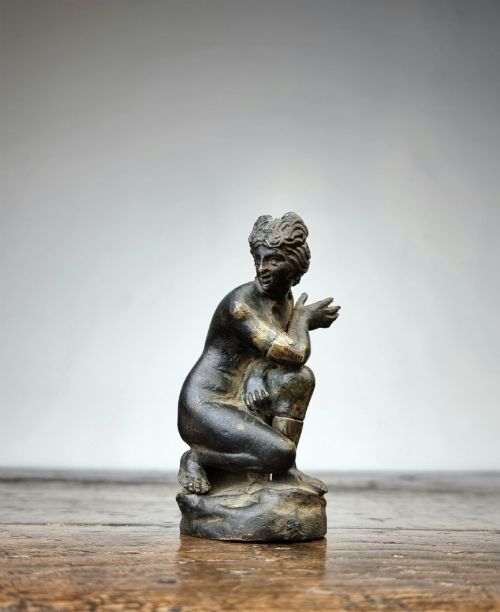
The selection here runs from small patinated bronze studies of deities like Mercury and Venus to carved alabaster figures and porcelain representations of historical characters. Neapolitan and Italian works share space with French neoclassical interpretations and English porcelain pieces.
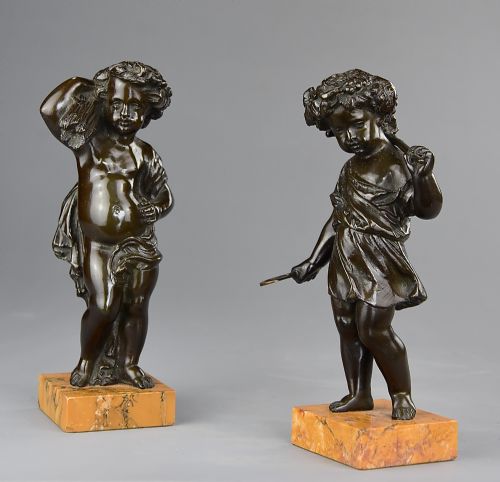
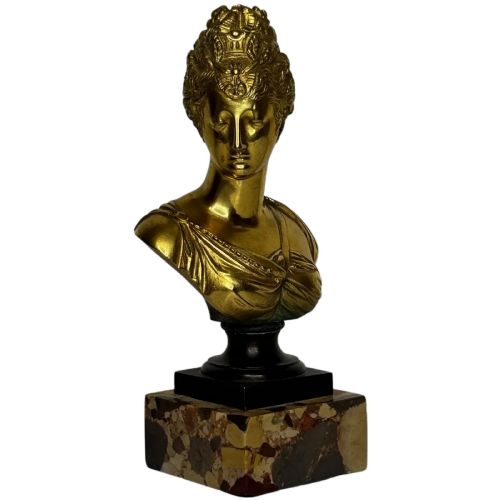
Buyers encounter subjects ranging from the Capitoline Wolf and dancing fauns to allegorical putti and classical maidens mounted on marble plinths. These varied forms reflect both academic study and domestic decorative tastes of the Victorian period.
How they were made
Foundries produced the metal works using traditional lost-wax casting methods in bronze, often applying dark patination or gilt finishes to enhance surface detail. Sculptors also carved figures directly from blocks of white marble, fossil marble, serpentine, and alabaster.
Porcelain pieces utilised biscuit and glazed ceramic bodies moulded and painted in factory settings such as Derby, Bow, and Samson Paris. These varied materials required specialised handling, from metal chasing and chiselling to ceramic firing and enamel decoration.
Several classical maidens share shelf space with athletic lizards, dancing fawns, and tiny harvesting putti.
What varies in quality
The precision of the casting and the crispness of the chaser's final work separate standard foundry editions from finer sculptural studies. Surface patination depth and the quality of the supporting marble or serpentine base also influence the overall character of the piece.
Etienne-Henri Dumaige·Moreau Family·August Moreau·Hamo Thornycroft·Antonio Canova·Julien Lorieux·Fritz Kochendorfer·Giambologna
The Classical Figure Statuette Glossary
- Grand Tour
- A nineteenth-century travel souvenir tradition where wealthy tourists collected bronze and marble reductions of famous ancient Italian sculptures. These miniature studies allowed travellers to bring classical antiquity home.
- Patinated Bronze
- A metal sculpture treated with chemical solutions to produce a controlled surface coloration, often dark green or brown. This finish mimics the appearance of ancient buried bronzes.
- Bisque Porcelain
- Unglazed ceramic fired to a matte, porous white finish that resembles carved marble. It was widely utilised for neoclassical figural groups.
- Alabaster
- A soft, fine-grained stone used for carving statues and architectural bases. Its translucent quality allowed sculptors to achieve lifelike flesh tones.
- Serpentine
- A dark green silicate mineral used for decorative plinths and bases. It frequently supports Italian bronze statuettes.
Classical Figure Statuette: Frequently Asked Questions
What is a Grand Tour statuette?
A Grand Tour statuette is a small-scale souvenir acquired by travellers visiting classical sites in Italy during the nineteenth century. These reductions captured famous statues seen in museums and ruins.
Foundries in Naples, Florence, and Rome produced these bronze and marble figures to satisfy the demand for portable classical culture.
How are bronze and porcelain figures dated?
Dating relies on stylistic clues, foundry marks, material composition, and the type of base used for mounting. Patination styles and casting techniques also shift between the eighteenth and late nineteenth centuries.
Comparative examples from documented makers help narrow the decade of production for unsigned studio pieces.
Where should I display a marble or bronze statuette?
These sculptures suit tabletops, mantelpieces, and dedicated display cabinets where their materials can catch ambient light. Placing them away from direct heat sources protects stone and metal surfaces.
Heavier pieces require sturdy furniture due to the weight of their marble or serpentine plinths.
Are these figures solid bronze?
Many nineteenth-century figures utilise hollow cast bronze construction to reduce weight and metal usage while maintaining structural integrity. Bases are frequently solid marble, alabaster, or slate.
Small details and attributes were often cast separately and pinned or soldered into the main body.