

Classical Figure Oil Painting
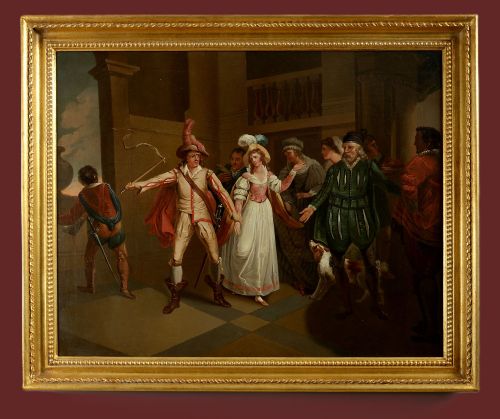
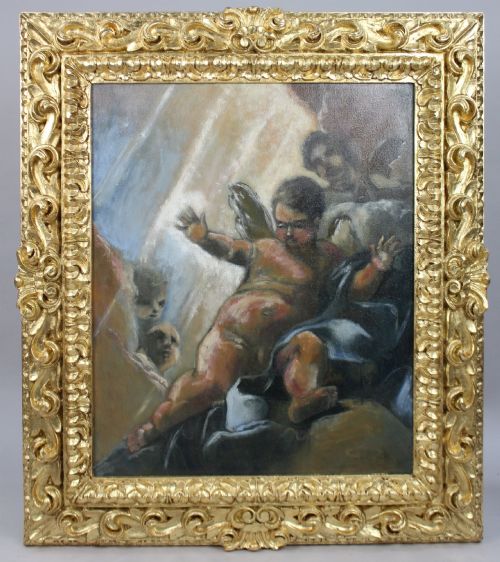
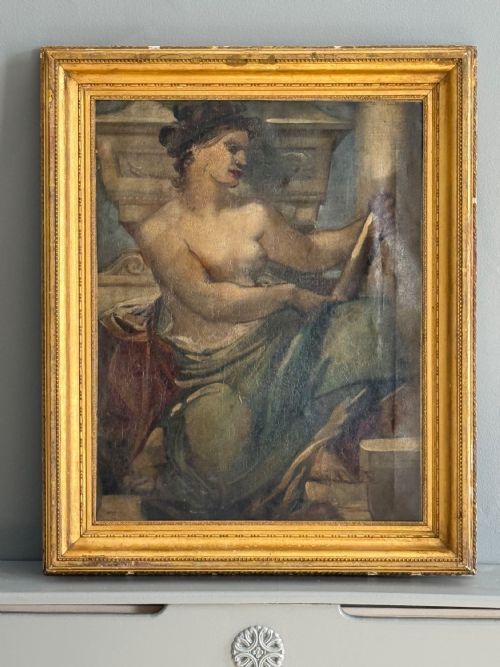
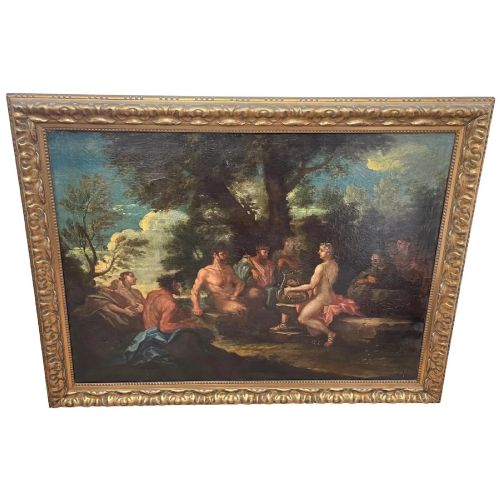
These classical figure oil paintings bring centuries of myth, portraiture and pastoral narrative into a room, prized for their rich palettes and traditional hand-rendered depth.
What they are
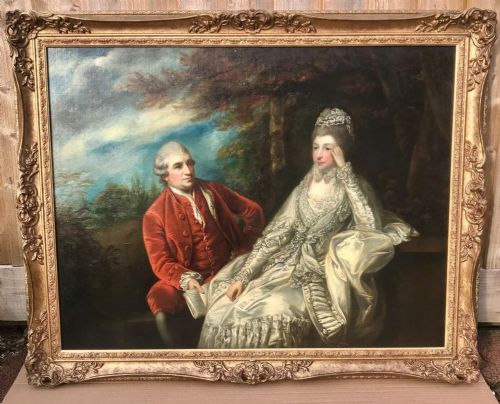
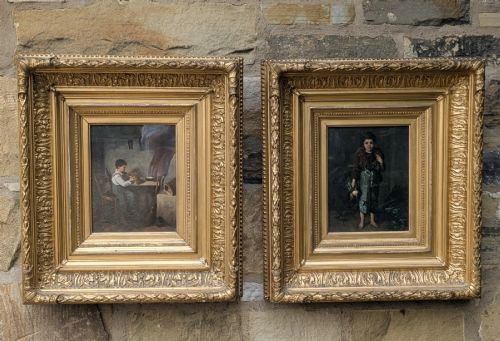
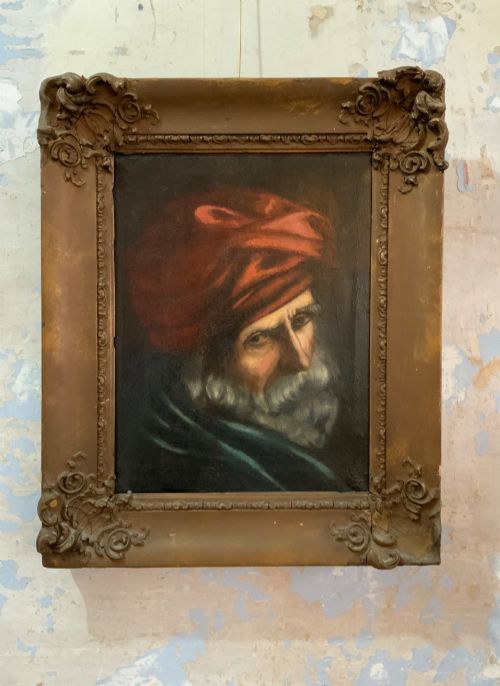
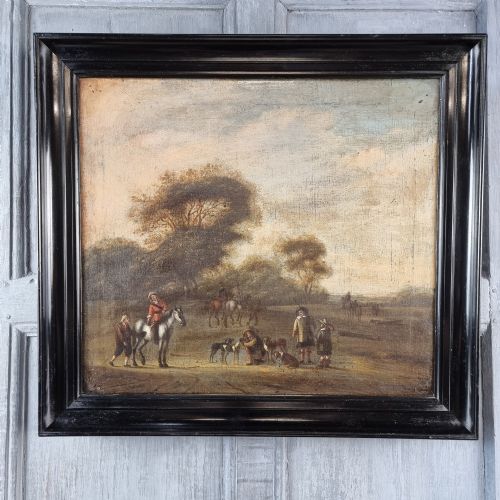
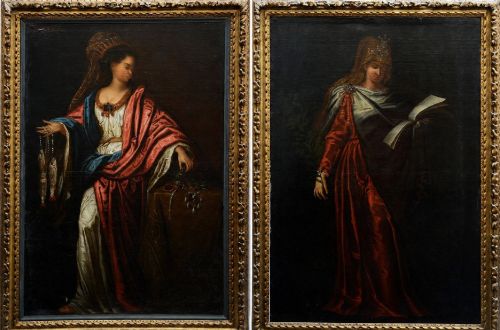
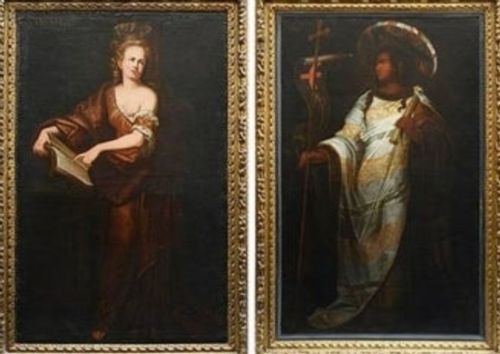
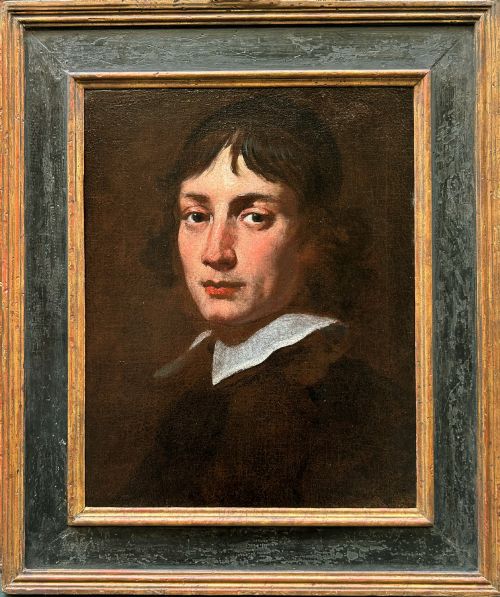
A classical figure oil painting represents subjects drawn from mythology, religious iconography, and academic portraiture executed in oil paint on canvas or wood panels. Buyers seeking these works find compositions spanning the eighteenth and nineteenth centuries, reflecting enduring academic interests in classical antiquity.
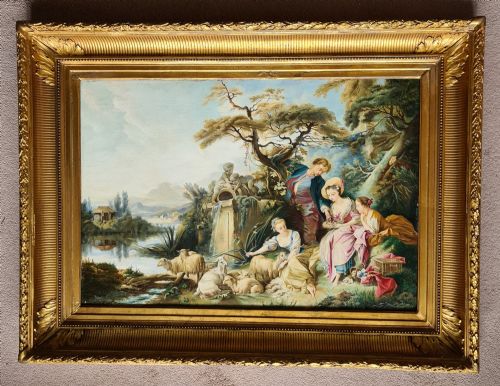
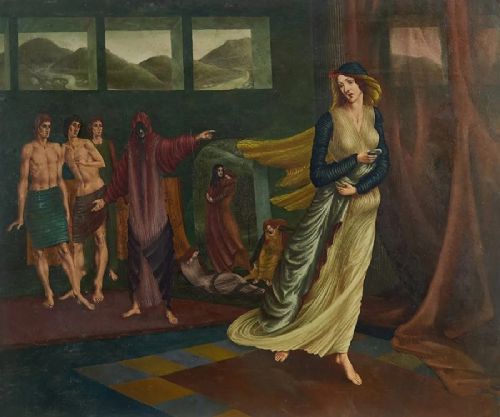
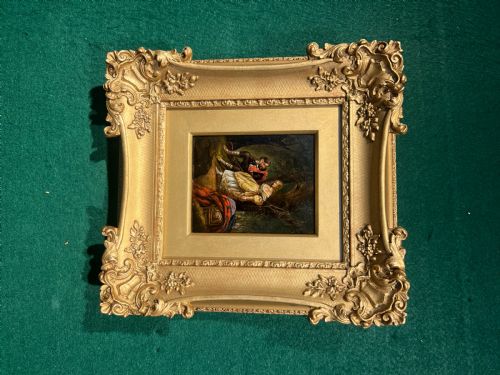
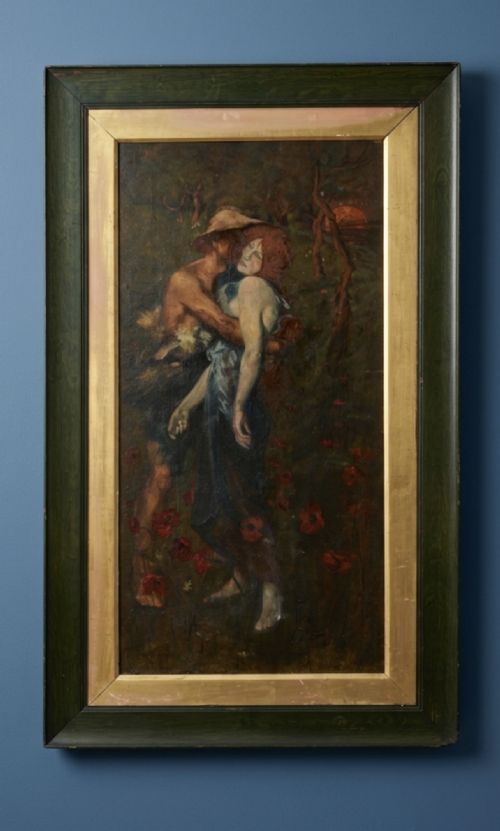
The selections available on this page include Italian School works, French Academic pieces, and Victorian interpretations alongside copies after masters such as Raphael and Watteau. Common formats range from intimate portraits of women by woodland pools to expansive landscapes populated by resting figures amid classical ruins.
Dating ranges from eighteenth-century works to nineteenth-century productions, incorporating specific stylistic revivals like Renaissance Revival and French Rococo. These pieces serve as focal points in period interiors, offering tangible links to historical European fine art traditions.
How they were made
The underlying construction relies on traditional stretched canvas frames paired with heavy wooden framing members, sometimes ornamented with decorative floral borders on panels like Regency Toleware. Pigments were hand-ground and layered to achieve the depth of tone characteristic of academic and Italian School painting methods.
Retail Price Guide 2026
Typical UK retail prices for classical figure oil painting, calculated from the Sellingantiques database of over a million retail prices indexed since 2003. This retail price guide relies exclusively on Sellingantiques data; no external sources or auction records are used, so the figures do not describe the wider market.
Represented styles include French Academic, Renaissance Revival, and Italian School compositions.
What varies in quality
The distinction between standard works and exceptional examples lies in the finesse of brushwork, particularly in the anatomical rendering of classical figures and the atmospheric depth of landscape backgrounds. Paintings executed by named hands or close followers of recognised masters display superior draughtsmanship and compositional balance compared to simpler decorative copies.
Frame integration and material preservation also dictate the standing of a piece, with original giltwood surrounds and stable, unlined canvases commanding greater respect among collectors. The nuance in facial expressions and drapery folds separates routine nineteenth-century academic exercises from works of true artistic ambition.
Thomas Edward Roberts·Paul Viry·Jean Antoine Watteau·Jacob Philipp Hackert·Raffaello Sanzio
The Classical Figure Oil Painting Glossary
- Oil on Canvas
- Pigment mixed with drying oil applied to a woven fabric support stretched across a wooden frame. This combination provides a flexible and durable surface that has sustained European fine art for centuries.
- Giltwood
- Wood carved and covered with a thin layer of gold leaf or metal powder. It forms the ornate frames typical of period fine art presentations.
- Italian School
- A stylistic classification denoting works produced in Italy or closely following Italian artistic methods and traditions. It frequently references Renaissance and classical archetypes.
- French Academic
- Art produced under the influence of the French academies of fine art, adhering to strict standards of composition, historical subject matter, and technical finish. These works prioritize formal grace and narrative clarity.
- Follower of
- An artist working in the style of a master, either during their lifetime or afterwards, without necessarily being a direct pupil. Such works emulate the composition and palette of renowned painters.
Frequently Asked Questions
How do I date a classical figure oil painting?
Dating relies on examining the canvas preparation, stretcher frame construction, and stylistic clues within the clothing and architectural elements of the scene. Pigment analysis and handwritten signatures or dates on the reverse also offer reliable chronological markers.
Comparing the brushwork and subject matter to documented periods like the eighteenth century or the Victorian era helps narrow the timeframe further.
What is the difference between an original and a follower's work?
An original painting is executed entirely by the named artist during their active period, whereas a work by a follower is created by a later or contemporary hand working in that master's established style. Followers often copied famous compositions to meet historical demand for academic subjects.
Both categories hold distinct places in collecting, though direct works by documented painters carry greater art historical weight.
How were these paintings originally displayed?
These works were designed to hang in domestic reception rooms, galleries, and formal halls within heavy giltwood frames intended to complement interior architectural woodwork. They served as markers of classical learning and refined taste for the owners.
The framing was considered an integral part of the presentation, often chosen to enhance the perspective and depth of the painted landscape or portrait.
How should I care for an antique oil painting?
Maintenance requires keeping the piece away from direct sunlight, high humidity, and extreme temperature fluctuations that could cause the canvas to slacken or the oil paint to crack. Dusting should be done gently with a soft, dry brush without applying moisture or cleaning agents.
Professional conservation should be sought for any structural issues with the canvas or losses to the giltwood frame.