


Classical Figure Art Print
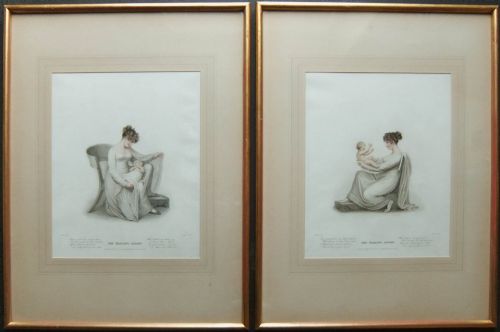
A classical figure art print brings mythological and antique subjects into a room through historic engraving, mezzotint or drawing.
Classical Figure Art Print
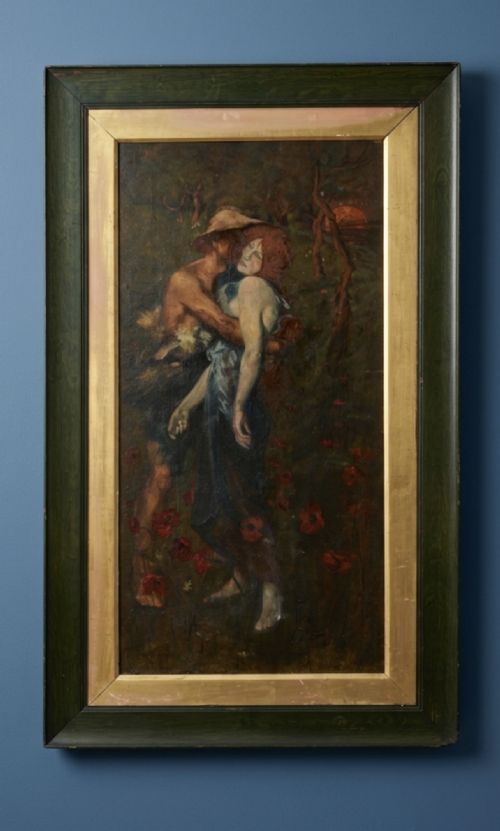
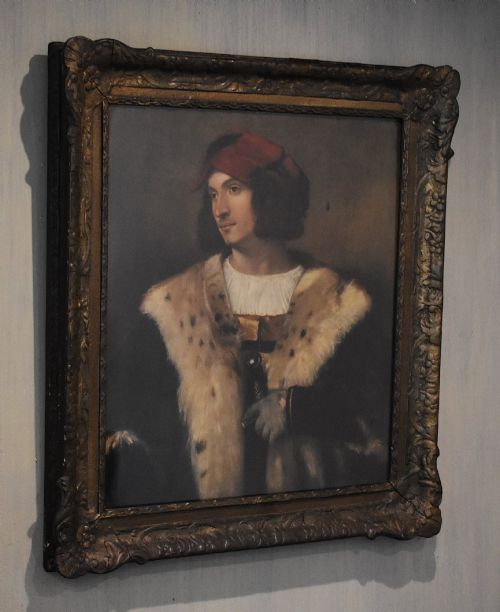
When searching for a classical figure art print, buyers encounter works depicting deities, mythological narratives, and ancient statues set within framed paper compositions. These pieces span the eighteenth and nineteenth centuries, taking the form of engravings, mezzotints, and period prints.
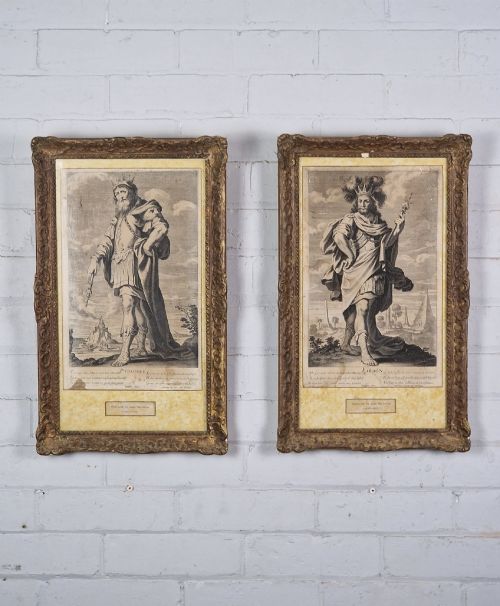
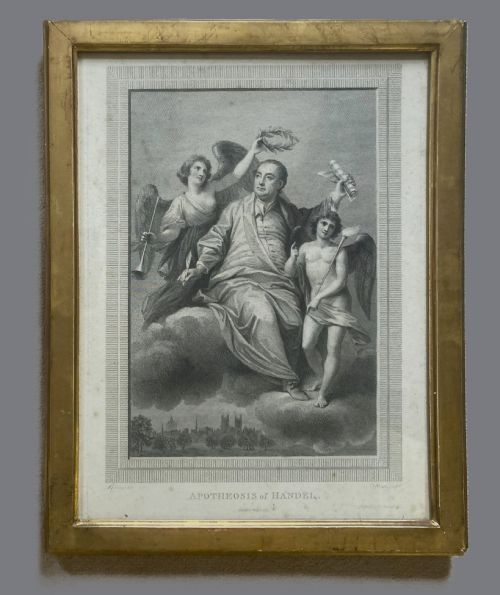
The selection ranges from detailed architectural and sculptural plates, such as those documenting Athenian antiquities, to narrative scenes after renowned painters. Examples include depictions of classical gods, academic life studies, and allegorical subjects framed in wood or gilt.
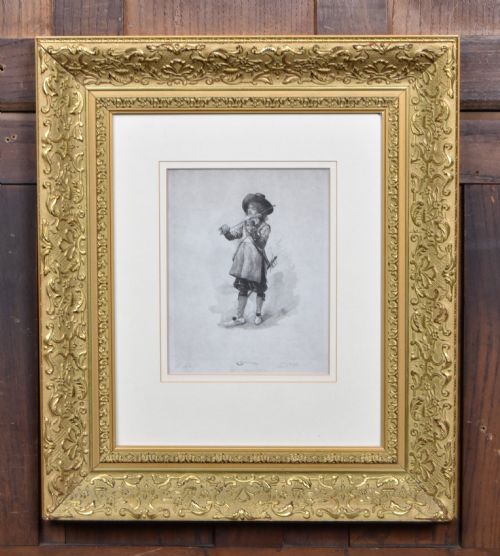
Nineteenth-century editions and twentieth-century reproductions of earlier neoclassical designs appear frequently alongside eighteenth-century plates. These items are commonly mounted behind glass in wood or gilded frames, ready for display.
Materials and techniques
Printmakers utilised paper sheets and copper plates to produce fine ink engravings and mezzotints, often employing skilled hands to press the inked lines. Publishers issued these works individually or in series documenting ancient sculpture and mythological paintings.
Framing materials typically comprise wood and gilded wood, protecting the paper surface behind glass. Some pieces combine ink with gold leaf accents or present hand-coloured etching details.
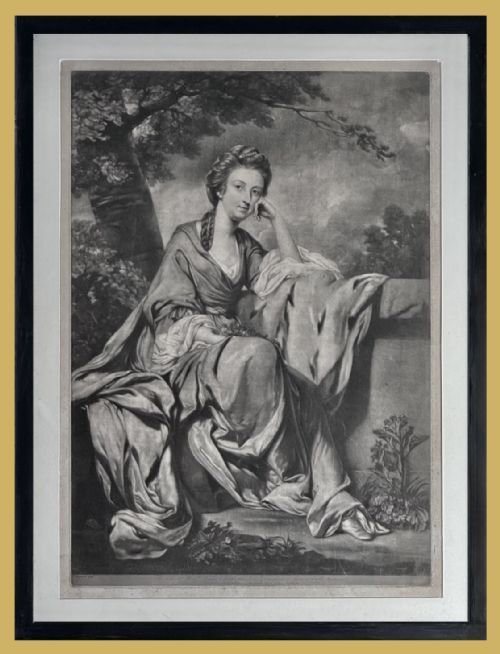
Sir Joshua Reynolds managed to paint portraits of half the British aristocracy while leaving ample room for engravers to immortalise their eyebrows.
Judging quality in prints
The clarity of the ink impression distinguishes finer plates from worn later printings, as copper plates softened over extensive runs. Crisp lines and deep tonal gradations in mezzotints reflect the skill of the original engraver and the condition of the plate during printing.
The originality and preservation of the frame contribute significantly to the piece, particularly where period gilt or wood mouldings match the age of the artwork. Contemporaneous framing preserves the contextual integrity of eighteenth and nineteenth-century works.
Edward Fisher·Sir Joshua Reynolds·Jean Mariette·James Heath·Biaggio Rebecca·Adam Buck·John Flaxman·Simon François Ravenet·Arthur Hacker·James Basire·Edward Rooker
The Classical Figure Art Print Glossary
- Engraving
- A printmaking technique where an artist cuts lines directly into a metal plate with a sharp tool to hold ink. The resulting impressions display remarkable precision and fine detail.
- Mezzotint
- A tonal printmaking method that allows for rich dark backgrounds and subtle gradients of light and shadow. Master printmakers used this process to reproduce oil paintings with photographic fidelity.
- Neoclassical
- An artistic movement drawing inspiration from the art and culture of classical antiquity. Works in this style emphasise proportion, restraint, and mythological themes.
- Grand Tour
- A traditional trip through Europe undertaken by upper-class young men to study classical art and antiquities. Souvenirs from these journeys frequently included prints of Roman and Greek monuments.
- Etching
- A process where acid bites lines into a metal plate covered with a protective ground. This technique allows for fluid, expressive marks resembling freehand drawing.
Classical Figure Art Print: Frequently Asked Questions
What is a classical figure art print?
A classical figure art print is a historic work on paper depicting gods, heroes, or antique statues from Greek and Roman history. These pieces were created using traditional printmaking methods like engraving and mezzotint.
They capture academic studies, archaeological discoveries, and mythological narratives for display in domestic interiors.
How are these prints usually framed?
Most pieces are preserved behind glass within wooden frames, occasionally featuring gilt or gilded wood finishes. Original period frames provide important context regarding the age and display history of the artwork.
Buyers should examine both the paper condition and the mounting materials to ensure proper long-term preservation.
What subjects appear in these works?
Common subjects include mythological figures such as pan, satyrs, and classical deities alongside renderings of ancient Roman and Greek sculpture. Academic life studies and allegorical scenes also feature prominently across the available selection.
Many plates record archaeological finds from sites like Athens and Herculaneum.
How do I date an antique print?
Dating relies on stylistic indicators, paper characteristics, plate marks, and inscriptions naming the original artist and engraver. Eighteenth and nineteenth-century print runs often bear publication dates within the margin text.
Associated framing and watermarks in the paper stock further assist in determining the exact production era.