

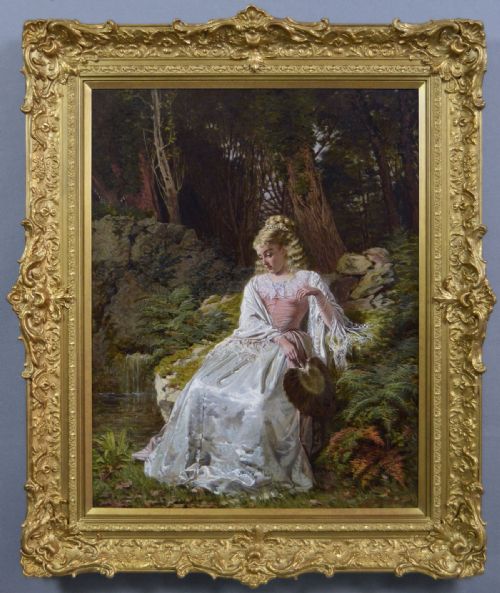


![Pen and Ink Sketch - Female Nudes by William Edward Frost [1810-1877]](https://www.sellingantiques.co.uk/photosnew/dealer_kendallhouse/dealer_kendallhouse_full_1758970795762-8493507346.jpg)


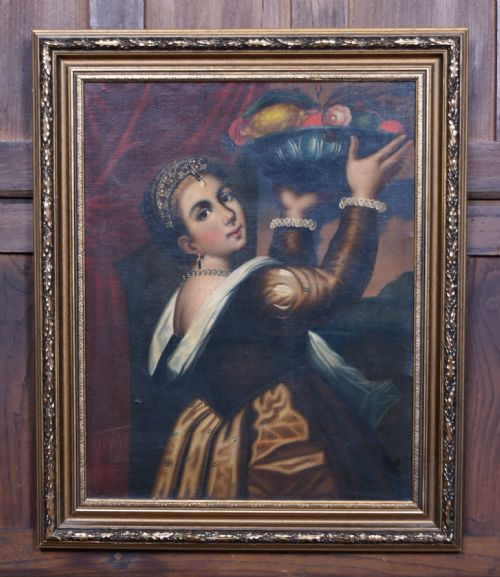
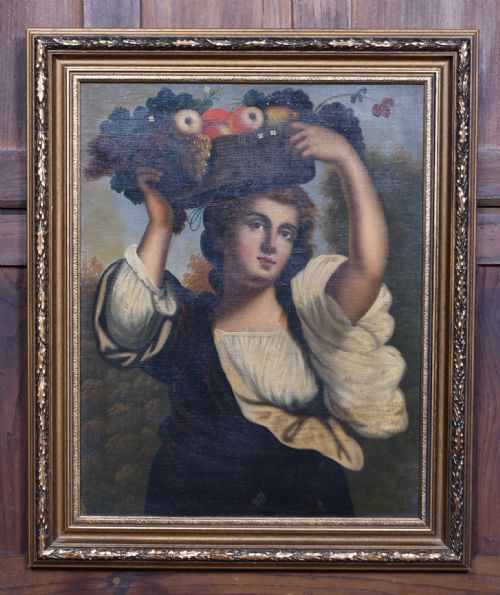

Classical Female Figure Painting
A classical female figure painting brings mythological dignity and historic portraiture into a room through canvas and oil.
Classical Female Figure Painting
A classical female figure painting depicts women through traditional, mythological, or allegorical lenses, drawing upon historical aesthetics from the eighteenth century onwards. These works frequently appear as oil on canvas, alongside watercolours, pastels, and pen and ink sketches created across the nineteenth and early twentieth centuries.
The subjects range from portraits of noblewomen and young ladies to mythological figures such as sibyls, muses, and nereids. Works span stylistic revivals including neoclassical, Renaissance revival, and Edwardian academic realism, often framed in giltwood or gilt wood.
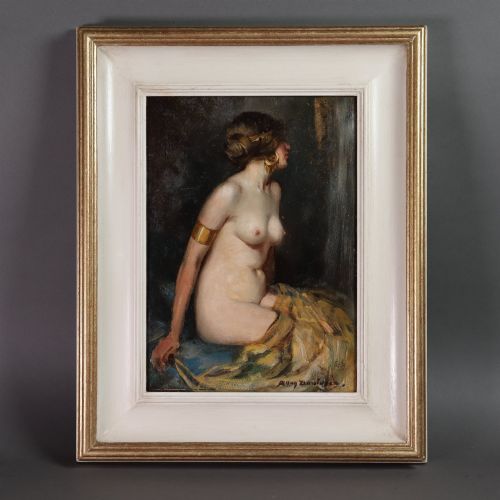
Buyers encounter European school canvases alongside signed works from named artists, depicting seated nudes, readers, and dancers. The selection balances intimate sketches with large scale oil paintings and decorative sculptural lamps.
Materials and techniques
Artists built these works primarily using oil paint applied to canvas or board, layering pigments to achieve depth in drapery and flesh tones. Some pieces utilise pastel, watercolour, or pen and ink on paper, reflecting the draughtsmanship of their respective periods.
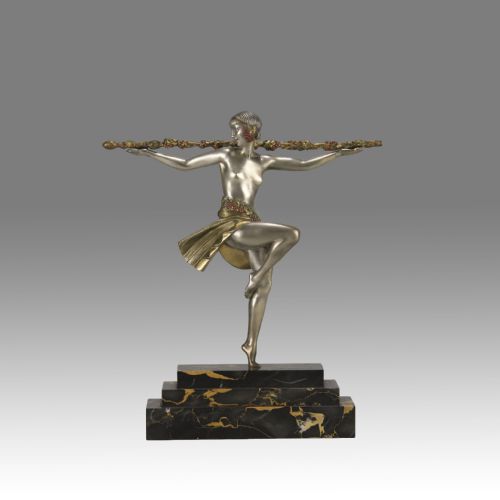
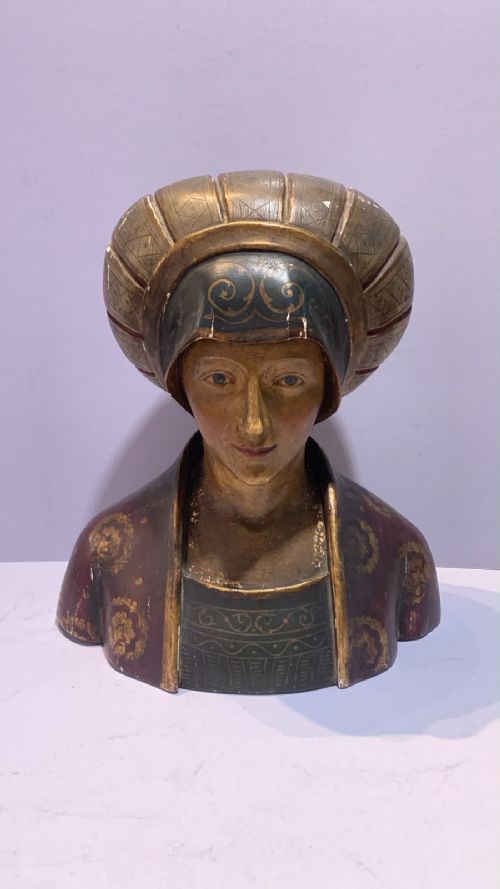
Frames play a structural and aesthetic role, constructed from carved wood finished with gilding to create giltwood surrounds. Three-dimensional representations employ alternative techniques such as cold painted bronze, cast plaster, carved marble, painted spelter, and porcelain moulding.
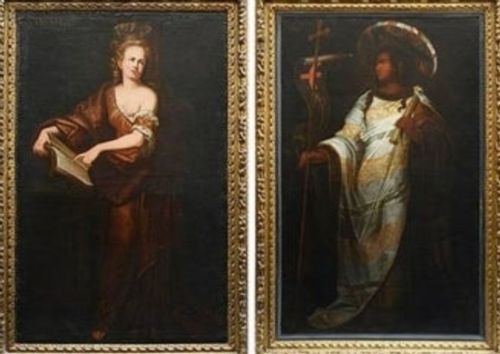
Cumaean sibyls share space with dancing bronze figures and porcelain muses, proving classical ladies enjoy a remarkably varied social life.
Distinguishing quality in the works
The integrity of the medium matters, from the stability of the canvas and pigment preservation to the crispness of detail in cold painted bronze and porcelain figures. Original framing, particularly fire-gilded or carved giltwood surrounds, enhances the overall coherence of a piece.
Pierre le Faguays·Jean-Baptiste Greuze·Allan Douglas Davidson·Thomas Edward Roberts·William Edward Frost·Guiseppe Mazzolini
The Classical Female Figure Painting Glossary
- Sibyl
- An ancient prophetic priestess. These figures appear in eighteenth century compositions symbolising divine wisdom.
- Nereid
- A sea nymph of Greek mythology. They populate classical marine scenes rendered in nineteenth century European oils.
- Giltwood
- Timber carved and coated with gold leaf. It provides ornate framing for many classical canvases.
- Cold painted bronze
- Metal sculpture painted after casting without heat firing. This technique colours decorative figures and lamps.
- Allegorical figurine
- A modelled porcelain or ceramic sculpture representing an abstract idea. Volkstedt examples demonstrate this form.
Classical Female Figure Painting: Frequently Asked Questions
How do I hang a heavy oil painting?
Large canvases require secure wall anchors and mirror plates to distribute weight evenly across the structure. Professional framing brackets prevent strain on the original wooden stretcher bars.
Keep paintings away from direct sunlight and sudden temperature shifts to protect the oil paint and canvas from cracking or warping over time.
What is a Grand Tour bust?
Grand Tour pieces are sculptures or artworks acquired by nineteenth century travellers exploring classical sites in Italy and Europe. They served as scholarly mementos of classical antiquity.
These busts typically replicate famous antique statues in marble, bronze, or plaster, reflecting educated tastes of the period.
Where should I place a bronze lamp?
Cold painted bronze lamps suit stable side tables or desks away from high moisture areas like kitchens or bathrooms. Felt pads protect delicate furniture surfaces from the metal base.
Ensure electrical wiring meets modern safety standards if the lamp is operational, as many antique fittings require professional rewiring.