


Classical Carved Mantel
These pieces for a classical carved mantel bring architectural dignity and period craftsmanship to a room.
Classical Carved Mantel
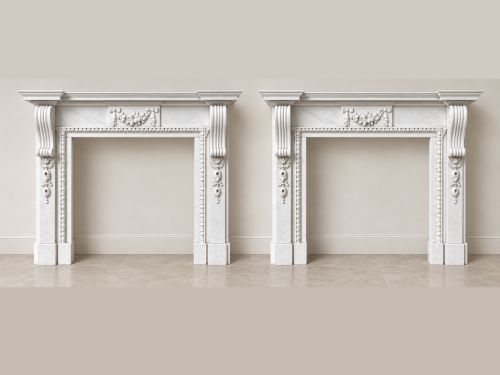
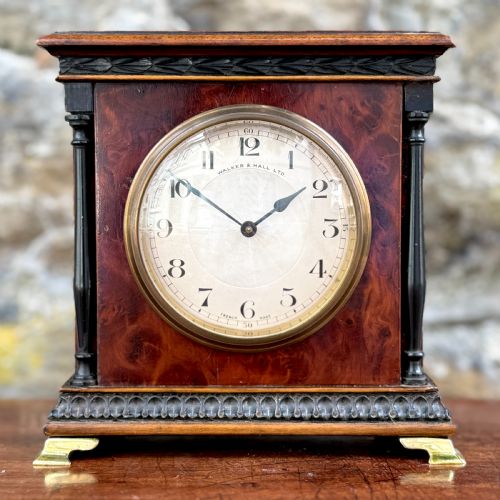
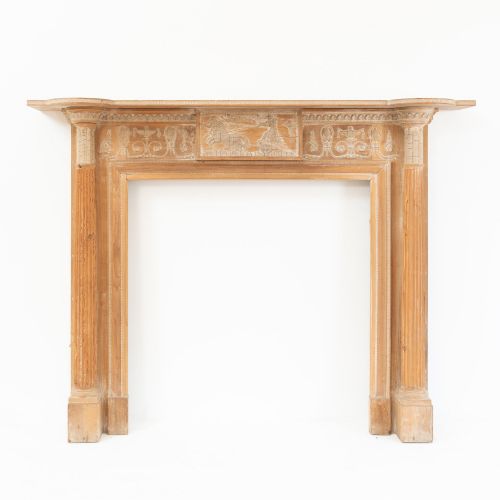
A classical carved mantel encompasses architectural fireplace surrounds in marble, pine, and stone, accompanied by matching overmantel mirrors and clock garnitures. These items ground a room with formal symmetry and traditional ornament derived from classical architecture.
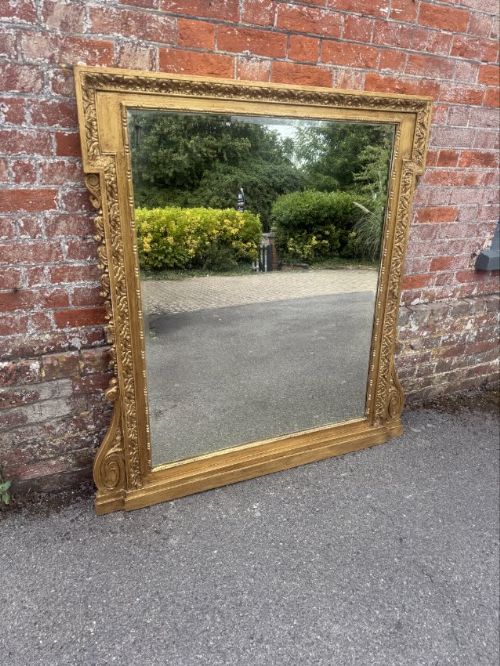
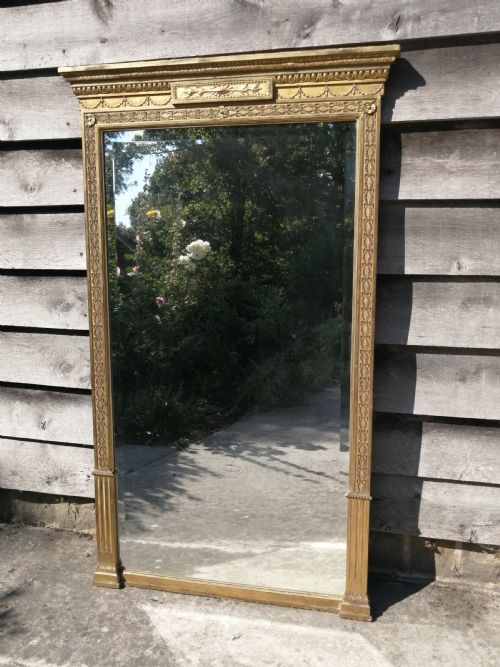
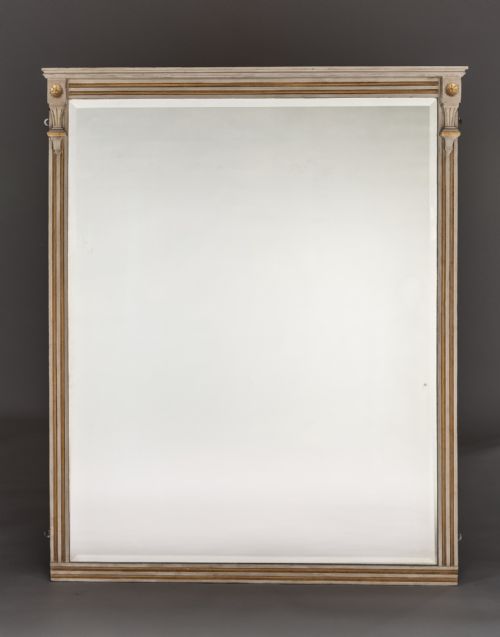
Overmantel mirrors dominate the selection, appearing alongside marble urns, mantel clocks, and architectural fire surrounds spanning the Regency, Victorian, and Edwardian eras. Buyers encounter giltwood frames, painted timber, and carved marble pieces designed to sit harmoniously above a hearth.
Materials and construction
Carved wood and gesso form the foundation for many giltwood and painted overmantel mirrors, allowing intricate ornamental mouldings and cresting details. Artisans applied gold leaf and parcel-gilt finishes over prepared gesso grounds to achieve a reflective, luminous surface.
Solid marbles, including white marble and Breccia Medicea, alongside carved pine and walnut, provide the durable structure for fireplace surrounds and decorative urns. Brass detailing, mirror glass plates, and bronze ewers complete the construction vocabulary of these period objects.
Judging quality and craftsmanship
The crispness of the hand-carved detail in wood, stone, and gesso distinguishes finer pieces from simpler commercial work, particularly around classical motifs like acanthus leaves and columns. Original mirror plates and intact mercury silvering retain a depth that replacement glass misses.
Proportion and structural integrity separate standard items from superior examples, as seen in the balanced scaling of triptych frames and the solid weight of carved marble surrounds. Surface preservation matters greatly, with undisturbed original gilding and paint holding more integrity than heavy modern interventions.
Walker and Hall·Joseph Gott
The Classical Carved Mantel Glossary
- Overmantel mirror
- A large mirror designed specifically to hang on the wall directly above a fireplace mantel. These frames often match the linear width of the fireplace below.
- Gesso
- A plaster-like material applied to wood frames and carved to create raised ornaments before gilding. It accepts fine detail work from sculptor's tools.
- Giltwood
- Timber, typically pine or oak, coated with gold leaf over a prepared base. It provides a bright metallic sheen suited to formal interior settings.
- Pier mirror
- A tall mirror designed to hang on the wall space between two windows. They share stylistic traits with overmantel glasses.
- Composition
- A moulded mixture of whiting, resin, glue, and oil pressed into shape for decorative ornaments. It offered a quicker alternative to hand carving in later periods.
Classical Carved Mantel: Frequently Asked Questions
How do I choose the right size overmantel mirror?
Measure the width of your mantelpiece shelf carefully before selecting a mirror. The frame should generally match or sit slightly within the outer edges of the mantel shelf for visual balance.
Consider the ceiling height as well to ensure the mirror proportions do not overwhelm the fireplace surround.
Are these fireplace surrounds suitable for modern fires?
Antique marble and timber surrounds require careful clearance assessments depending on the heat source you intend to use. Many buyers retain them for decorative aesthetic value or pair them with suitable electric or bioethanol inserts.
Consult a professional installer to verify safety clearances before fitting any historical surround to a working hearth.
What distinguishes Regency style from Victorian pieces?
Regency items tend to feature restrained classical lines, restrained gilding, and architectural elements inspired by ancient Greece and Rome. They often display lighter proportions and crisp geometry.
Victorian pieces frequently exhibit heavier, more ornate carving, exuberant cresting such as putti, and bolder use of painted and parcel-gilt finishes.