




Classical Carved Console
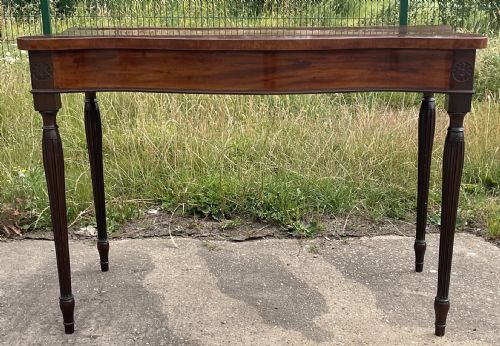
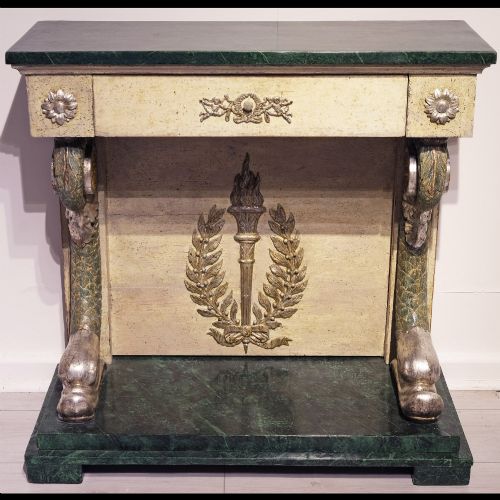
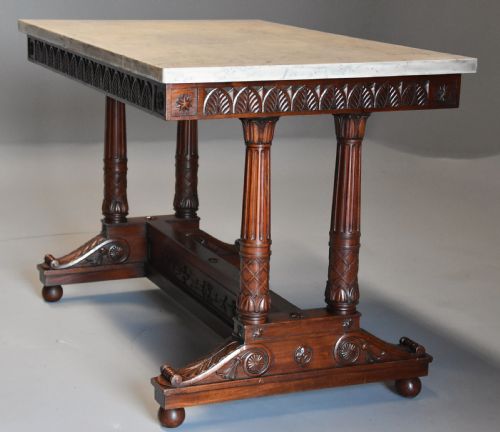
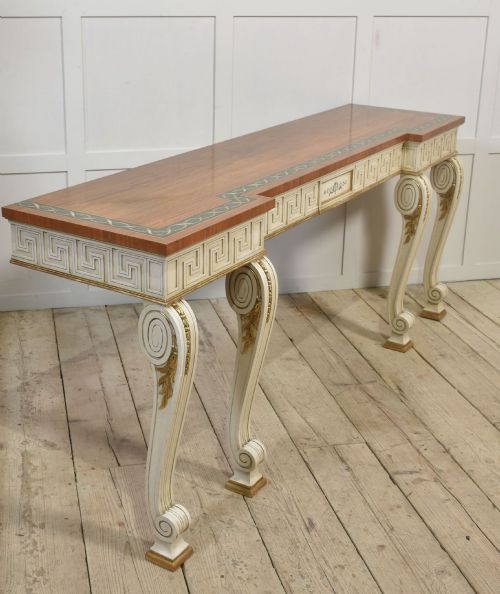
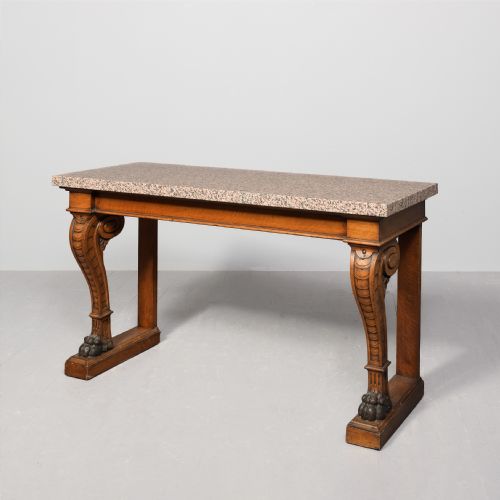
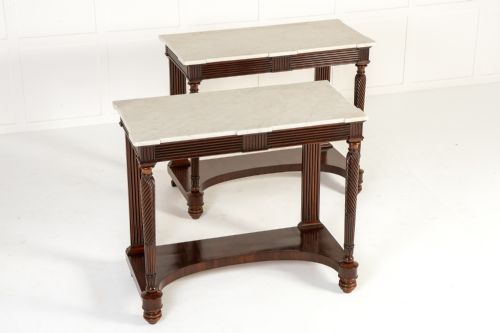
A classical carved console brings architectural poise to a hallway or reception room through substantial marble tops and carved timber frames.
Classical Carved Console
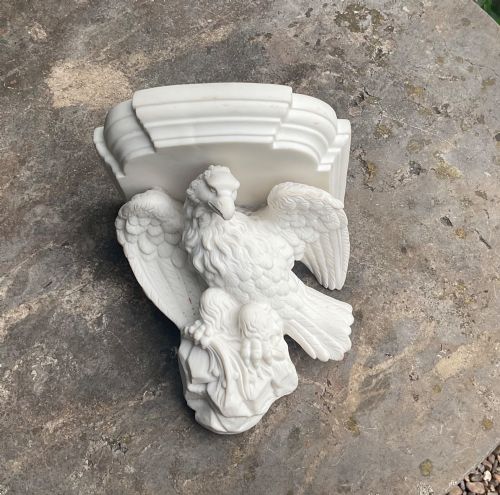
A classical carved console serves as a striking focal point against a wall, frequently paired with a matching pier mirror or topped with heavy stone. When searching this phrase, buyers encounter wall-mounted brackets, serving tables, and pier tables spanning the eighteenth and nineteenth centuries.
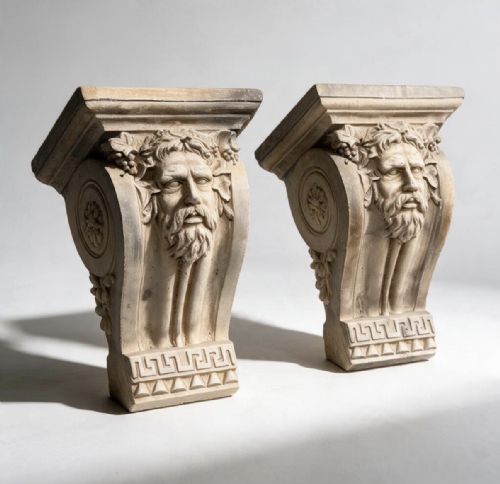
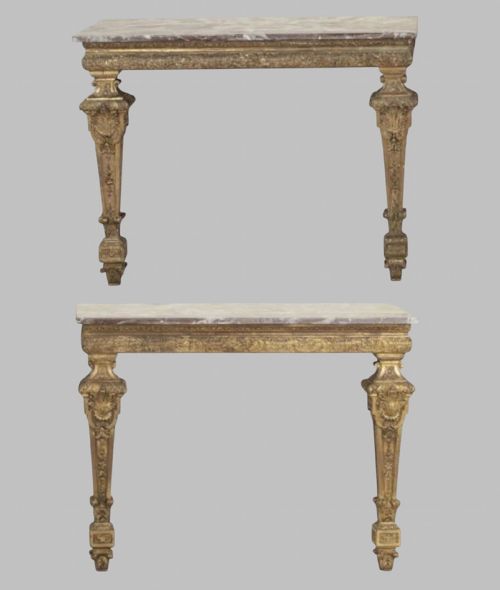
The pieces appearing on this page originate from British, French, Italian, and Swedish workshops, displaying influences from Regency, Neoclassical, and Baroque Revival styles. Mahogany, painted pine, and giltwood form the structural foundation of these tables.
Most examples rely on heavy stone surfaces, particularly marble and granite, supported by carved wood bases featuring motifs like dolphins, rams' heads, and classical columns.
Materials and construction
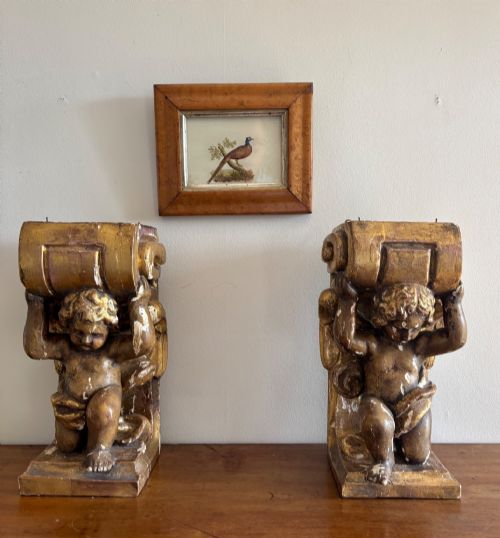
Craftsmen shaped these consoles from solid hardwoods such as mahogany and oak, alongside softer timbers like pine that received painted or gilded finishes. Giltwood and gesso application required meticulous layering of gold leaf over prepared wooden carcases to achieve a brilliant metallic sheen.
Tops were frequently formed from heavy slabs of Siena marble, granite, or faux porphyry, fitted precisely to the wooden framework. Hand carving defined the ornamentation, utilising sharp chisels to render intricate details like acanthus leaves, fluted legs, and figurative brackets.
Classical Carved Console Retail Price Guide 2026
Typical asking prices for classical carved console among the pieces listed under this phrase on Sellingantiques today, from the lower quarter to the upper quarter. They describe what is for sale here now, not the wider market.
This selection spans the eighteenth and nineteenth centuries, featuring mahogany, giltwood, and painted finishes alongside heavy marble and granite tops.
Judging quality and execution
Superior examples reveal themselves through the crispness of the hand carving and the depth of the gilding, where layers of gold leaf catch the light without obscuring the timber underneath. Finer consoles utilise dense marbles and select Cuban or Honduras mahogany with rich grain patterns.
The architectural proportions and the integration between the heavy stone top and the supporting base dictate the overall success of the piece. Rigorous attention to structural joinery ensures that wall-fixed consoles and heavy centre tables remain stable under weight.
Alexander McKenzie of Glasgow·Mack Williams and Gibton
The Classical Carved Console Glossary
- Giltwood
- Wood that has been coated with a thin layer of gold leaf over a prepared base. This finish creates a luminous metallic surface popular in Neoclassical and Baroque furniture.
- Gesso
- A plaster mixture applied to wood surfaces as a smooth base for gilding or painting. It allows craftsmen to model sharp relief details before applying gold leaf.
- Console table
- A table designed to stand against a wall, traditionally supported by wall brackets or console legs. These pieces often feature elaborate ornamentation on the front and sides.
- Pier glass
- A tall mirror designed to hang on the pier wall between two windows, frequently positioned directly above a console table. It reflects light and completes the architectural scheme.
- Faux porphyry
- A painted decorative finish that imitates the deep purple-red igneous rock prized in antiquity. Artisans applied this technique to wood surfaces to mimic costly stone.
Classical Carved Console: Frequently Asked Questions
How do I style a classical console?
Place the console against a prominent wall in a hallway or reception room, anchoring it with a large mirror or a pair of wall brackets above.
Keep the surface balanced with a few well-chosen objects like bronze figures or ceramic bowls, allowing the carved wood and stone top to remain visible.
Were these tables attached to walls?
Many console tables and wall brackets were designed to be secured directly to the wall for stability, particularly those with only two front legs.
Heavier marble-topped variants relied on their own mass, but checking the rear frame for original fixing brackets helps determine the intended placement.
How do I care for a marble top?
Wipe marble surfaces with a soft, damp cloth and avoid acidic cleaners that can etch the polished stone.
Use coasters beneath glasses and place felt pads under decorative items to protect both the marble and the underlying wooden framework.
What defines the Neoclassical style?
Neoclassical design draws inspiration from the classical architecture of ancient Greece and Rome, featuring straight lines, symmetry, and restrained ornamentation.
Look for motifs such as fluted columns, laurel wreaths, and tapered legs that distinguish this aesthetic from more ornate Baroque pieces.