


Classical Carved Busts
Classical carved busts bring ancient dignity into domestic spaces through enduring portraits in stone and marble.
Classical Carved Busts
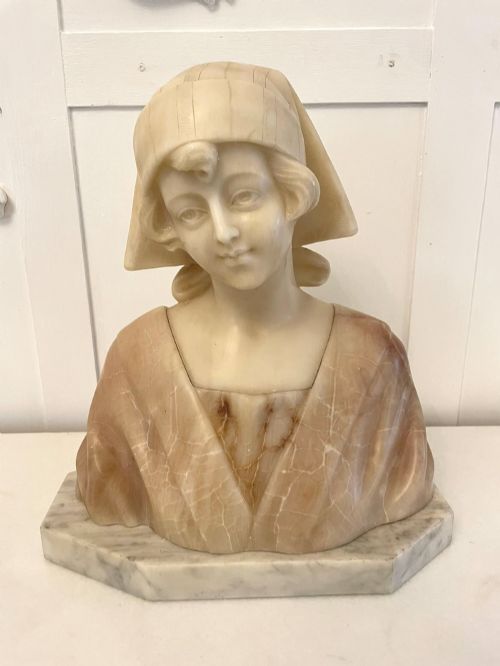
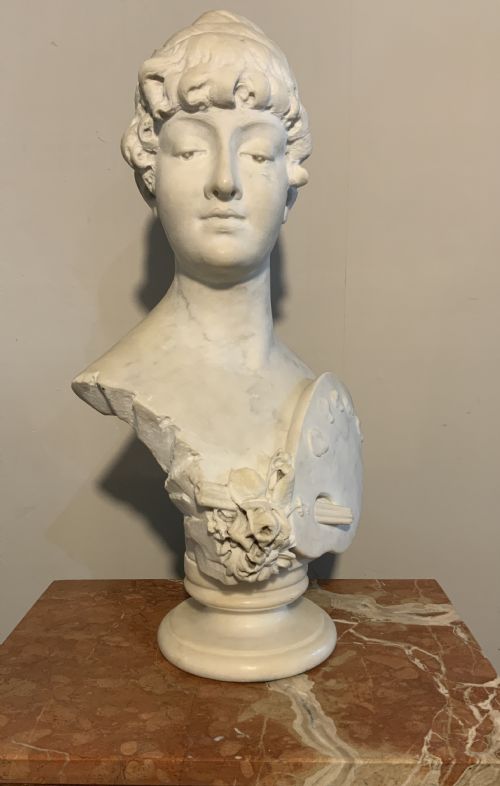
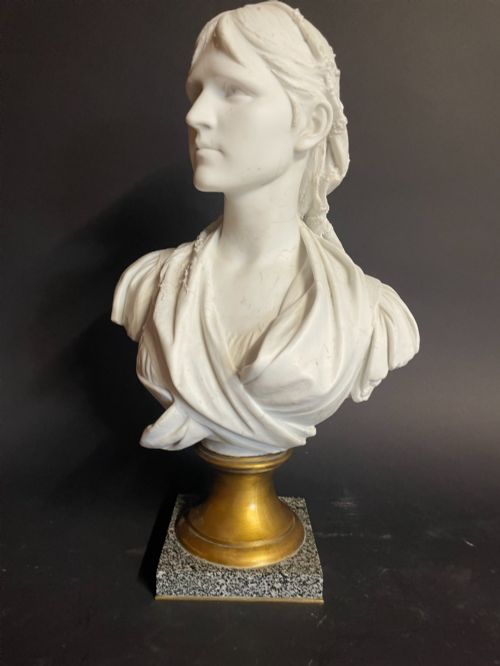
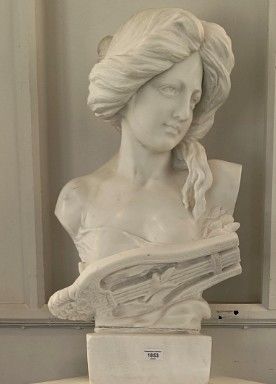
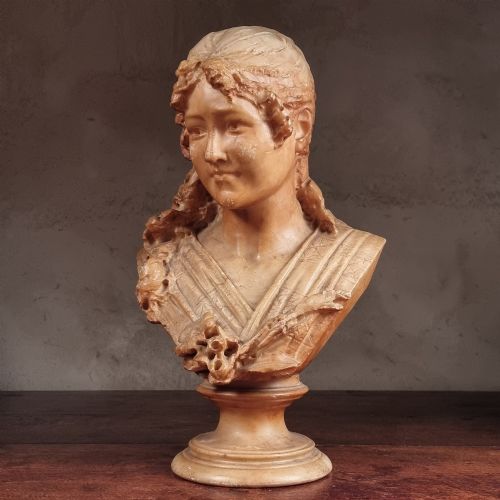
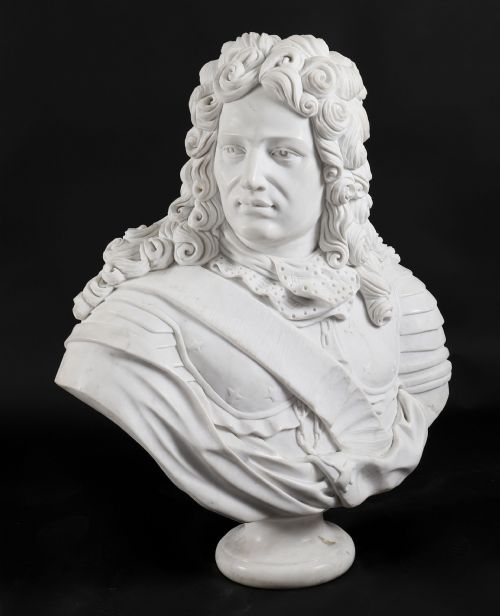
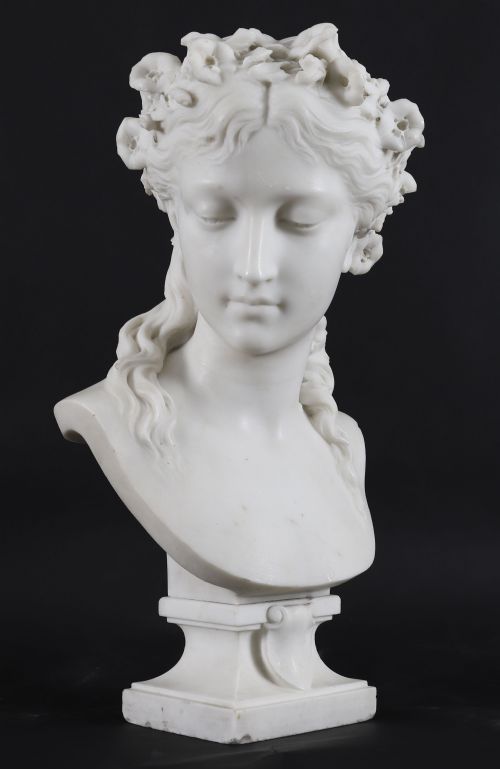
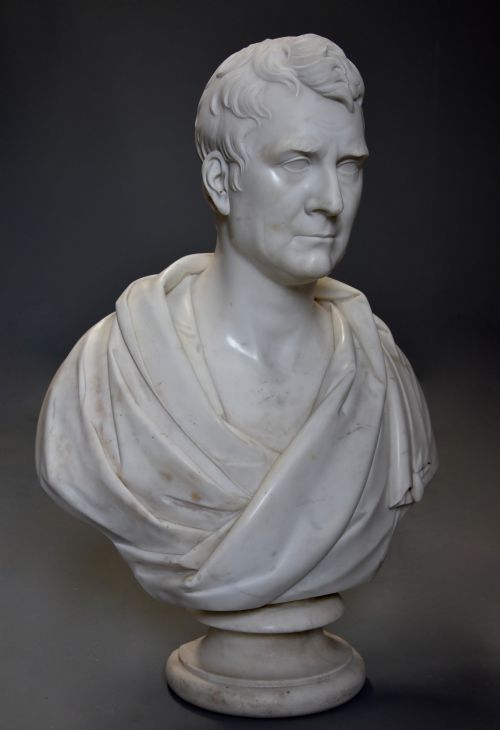
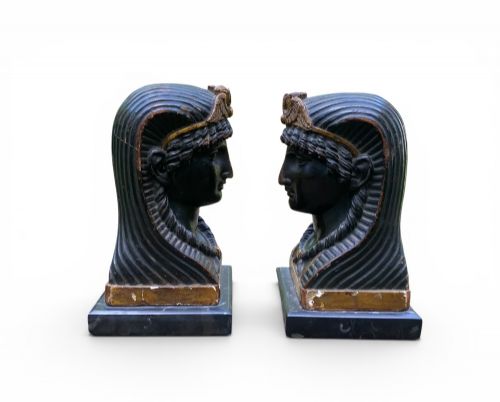
Classical carved busts capture historical figures, mythological subjects, and anonymous nobility in three dimensions. These pieces emerge predominantly from the eighteenth and nineteenth centuries, often reflecting the classical revival and Grand Tour influences.
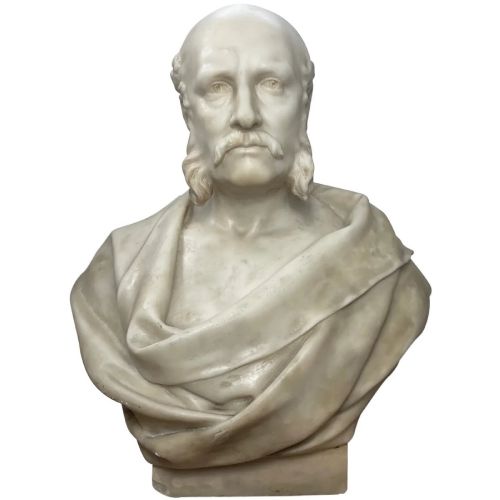
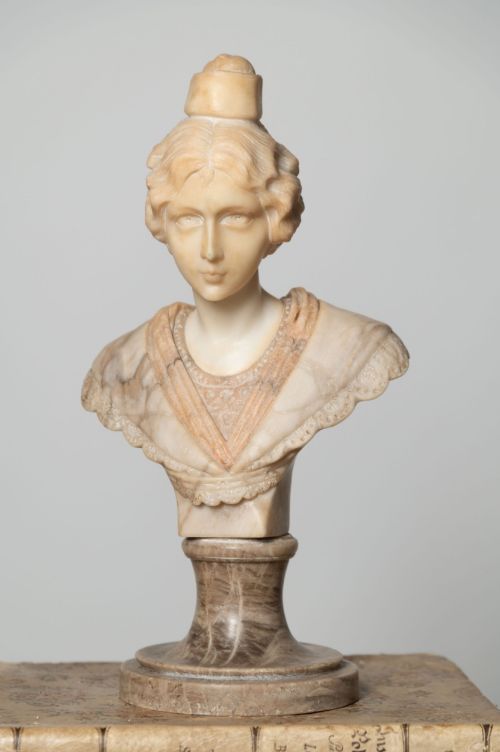
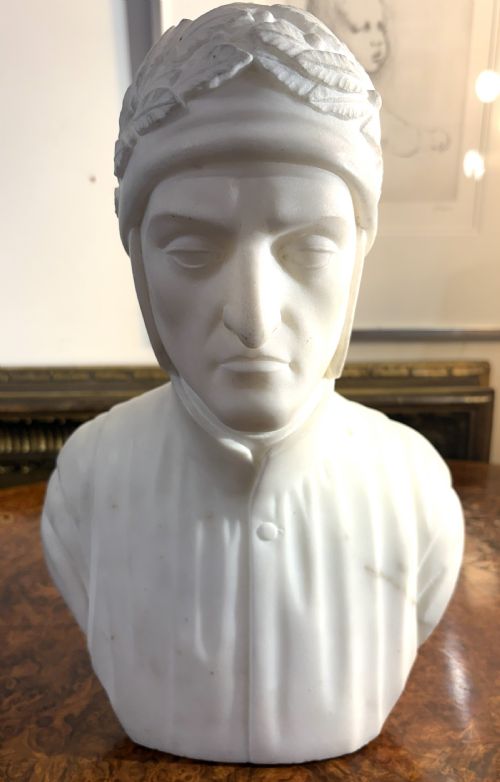
Most examples found here utilise white marble, Carrara marble, or alabaster, shaped into portraits of ladies, noblemen, and literary figures. Forms range from monumental library pieces to wall plaques and statues paired with pedestals.
How they were made
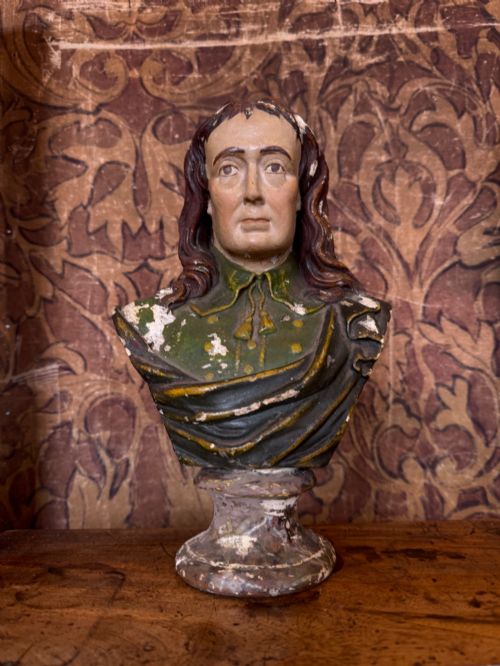
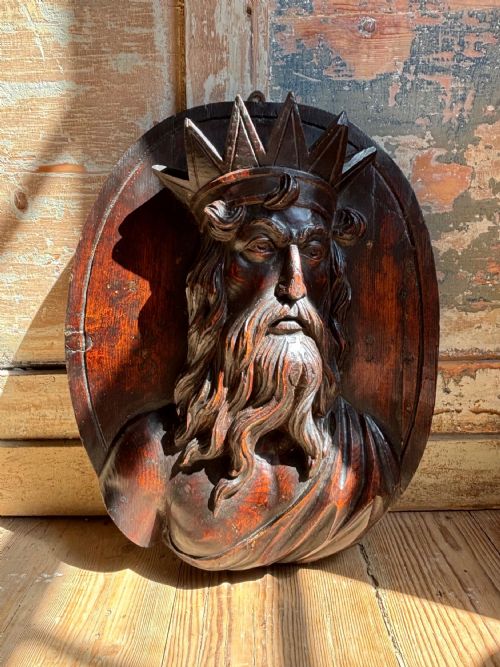
Sculptors shaped these pieces using hard stones, primarily Carrara marble, white marble, and alabaster, alongside occasional carved wood and brass elements. Masons applied chisels, gouges, and abrasives to release portraits from solid blocks.
Detailing relied upon hand-polishing and fine incision, particularly for hair, drapery, and facial expressions. Bases and pedestals often integrated contrasting materials like Vert de Mer marble to support the main sculpture.
Classical Carved Busts Retail Price Guide 2026
Typical asking prices for classical carved busts among the pieces listed under this phrase on Sellingantiques today, from the lower quarter to the upper quarter. They describe what is for sale here now, not the wider market.
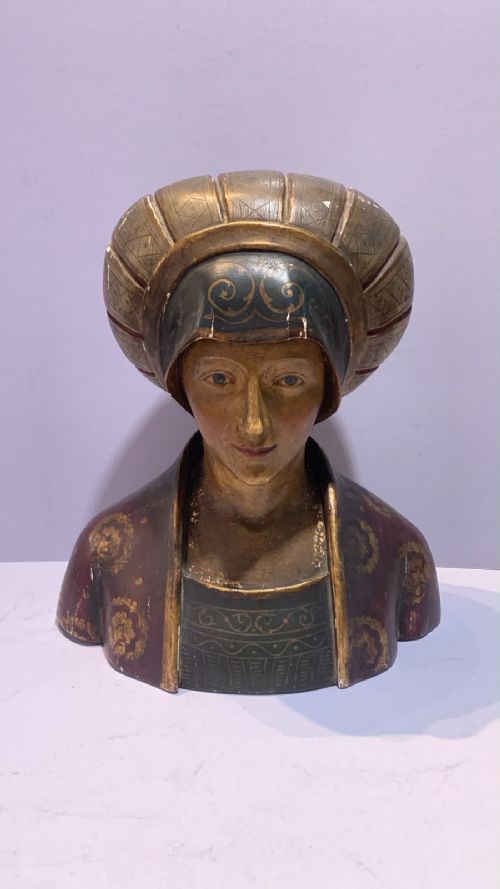
Listings feature works in white marble, Carrara marble, alabaster, stone, wood, and brass, spanning the seventeenth to twentieth centuries.
What varies in quality
Quality rests upon the natural fluidity of the carving and the precision given to anatomical details like hands, eyes, and hair. Master carvers achieved realistic tension in muscles and softness in fabric, whereas lesser works remain stiff and blockish.
The choice of stone heavily influences the finished presence, with pure Carrara marble and fine alabaster yielding superior translucency. Inscribed signatures and documented makers elevate specific sculptures above anonymous studio output.
Eugene Aizelin·J Francis·John Wenlock Rollins·Mieczyslaw Leon Zawiejski·R. Mattei
The Classical Carved Busts Glossary
- Carrara marble
- A fine-grained white marble quarried in Italy, favoured by sculptors for its purity and subtle translucency. This material defines the surface of many nineteenth-century portraits.
- Grand Tour
- A cultural journey undertaken by wealthy young Europeans to view classical antiquities abroad. Travellers often brought smaller marble and alabaster sculptures home as souvenirs.
- Alabaster
- A soft, fine-grained stone that allows for delicate carving and a warm, glowing finish. It appears frequently in nineteenth-century domestic portraiture.
- Neoclassical
- An artistic movement drawing inspiration from the classical art and culture of ancient Greece and Rome. This style informs the drapery and subjects of many listed busts.
- Scagliola
- A composite substance made from selenite, glue, and pigments, mimicking marble and other stones. It appears on pedestals supporting sculptural works.
Classical Carved Busts: Frequently Asked Questions
Where were classical carved busts displayed?
These sculptures typically stood in libraries, hallways, and drawing rooms of grand houses. Owners placed them on specialised pedestals, brackets, or heavy furniture to display learning and taste.
During the nineteenth century, smaller Grand Tour pieces decorated smaller domestic studies and cabinets. Their placement signaled an appreciation for classical history and literature.
How do I care for a marble bust?
Maintenance requires only a soft, dry cloth to remove dust from crevices and carved hair. Water and chemical cleaners can damage porous surfaces, particularly on alabaster and softer stones.
Keep these sculptures away from direct heat sources and sudden temperature shifts. Professional handling remains essential if a heavy piece requires relocation.
What subjects do these sculptures show?
Subjects range from ancient deities and mythological figures like Diana and Zeus to historical figures such as Dante Alighieri and Julius Caesar. Many pieces also depict nineteenth-century statesmen, noblemen, and anonymous sitters.
Commissions often recorded family members or political figures of the period. Literary characters and classical heroines also proved popular among Victorian collectors.