

Classical Candle Sconces
Classical candle sconces bring architectural order and warm illumination to interiors through balanced proportions and cast metal mounts.
Classical Candle Sconces
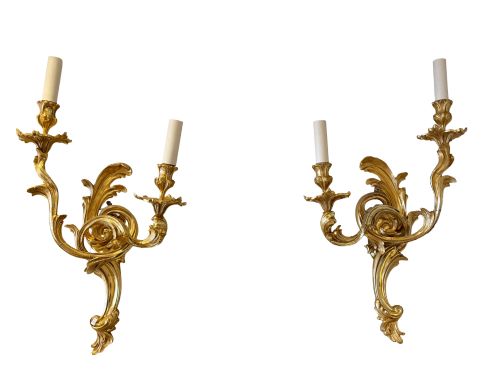
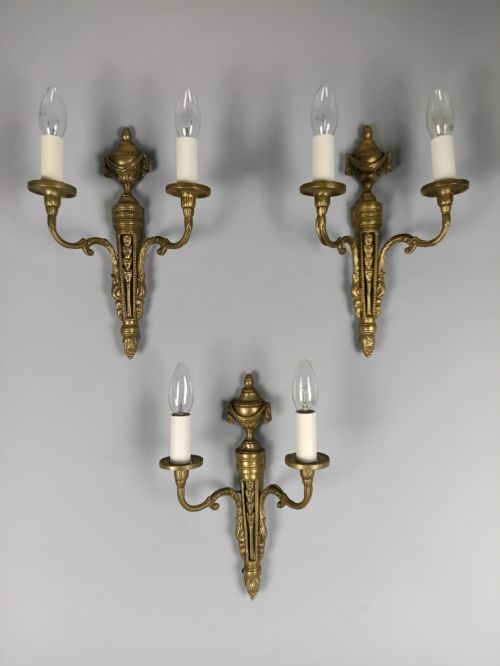
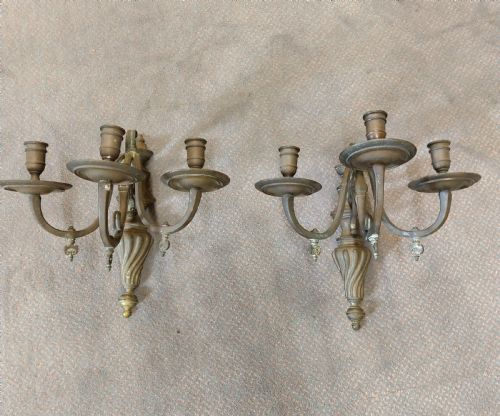
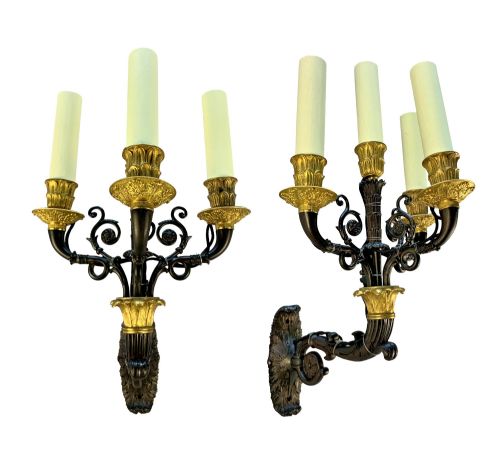
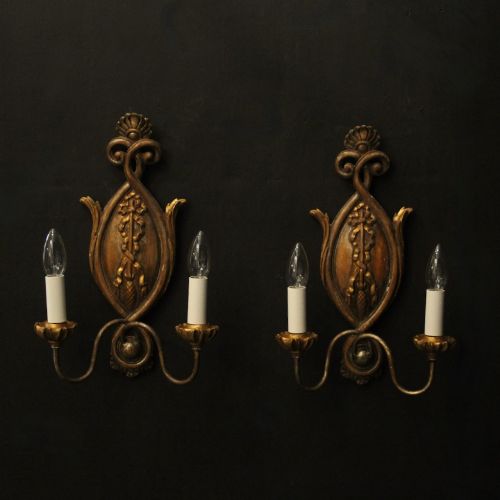
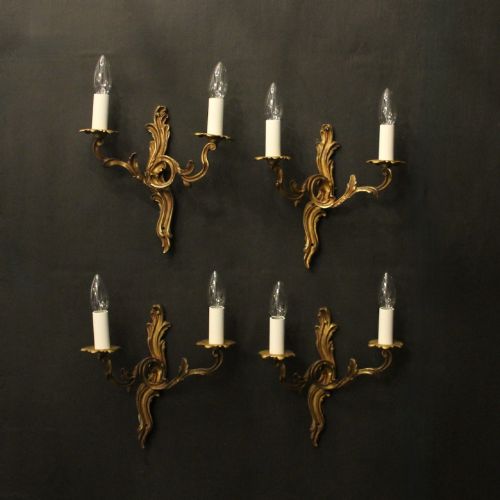
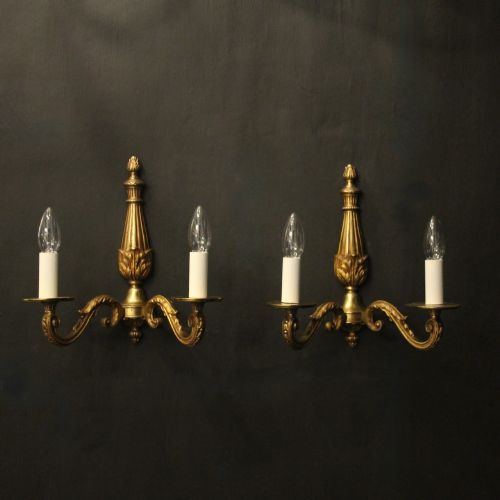
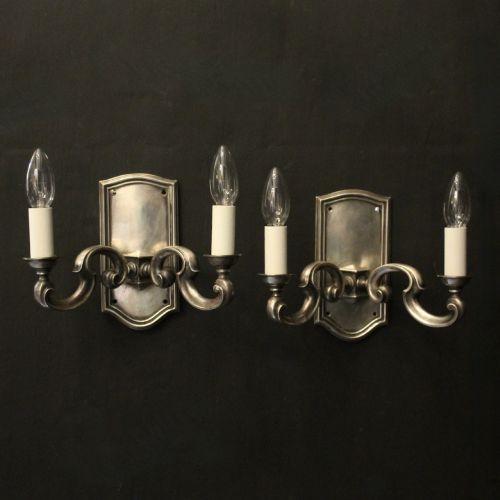
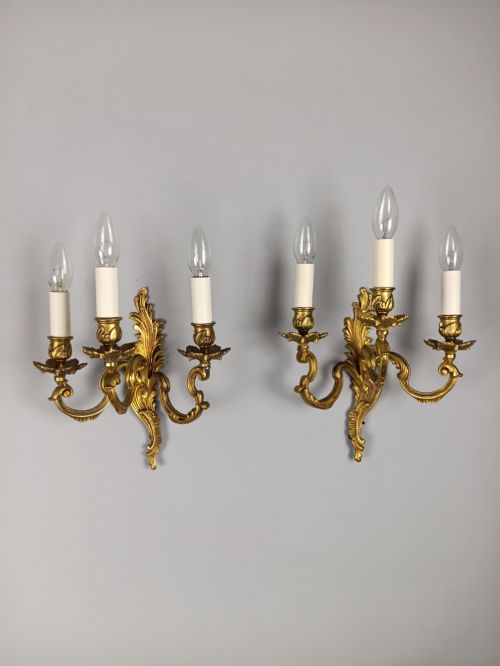
When searching for classical candle sconces, a buyer examines wall-mounted lighting fixtures designed to hold multiple candles, frequently taking the form of twin-arm or triple-arm brass and bronze appliques. These pieces span periods from the nineteenth century into the early twentieth century, reflecting enduring neoclassical, Regency, and French design traditions.
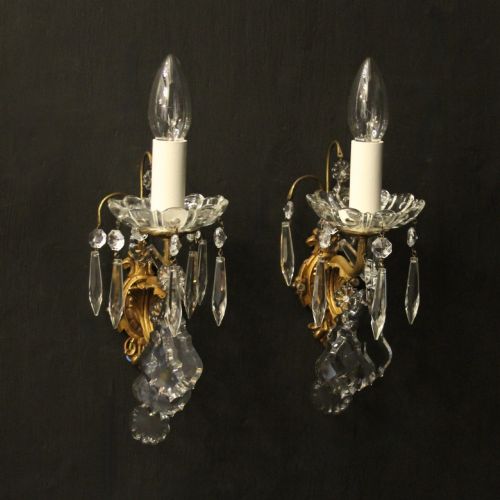
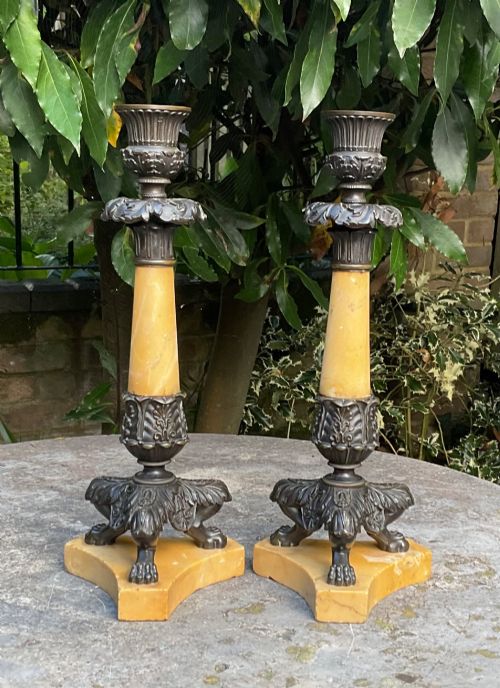
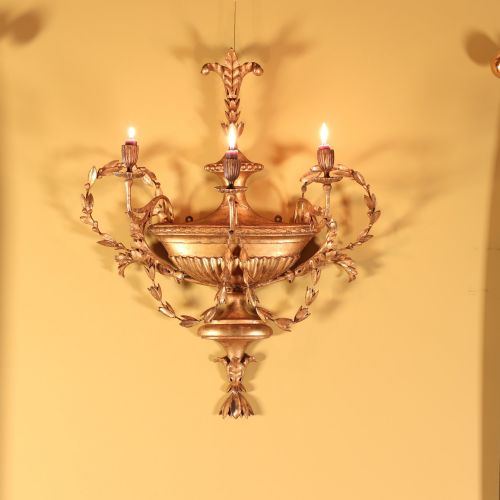
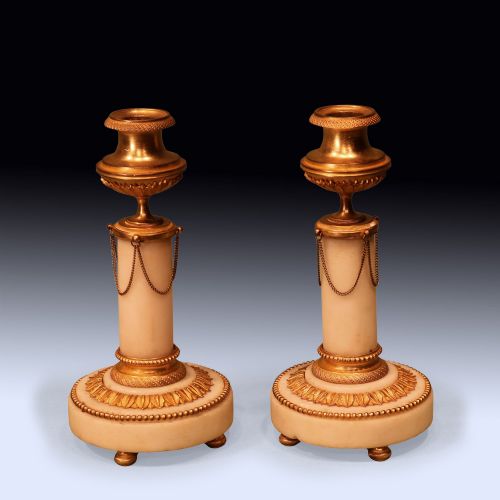
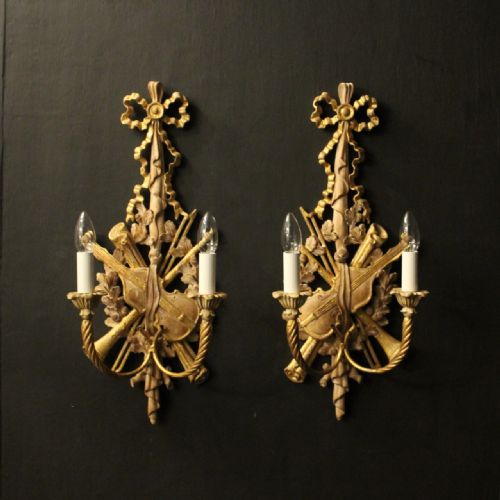
The most common configurations encountered on this page are matched pairs of French and English wall lights, alongside related candlesticks adapted for similar decorative schemes. Materials range from gilt bronze and ormolu to marble and carved wood, demonstrating how makers applied classical vocabulary to domestic interiors.
Materials and construction methods
The construction relies heavily on cast metals, specifically brass, bronze, and gilt bronze, often finished with fire-gilding known as ormolu to achieve a bright golden surface. Founders poured molten metal into intricate moulds to create scroll arms, backplates, and figural details like caryatids and ram's head masks.
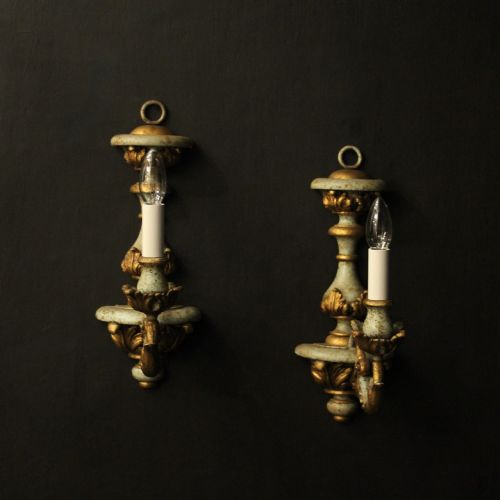
Combinations of materials are frequent, pairing cast metal components with white marble bases, onyx columns, or carved giltwood. Assembly typically involves threaded rods and screws to secure the arms and drip pans to the main backplate.
Classical Candle Sconces Retail Price Guide 2026
Typical asking prices for classical candle sconces among the pieces listed under this phrase on Sellingantiques today, from the lower quarter to the upper quarter. They describe what is for sale here now, not the wider market.
Several pieces feature watchful bronze puttis and ram's head masks staring down from the walls.
Distinctions in craftsmanship
The integrity of the gilding further separates grades of work, with retained fire-gilding displaying a rich, warm lustre compared to flat modern plating. Additionally, the harmony of proportion between the backplate and the extending arms dictates the visual balance of the fixture on the wall.
The Classical Candle Sconces Glossary
- Ormolu
- A technique of applying finely ground high-carat gold amalgam to bronze, then fired to drive off the mercury and leave a durable golden layer. This finish defines many high-status French pieces from the eighteenth and nineteenth centuries.
- Caryatid
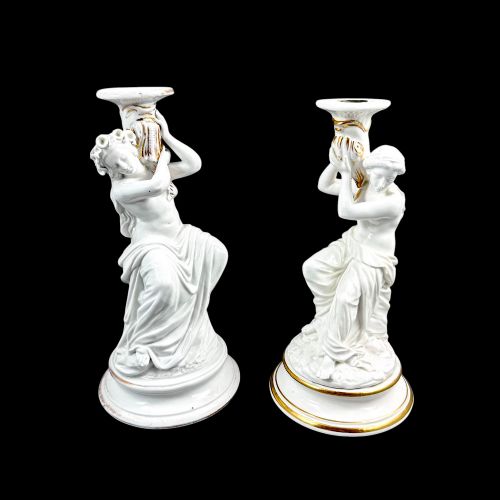
- A sculpted female figure serving as an architectural support instead of a column or pilaster. These figures frequently appear supporting candle nozzles or forming the shafts of candlesticks.
- Applique
- A French term for a wall-mounted light fixture designed to hold candles or electric bulbs. It functions as both a decorative wall ornament and a light source.
- Neoclassical
- A style spanning the eighteenth and nineteenth centuries that draws inspiration from the classical art and architecture of ancient Greece and Rome. Characteristics include symmetry, strict proportions, and motifs such as urns, husks, and acanthus leaves.
- Regency
- An English stylistic period covering the early nineteenth century defined by archaeological revival themes and bold use of patinated bronze alongside gilt metal. Pieces from this era often incorporate classical armour, sphinxes, and zodiac symbols.
Classical Candle Sconces: Frequently Asked Questions
How do I mount antique wall sconces safely?
Antique wall sconces require sturdy fixing directly into wall studs or through appropriate masonry anchors due to the heavy weight of cast bronze and marble components. A professional electrician should assess the backplates to ensure secure mechanical mounting.
Many of these fixtures have been adapted for electricity over the years, so internal wiring must be inspected to meet current safety standards before installation. Proper clearance from surrounding wall coverings prevents heat damage from the bulbs.
Can these sconces be converted back to candles?
Most wall sconces originally held candles before receiving later electrical conversions involving dummy candles and internal wiring tubes. Reverting them to wax candles often involves removing the electrical lamp holders and restoring the original drip pans.
Buyers should examine the nozzle interiors to determine whether drilling or permanent alterations occurred during the electrification process. Maintaining the original configuration preserves the historical fabric of the piece.
How should I clean gilt bronze and ormolu?
Gilt bronze and ormolu require gentle dusting with a soft, dry brush to prevent accumulation of grit in recessed chasing work. Water and chemical cleaning agents can strip fragile finishes or cause corrosion on exposed base metals.
If deeper cleaning is necessary, a damp cloth with mild soap followed by immediate drying is standard practice among conservators. Professional restoration avoids abrasive polishes that wear away thin gold layers.
How do I distinguish Regency from Edwardian reproductions?
Regency pieces exhibit the hand-finished chasing, heavy cast bronze construction, and patination characteristic of the early nineteenth century. Wear patterns around screw threads and mounting points typically show genuine age.
Edwardian reproductions and adaptations often utilise lighter brass pressings, standardised screw threads, and brighter, more uniform surface treatments. Comparing the weight and construction methods helps clarify the actual period of manufacture.