

Vintage Twin Light Appliques
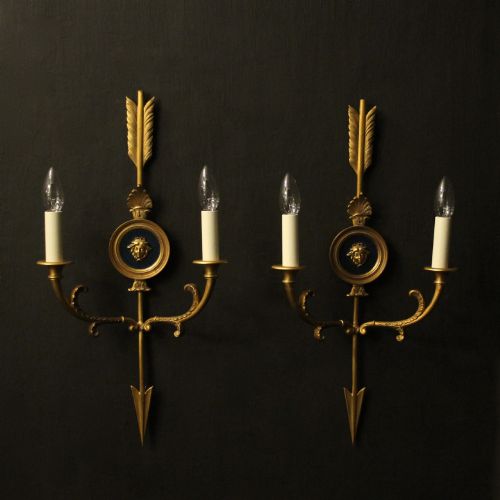
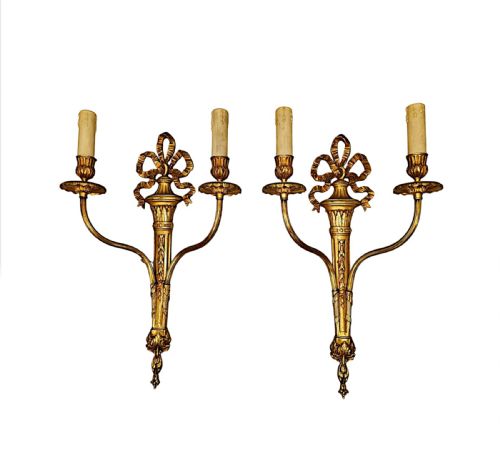
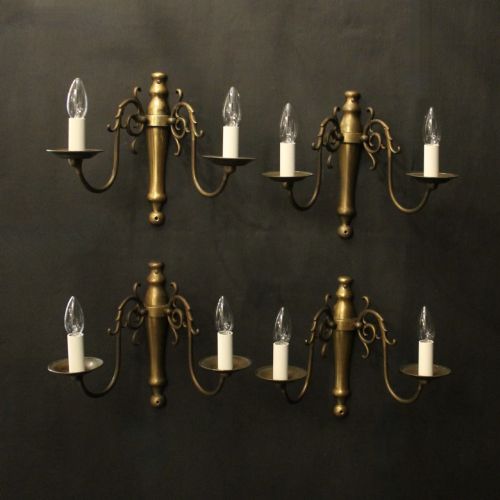
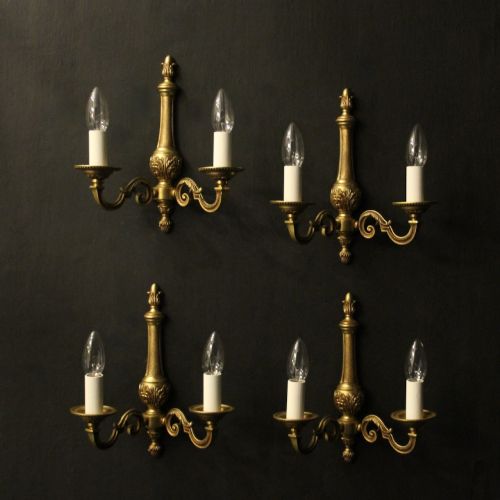
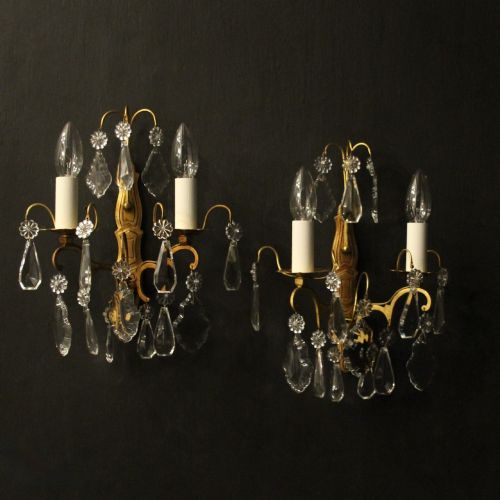
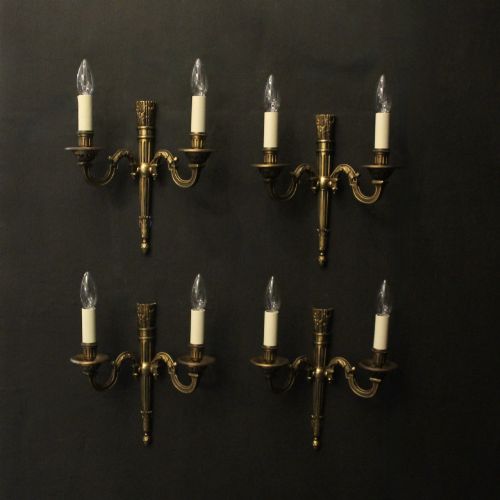
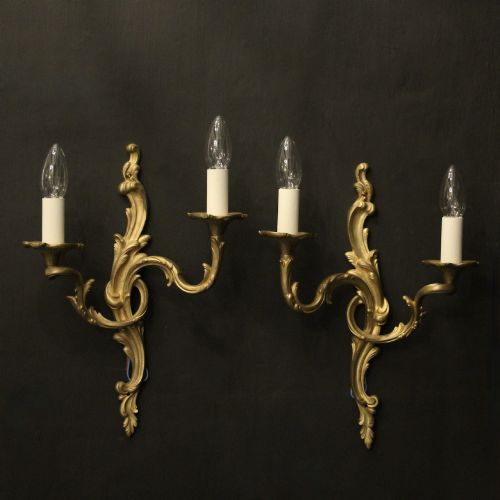
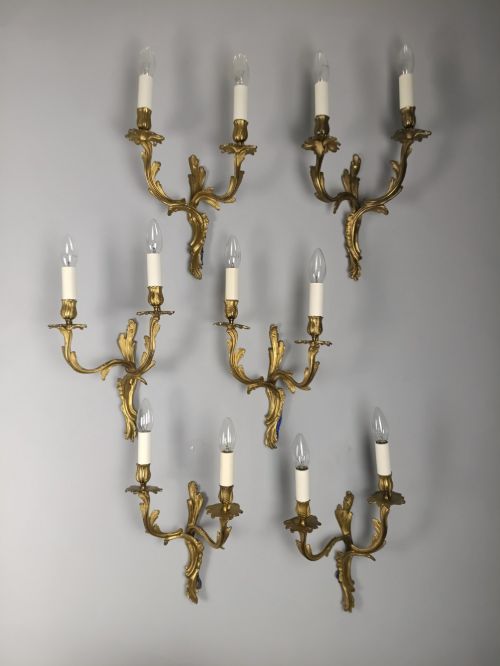
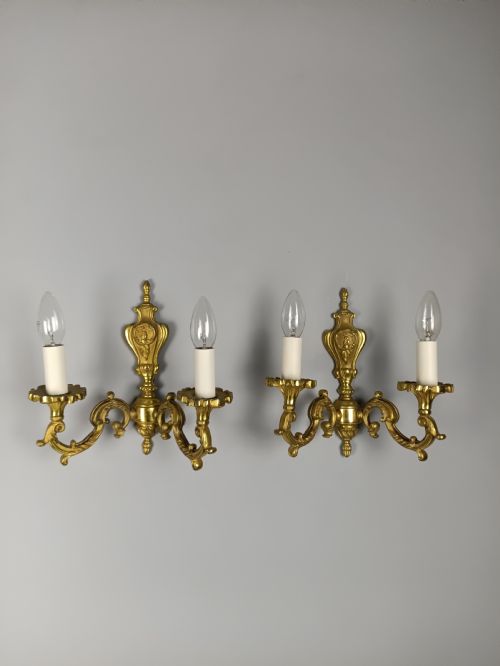
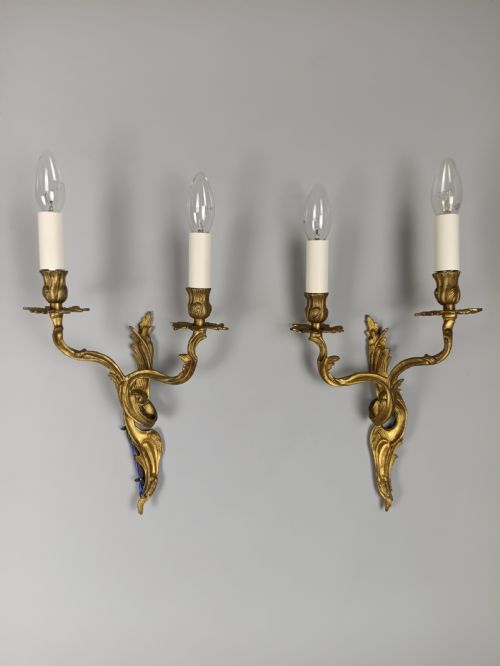
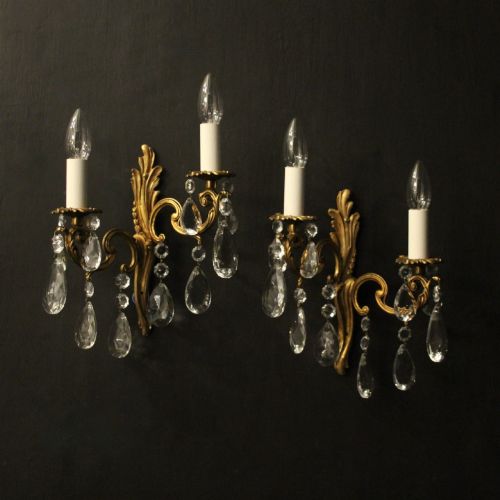
These vintage twin light appliques are paired wall sconces designed to mount candles or bulbs, bringing ornamental symmetry to interior spaces.
Vintage Twin Light Appliques
Vintage twin light appliques are paired wall-mounted lighting fixtures designed to hold two arms of illumination. When searching this phrase, buyers encounter decorative hardware originating from various historical eras.
The selections visible here largely comprise French and English pieces, dating from the Victorian and Edwardian periods through to the interwar decades of the 1920s and 1930s. These items function both as functional fittings and sculptural wall adornments.
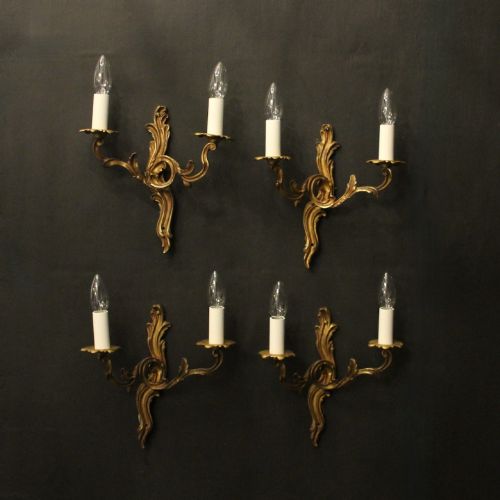
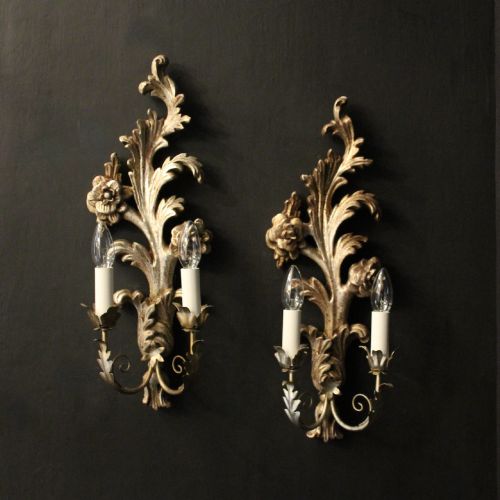
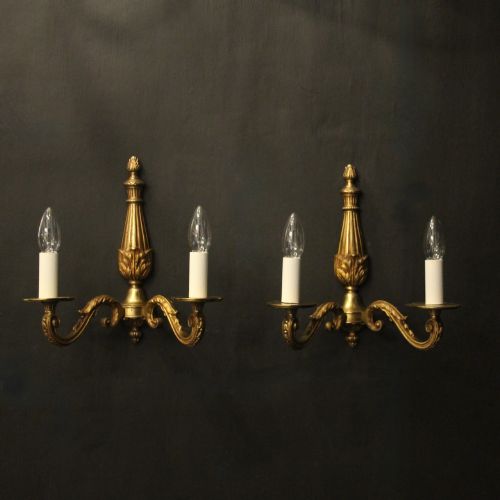
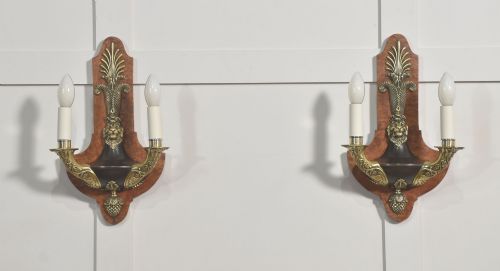
Most examples appear as matched pairs or larger sets featuring dual branches extending from a central backplate. Forms range from restrained classical profiles to elaborate scrolling compositions.
How vintage twin light appliques were made
Metalworking dominates the construction of these fixtures, utilising brass, bronze, and ormolu cast into intricate shapes. Artisans applied surface treatments such as gilding or silvering to impart a metallic lustre to the substrate.
Certain models incorporate carved wood, specifically giltwood, or incorporate crystal droplets to refract illumination. Combination materials such as burr walnut and enamel also appear alongside traditional cast metals.
What varies in quality in vintage twin light appliques
The definition of the casting work dictates the visual standard of the piece, separating crisp ornamental relief from soft, blurred detailing. High-grade items exhibit sharply rendered acanthus leaves, ribbons, and rococo scrolls.
Surface finishing represents another differentiator, where hand-applied gilding or patination retains depth and durability. Heavier metal gauge and robust structural joints distinguish superior manufacture from lighter production runs.
Maison Baguès·F. & C. Osler
The Vintage Twin Light Appliques Glossary
- Applique
- A wall-mounted lighting fixture designed to hold candles or electric bulbs, often functioning as a decorative sconce.
- Ormolu
- A metallic technique involving the application of finely ground high-carat gold to an object of bronze, producing a rich golden finish.
- Giltwood
- Timber that has been coated with a thin layer of gold leaf or powder, frequently seen on carved Italian and French frames.
- Backplate
- The structural rear section of the wall light that fastens directly to the wall surface and supports the extending arms.
- Rococo Revival
- A decorative style characterised by asymmetric curves, C-scrolls, and naturalistic plant motifs, popular during the nineteenth and early twentieth centuries.
Vintage Twin Light Appliques: Frequently Asked Questions
Where should I mount these wall lights?
These fixtures suit placement flanking mirrors, fireplaces, or doorways in hallways and reception rooms to provide balanced illumination.
Ensure professional electrical installation is arranged if the wiring has been updated or requires adaptation for modern standards.
Are these fixtures wired for electricity?
Many examples have been rewired or adapted for modern electrical supply while retaining their historical appearance. It is prudent to check the specific wiring status of individual sets prior to installation.
Original fittings may require conversion by a qualified electrician to meet current safety regulations.
How do I clean gilded metal surfaces?
Dust gently with a soft, dry cloth to prevent the accumulation of dirt on the delicate metallic surfaces. Avoid abrasive cleaners and chemical polishes that can strip away the applied gilding or patination.
Careful maintenance preserves the original finish and ensures the longevity of the metalwork.
How can I tell the period of a wall light?
Stylistic indicators such as Rococo revival scrolls, Empire symmetry, or Art Deco enamel work provide clues to the era of manufacture. Examining the casting technique and the type of metal used also helps determine age.
Comparing construction methods against documented period pieces offers further confirmation of the date.