


Classical Bronze Accent Light
A classical bronze accent light brings sculptural weight and warm illumination to a room, drawing the eye with enduring metalwork.
Classical Bronze Accent Light
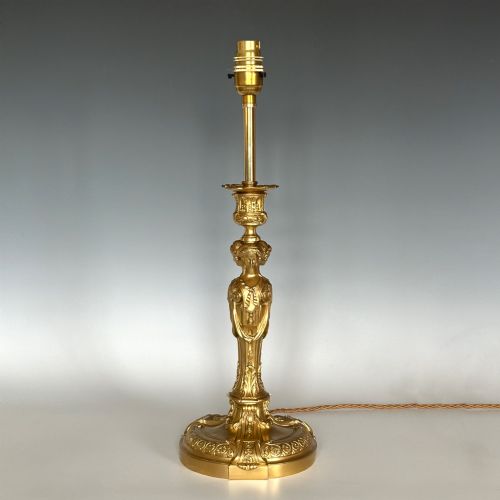
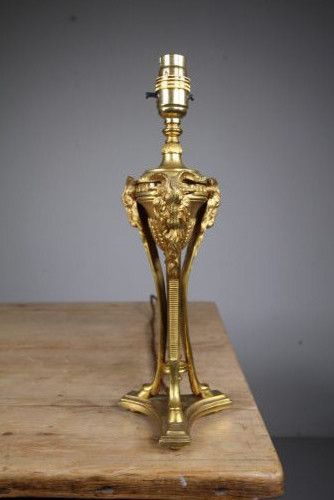
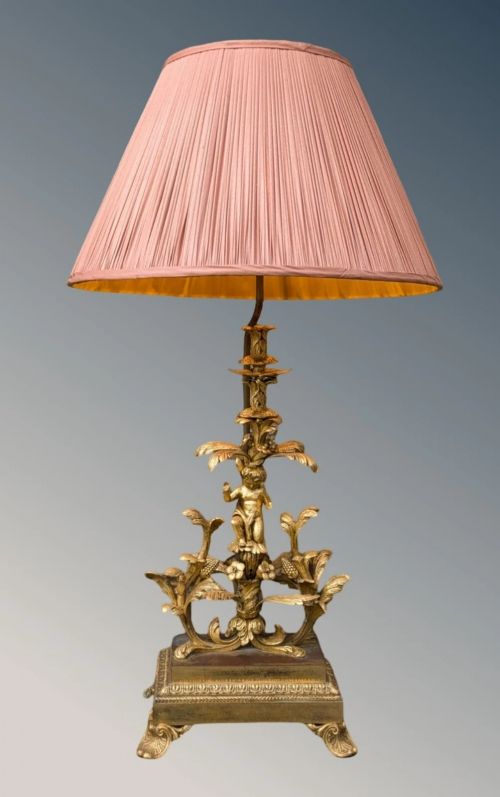
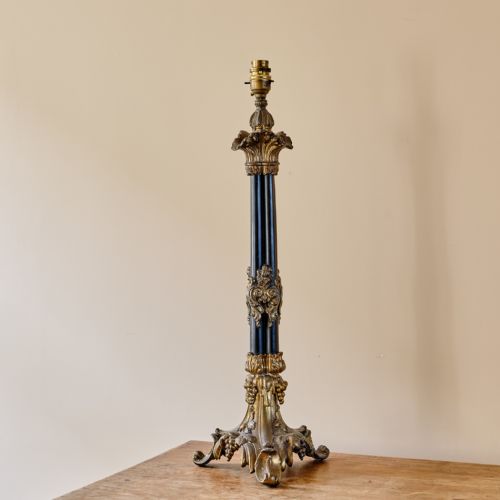
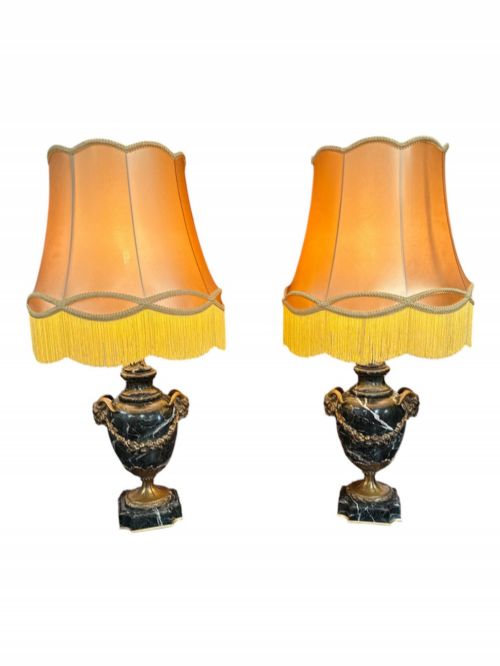
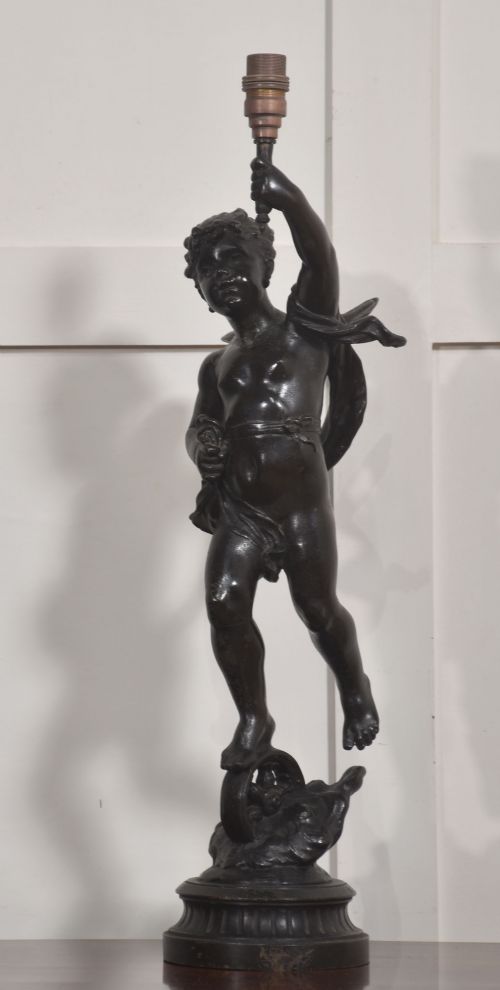
A classical bronze accent light combines cast metal figures, urns, or columns with functional illumination for interior spaces. These items typically take the form of table lamps designed to sit on surfaces rather than hang from ceilings. Buyers encounter pieces spanning the nineteenth century through the early twentieth century, reflecting enduring historical revival styles.
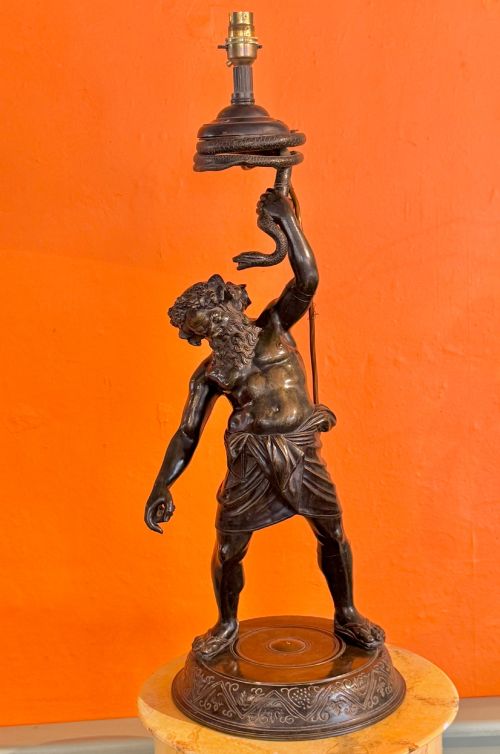
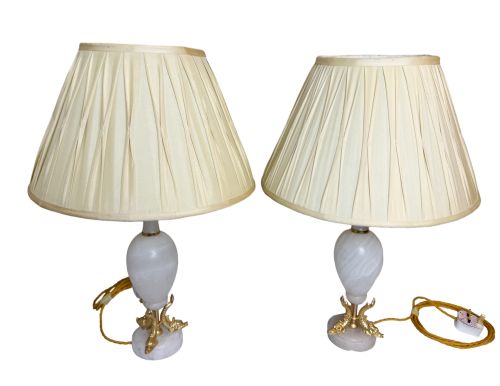
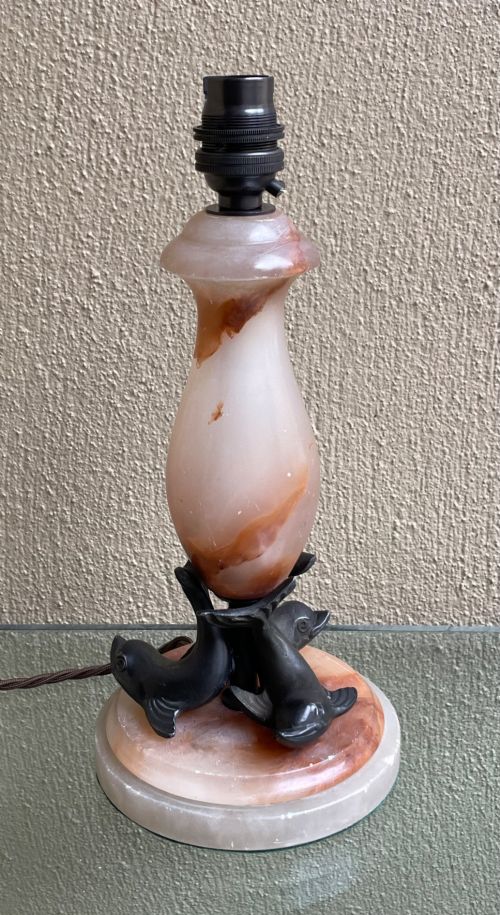
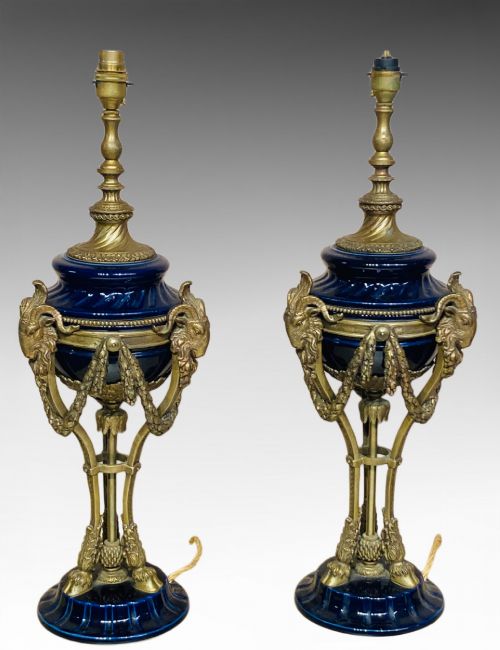
French Neoclassical, Louis XVI, and Grand Tour designs dominate the offerings, often incorporating patinated or gilded surfaces. Many examples utilise marble or onyx bases to anchor the heavier metal components securely. Pairs appear frequently alongside single feature lamps, offering symmetrical options for sideboards or desks.
What varies in quality
The crispness of the metal casting and the depth of the chasing determine the visual refinement of the piece. Heavy, well-defined bronze work with intricate detailing on figures and mounts sits at the upper end of the range. Simpler cast components and uniform patination distinguish more standard decorative items.
The integration of materials also dictates overall standard, particularly the selection of solid marble or onyx versus composite bases. Original gilding and well-preserved fire-gilt surfaces command greater visual presence than later repainted or polished finishes.
Dolphins and cherubs frequently share lamp bases, proving that nineteenth-century artisans enjoyed whimsical aquatic company.
G. Amodio Naples
The Classical Bronze Accent Light Glossary
- Ormolu
- Gilded bronze produced by applying a mixture of gold and mercury to a bronze base, common in French decorative arts. This technique yields a deep, lasting golden lustre.
- Grand Tour
- A nineteenth-century tradition where wealthy travellers collected classical antiquities and bronze reproductions in Italy. Naples workshops frequently produced these souvenir sculptures.
- Patination
- The natural or chemical ageing of a metal surface over time, altering its colour and tone. A rich patina adds depth to cast bronze figures.
- Toile de Jouy
- A traditional cotton fabric featuring printed pastoral scenes, often utilised for period lampshades. It complements nineteenth-century French table lamps.
- Silenus
- A mythological companion of Dionysus, frequently depicted in classical sculpture and decorative metalwork. Figures of Silenus appear on specific Grand Tour lamps.
Classical Bronze Accent Light: Frequently Asked Questions
Are these lamps converted from candlesticks?
Many examples began life as candlesticks, oil lamps, or garniture urns before being adapted for modern electrical use.
Conversion methods vary, but buyers often find wired fittings integrated neatly into the original classical structures.
How do I date a bronze lamp?
Dating relies on stylistic clues like Neoclassical motifs, cast construction methods, and the type of marble or onyx used in the base.
Nineteenth-century pieces generally show heavier hand-chasing, while early twentieth-century examples reflect Art Deco influences.
Where should I place an accent light?
These lamps suit sideboards, desks, and console tables where their sculptural forms can be appreciated up close.
Pairs work well on matching side tables or flanking a fireplace mirror.
What maintenance do bronze lamps require?
Bronze and ormolu require gentle dusting with a soft, dry cloth to prevent dust accumulation in recessed details.
Harsh chemical polishes should be avoided to preserve the original patination and gilt surfaces.