
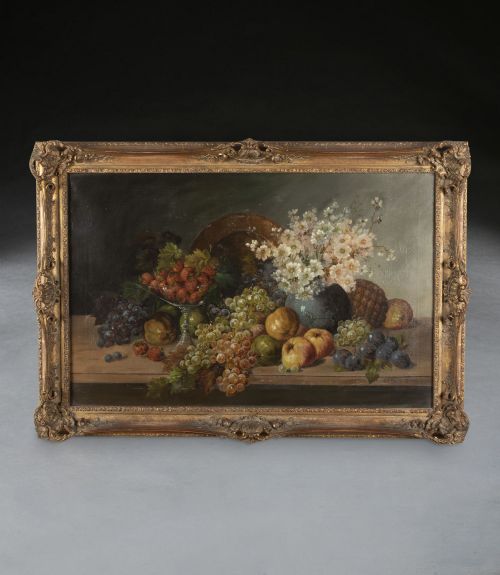


Classical Botanical Oil Artwork
Classical botanical oil artwork brings natural specimen studies into interiors through rich painterly compositions, offering enduring visual depth for collectors.
Classical Botanical Oil Artwork
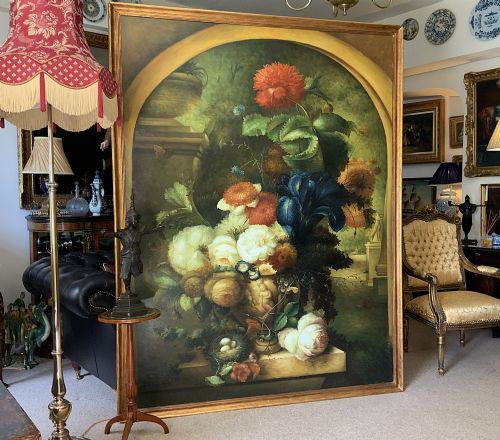
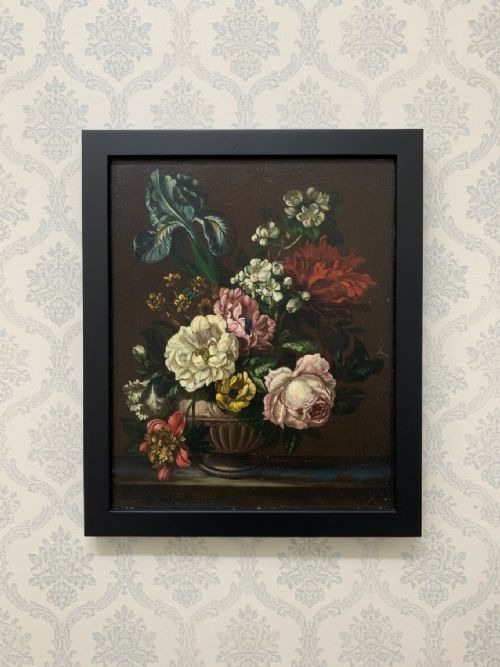
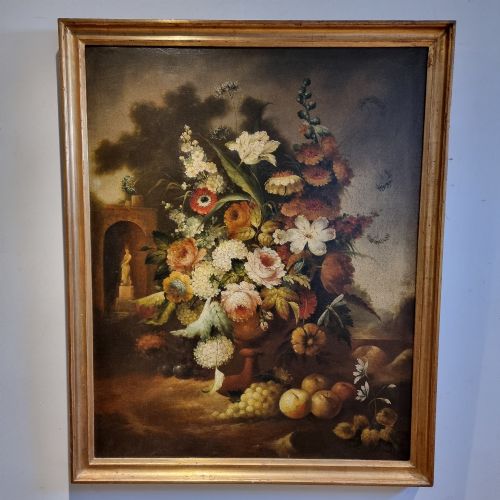
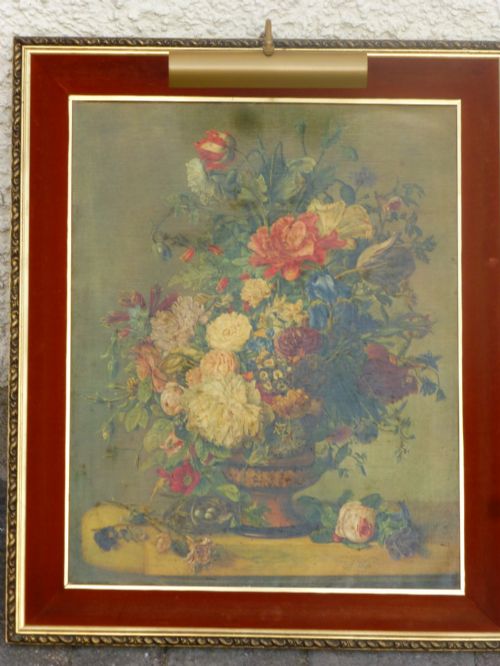
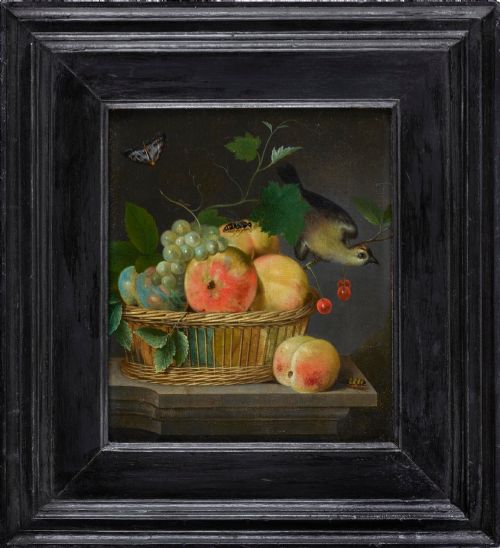
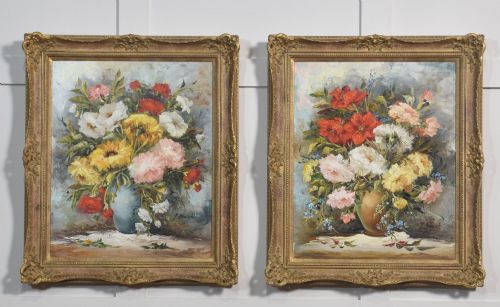
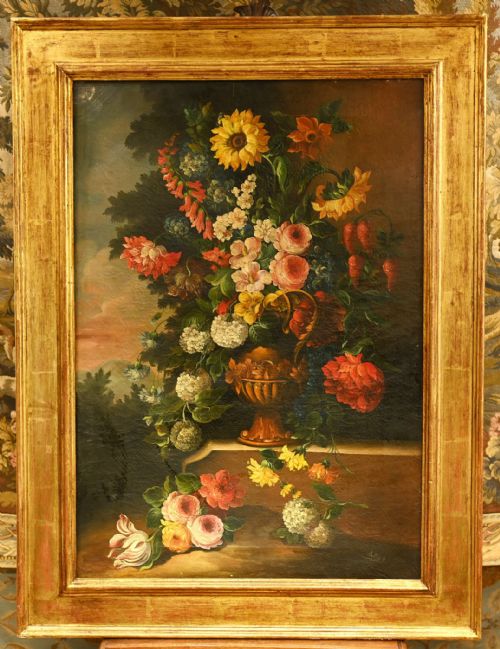
Classical botanical oil artwork captures floral arrangements, fruit compositions, and garden studies rendered in oil paint upon canvas, panel, or board. These pieces draw heavily on historical traditions such as the Dutch Golden Age style, Flemish Baroque, and nineteenth-century revivals.
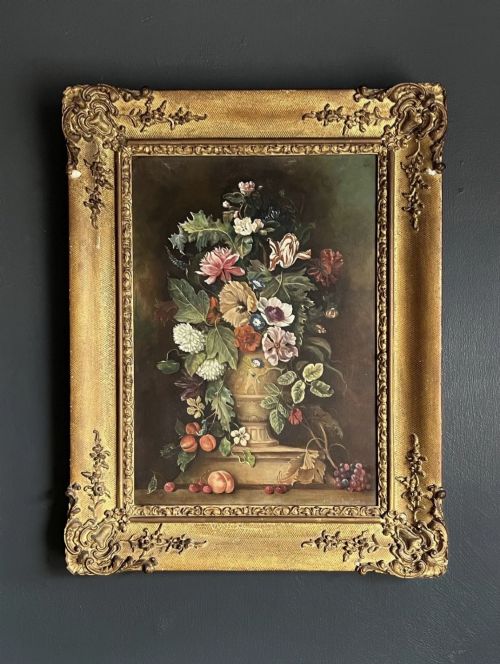
Buyers will encounter works spanning from the seventeenth century through to the mid-twentieth century, alongside period-styled revival pieces. Floral still lifes and fruit compositions dominate the selection, often housed within elaborate frames.
Formats range from intimate cabinet paintings to monumental multi-foot wall art, reflecting centuries of interior display tastes. Many items present floral and botanical subjects with meticulous attention to natural detail.
Materials and execution
Artists relied primarily on oil paint applied to woven canvas, wooden panels, or prepared boards to achieve rich tonal gradations and deep shadows. Grounds and supports varied according to period conventions, establishing the foundation for layered pigment applications.
Frames frequently utilise wood ornamented with gesso, gold leaf, or giltwood to complement the dark, dramatic palettes typical of Baroque and revival compositions. These surrounds form an integral part of the physical object as recorded across the listings.
One cheerful still life composition includes a white-fronted Amazon parrot supervising an elaborate gathering of grapes, pineapple, melon, and hazelnuts.
Judging quality
Quality rests in the handling of light, shadow, and botanical accuracy across the painted surface, distinguishing masterly composition from mechanical execution. Finer examples display confident brushwork and sophisticated tonal balance that elevate simple floral subjects.
The integrity and craftsmanship of the accompanying frame contribute significantly to the overall standing of the piece. Period frames finished in gilt gesso or gold leaf enhance the visual impact of the canvas they enclose.
Gaspar Peeter Verbruggen·William Duffield·Henry Schouten·George Lance·Kershaw Schofield
The Classical Botanical Oil Artwork Glossary
- Oil on canvas
- Pigment suspended in a drying oil medium and applied to a stretched woven fabric support. This combination permits subtle blending and rich texture.
- Giltwood
- Wood carved and coated with gold leaf or metallic powder over a prepared ground. It provides a luminous border for traditional paintings.
- Still life
- An artwork depicting inanimate subject matter, typically featuring natural items like flowers and fruit. These arrangements allow artists to focus on light and form.
- Gesso
- A paint mixture consisting of a binder mixed with chalk, gypsum, or pigment. It prepares rigid panels or wooden frames for gilding and painting.
- Trompe l'oeil
- An artistic technique that uses realistic imagery to create optical illusions of three dimensions. It deceives the eye into perceiving painted objects as actual items.
Classical Botanical Oil Artwork: Frequently Asked Questions
What is classical botanical oil artwork?
These pieces are oil paintings depicting floral arrangements, fruit, and natural specimens inspired by historical European art traditions. They capture botanical subjects through detailed brushwork and layered pigments.
Such works often follow the aesthetic conventions of seventeenth-century Dutch and Flemish masters or later nineteenth-century revivals. They serve as traditional wall art designed for formal interior settings.
How should I hang these paintings?
Display these works away from direct sunlight and excessive moisture to protect the oil pigments and wooden supports. Adequate wall space allows monumental pieces to anchor a room effectively.
Consider the weight of ornate giltwood frames when selecting wall anchors or picture hooks. Proper hardware ensures secure placement for heavier canvases and panels.
How do I identify the period?
Dating relies on examining the stretcher construction, canvas type, framing style, and the physical characteristics of the support board or panel. Stylistic cues also point towards specific centuries of production.
Signatures, inscriptions, and artist records provide further confirmation of origin. Revival pieces often emulate earlier centuries while retaining materials typical of their actual creation date.
Were these used for study?
Historical floral still lifes often served decorative purposes within domestic interiors rather than scientific study. Artists focused on aesthetic composition, colour harmony, and symbolic arrangements.
Over time, these paintings transitioned into collectible focal points for homes and galleries. Their primary function remained the enrichment of living spaces through rendered natural beauty.