

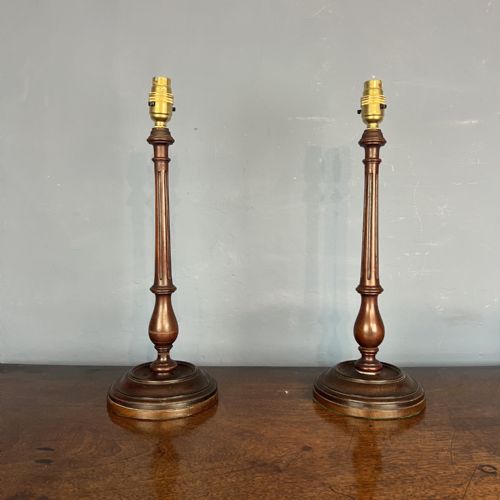
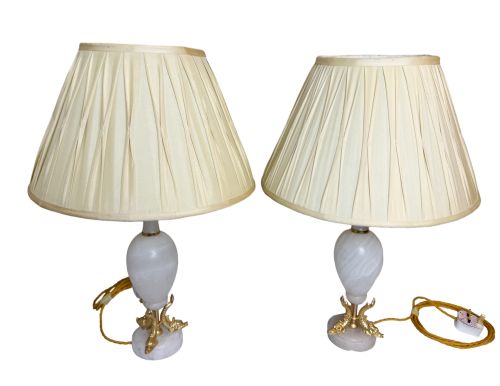
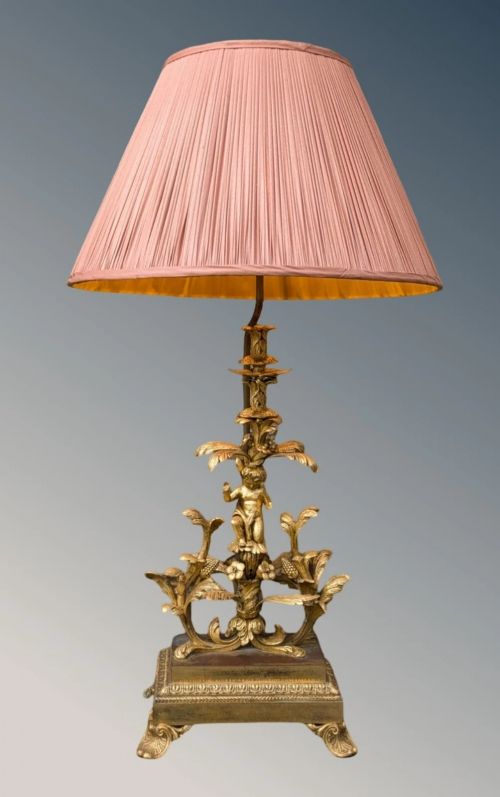
Classical Bedside Table Lamp
A classical bedside table lamp brings structured period proportion to a quiet corner, drawing on architectural forms from columns to urns.
Classical Bedside Table Lamp
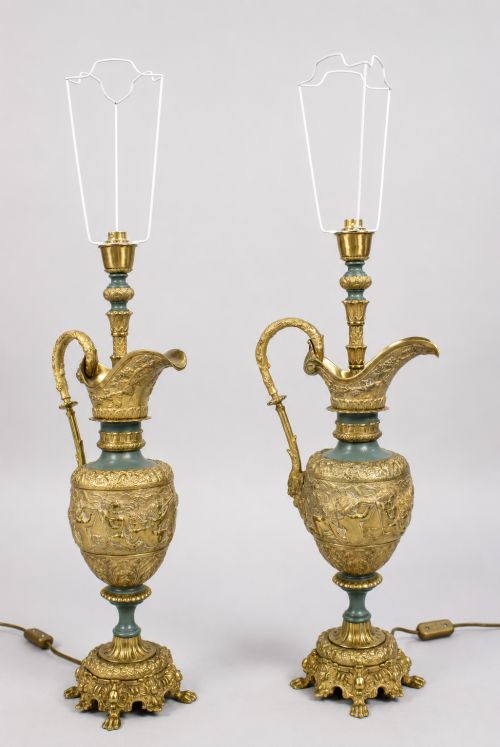
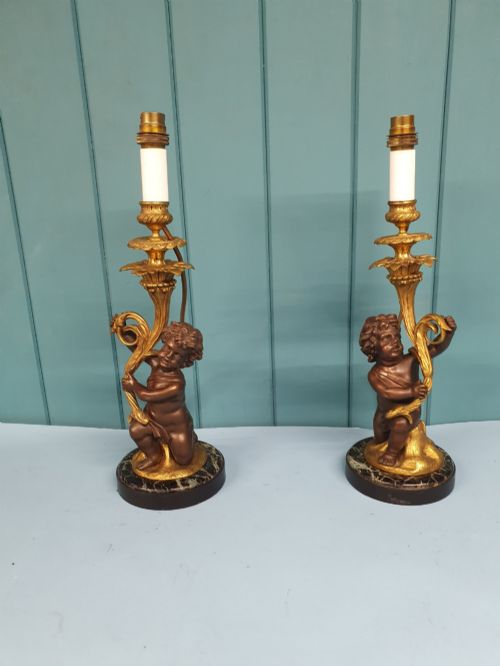
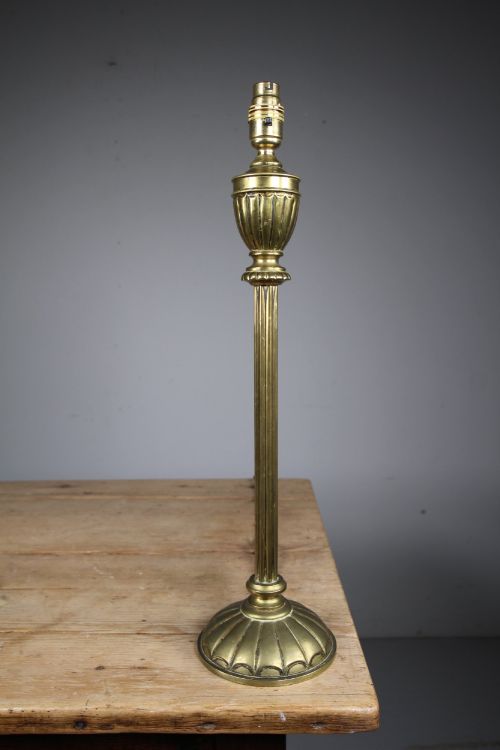
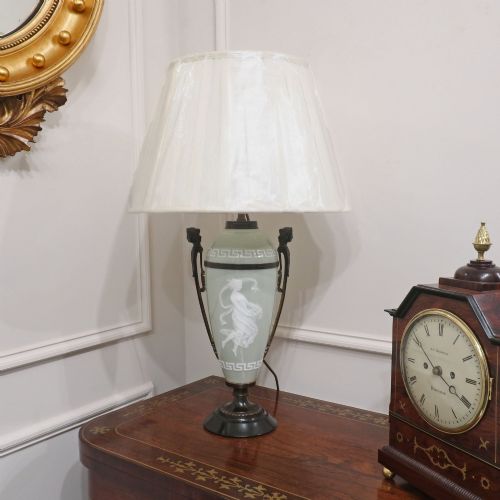
A classical bedside table lamp draws upon historical architectural and decorative vocabulary, adapting motifs from antiquity, the Renaissance and eighteenth-century France into domestic illumination. These pieces take the form of columns, urns, ewers and candlesticks, translated from older lighting devices or decorative objects into electrified table lamps.
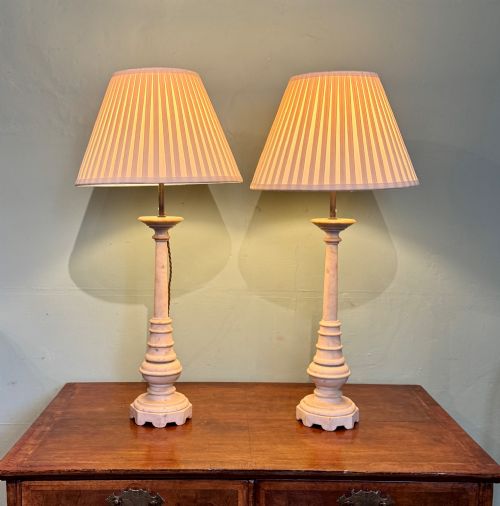
Buyers browsing this selection will frequently encounter nineteenth-century and early twentieth-century examples, spanning the Victorian and Edwardian eras alongside the Art Deco period. Common material combinations pair metals such as brass, gilt bronze and silver plate with white, rouge or onyx marble bases and fabric shades.
Materials and construction methods
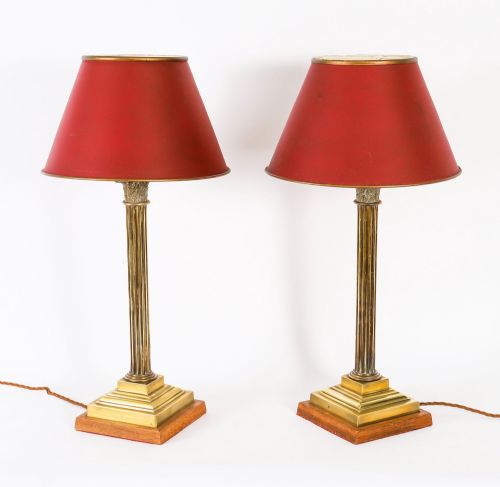
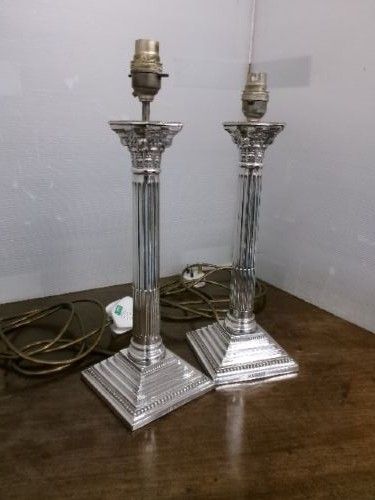
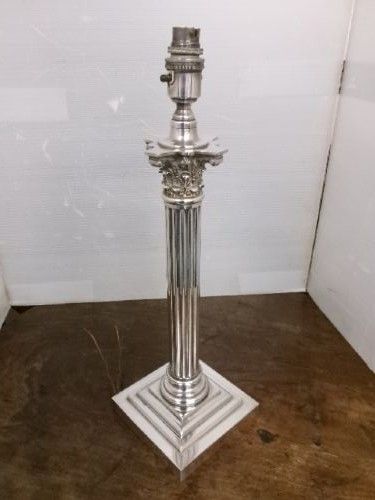
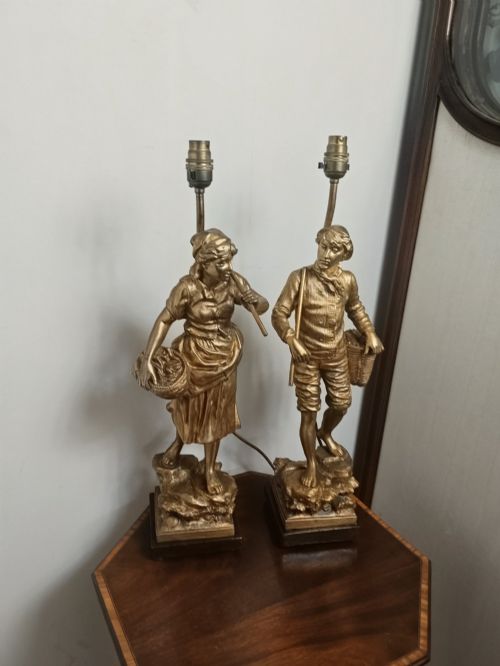
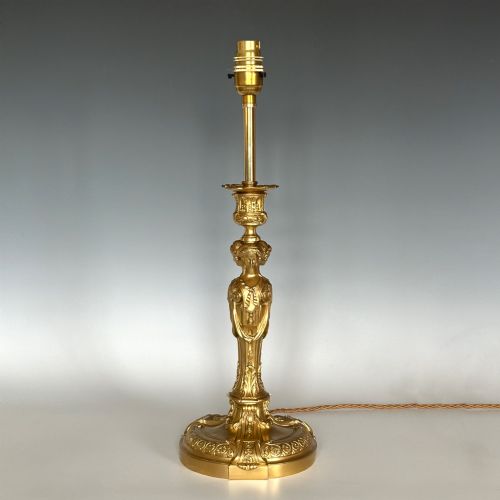
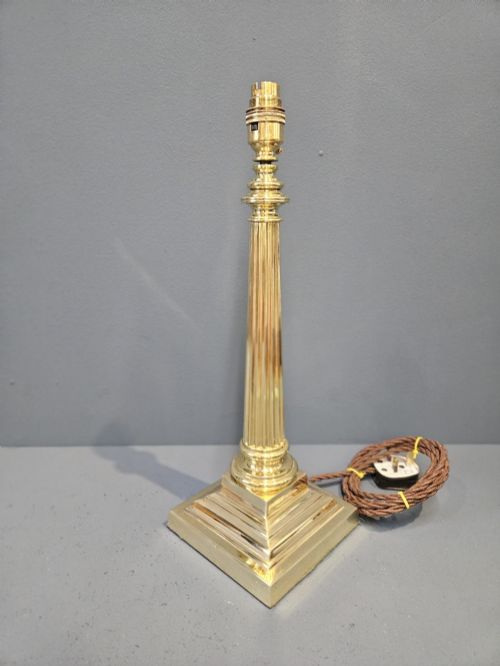
Metals form the structural backbone of these lamps, utilising cast brass, gilt bronze, silver plate and gilded metal shaped into Corinthian or Doric columns, figural groups and elaborate mounts. Founders employed traditional sand casting and lost-wax methods to achieve crisp foliate details, fluted shafts and lion's paw feet.
Stonework and ceramics provide substantial weight and contrasting texture, incorporating carved marble urns, alabaster bodies and pate sur pate porcelain. Artisans turned timber, carved giltwood and mounted carved mahogany components, frequently combining natural stone bases with finely chased metal trim.
Several stone columns sport tiny stone dolphins, proving that even classical antiquity occasionally appreciated a playful aquatic companion.
Assessing quality and craftsmanship
The distinction between ordinary and superior pieces rests upon the crispness of the casting and the depth of the hand-finishing. Finer examples display sharp, cleanly articulated acanthus leaves on Corinthian capitals, deeply chased surface enrichment and well-matched marble or onyx bodies without awkward seams.
Proportion and material integrity govern the overall caliber of a lamp. High-grade specimens integrate their electrical conversions cleanly without compromising the original silhouette, utilising substantial gauge metals and genuine fire-gilding or heavy silver plating rather than thin, modern surface treatments.
E Rousseau·Royal Worcester
The Classical Bedside Table Lamp Glossary
- Corinthian column
- An architectural column order characterised by ornate capitals decorated with rows of acanthus leaves. Many nineteenth-century lamps adapt this classical form for vertical lighting.
- Ormolu
- Gilded bronze, where finely ground high-carat gold is applied to a cast bronze base using a mercury amalgam or electroplating process. This technique yields a warm, enduring metallic lustre.
- Pate sur pate
- A ceramic decorating technique where liquid white clay is painted in successive layers upon a darker contrasting body to create a low-relief cameo effect.
- Ewer
- A large jug with a wide spout and elaborate handle, historically used for water but frequently adapted in the nineteenth century into decorative lamp bodies.
Classical Bedside Table Lamp: Frequently Asked Questions
How do I style a classical bedside table lamp?
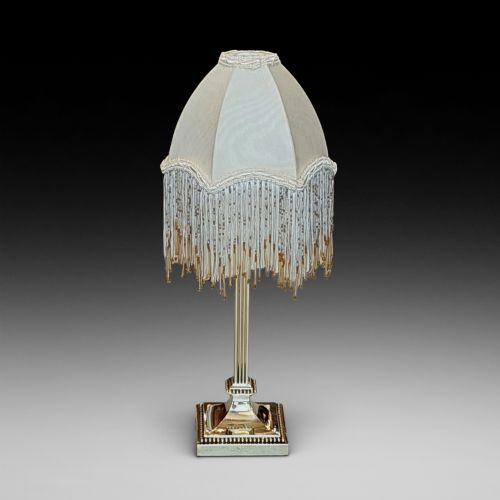
Pair these lamps with simple fabric shades to balance ornate metal columns or carved marble urns. Their vertical proportions suit small tables where illumination needs to travel above books and objects.
Ensure the switch placement suits nighttime reach, as older conversions vary in cord placement and inline toggle positions.
Are these lamps safe for modern electrical use?
Many surviving examples have been rewired during the twentieth century to meet standard domestic requirements. It remains sensible to have any antique wiring inspected by a qualified professional before daily use.
Original brass sockets and weighted bases generally accept standard modern bulbs once the internal cord has been renewed.
How do I date a brass column lamp?
Examine the casting quality, base construction and threading inside the metal components. Late nineteenth-century examples often feature heavy brass bases with square stepped plinths and hand-cut threads.
Edwardian and early twentieth-century versions frequently introduce turned onyx shafts or lighter stamped brass components alongside older classical revival styles.
What is the difference between ormolu and gilt metal?
Ormolu specifically denotes mercury-gilded or fire-gilded bronze, producing a deep, rich metallic finish that withstands cleaning and retains its lustre over generations. Gilt metal typically refers to a base alloy, such as brass or spelter, with a simpler applied gold-colored finish.
Closer inspection of weight, colour depth and surface wear usually reveals whether a lamp utilises solid bronze or a secondary metal base.