





Classical Architecture Art
Classical architecture art captures the grandeur of antiquity through detailed prints, watercolours and oil paintings.
Classical Architecture Art
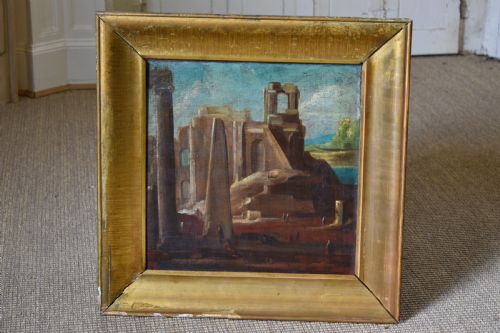
When you search for classical architecture art, you encounter works celebrating ancient structures, ruins and grand buildings across several centuries. The selection spans framed architectural prints, detailed watercolours and oil paintings dating from the eighteenth century into the early twentieth century.
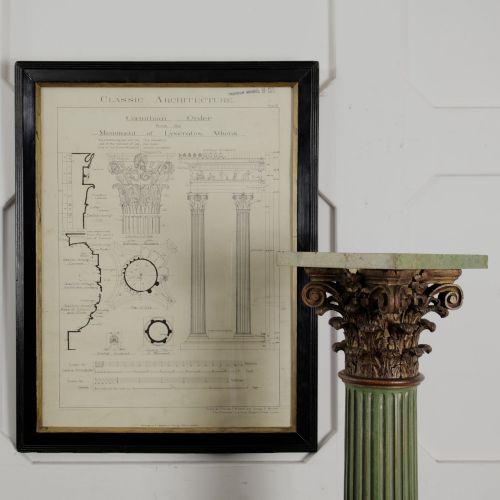
You are most likely to meet coloured engravings of classical scenes, Grand Tour watercolours of Roman ruins, and framed plates detailing orders like the Corinthian. These pieces range from seventeenth and eighteenth-century depictions of Athens and Rome to nineteenth-century revival works.
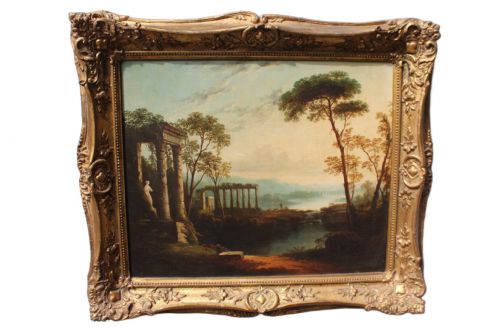
The objects take various forms, including sets of coloured prints of architectural scenes, individual landscape oil paintings, and ink drawings produced for academic study. Each piece reflects a lasting fascination with classical antiquity, whether through imaginary Italianate landscapes or precise archaeological records.
How they were made
The works rely upon traditional graphic and painterly techniques, utilising paper, ink, watercolour and oil paint. Engravings and prints capture fine architectural lines, often enhanced with hand-colouring to bring out the detail of stone capitals and ruined temples.
Framing often involves gilt wood or gold leaf, providing a period border that complements the classical subject matter. Painters and draughtsmen worked on canvas and paper, employing precise perspective to render columns, arches and classical proportions accurately.
Classical Architecture Art Retail Price Guide 2026
Typical asking prices for classical architecture art among the pieces listed under this phrase on Sellingantiques today, from the lower quarter to the upper quarter. They describe what is for sale here now, not the wider market.
A youthful student signed one surviving architectural drawing at age seventeen, preserving a schoolroom exercise from the South Kensington School.
What varies in quality
Quality in these works rests upon the precision of the draughtsmanship and the fidelity of the architectural rendering. Superior pieces demonstrate a mastery of perspective and line, capturing the correct proportions of orders such as the Doric and Corinthian.
The choice of medium and the preservation of the paper or canvas also distinguish the range. Early impressions of eighteenth-century engravings retain sharper plate marks, while watercolours show varying degrees of pigment vibrancy and tonal depth.
Pio Panfili·James Basire
The Classical Architecture Art Glossary
- Grand Tour
- A traditional journey through Europe undertaken by upper-class young men to absorb the cultural legacy of classical antiquity. Souvenirs from this trip frequently included watercolours and prints of Roman ruins.
- Neoclassical
- A Western cultural movement drawing inspiration from the art and culture of classical Greece and Rome. This style prioritises symmetry, proportion and classical architectural elements.
- Corinthian Order
- One of the classical orders of architecture, characterised by slender fluted columns and ornate capitals decorated with acanthus leaves. It appears frequently in architectural plates and drawings.
- Italianate Classical
- An artistic style inspired by the idealized landscapes and architecture of the Italian countryside. These compositions often incorporate classical temples, lakes and rustic buildings.
- Engraving
- A printmaking process where an artist carves an image onto a metal plate with a burin. Ink is forced into the grooves and transferred to paper under pressure.
Classical Architecture Art: Frequently Asked Questions
What periods do these artworks cover?
The works span from the eighteenth century through the nineteenth century and into the early twentieth century. They include period engravings from the seventeen-hundreds alongside later revival pieces.
This broad timeline encompasses the height of Grand Tour travel and subsequent academic architectural studies.
How were architectural prints used historically?
Historically, prints and drawings served as educational tools for students of architecture and art. They also acted as souvenirs for travellers returning from Italy.
Collectors framed these pieces to display their classical learning and refined taste in domestic interiors.
What is the difference between an engraving and a watercolour?
An engraving is a printed multiple produced from an incised metal plate, allowing for precise architectural lines and repeated imagery. A watercolour is a unique, hand-painted work on paper.
Both mediums were used to record ancient monuments, but watercolours offer individual painterly touches and colour variation.
How do I care for antique paper and prints?
Antique paper and watercolours require protection from direct sunlight to prevent fading and discolouration. Keeping them away from excessive moisture preserves the integrity of the paper.
Framing with acid-free mounts helps maintain the condition of older prints and drawings over time.