




Classical Architectural Bronze
Classical architectural bronze objects bring ancient temple designs and classical orders into nineteenth-century interiors through miniature ruins, mounted clocks, and decorative hardware.
Classical Architectural Bronze
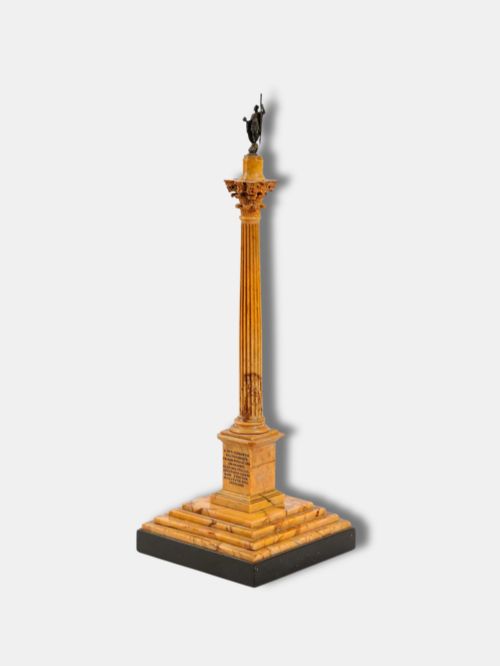
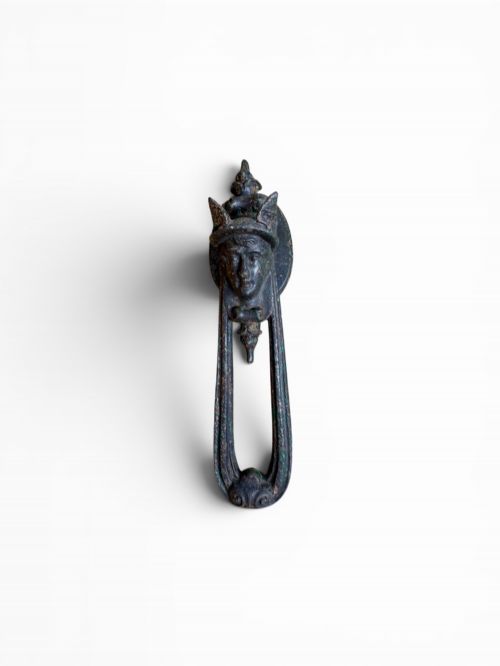
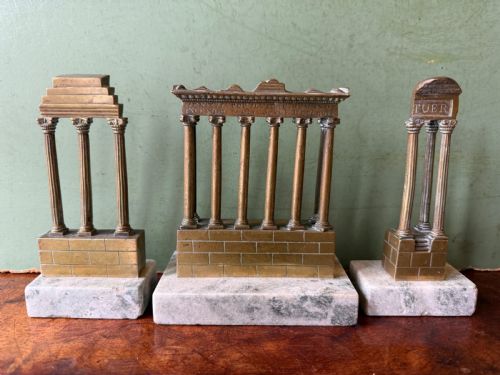
When you search for classical architectural bronze, you encounter nineteenth-century interpretations of ancient forms, including Grand Tour souvenir temple models, portico clocks, and fireplace friezes. These items translate monumental architecture into domestic scale using cast metal and stone.
How they were made
Maker's workshops combined cast bronze, gilt bronze, and ormolu with natural stones such as rouge marble, slate, alabaster, and mahogany to construct these heavy decorative objects. Metal components were cast, chased, and occasionally gilded to contrast with polished stone bases and columns.
Portico and mantel clocks integrated complex mechanical movements within architectural facades built from glass, crystal, and silvered dials. Architectural models relied on precise casting of miniature columns and capitals to replicate Roman ruins accurately.
Classical Architectural Bronze Retail Price Guide 2026
Typical asking prices for classical architectural bronze among the pieces listed under this phrase on Sellingantiques today, from the lower quarter to the upper quarter. They describe what is for sale here now, not the wider market.
The site listings combine French portico clocks with Italian Grand Tour temple models and Victorian marble mantelpieces.
What varies in quality
The distinction between ordinary and superior pieces rests on the crispness of the bronze chasing and the selection of the mounting materials. Fine examples display sharp architectural detailing on capitals and friezes without softening in the cast ornament.
Integration between the metalwork and the stone base determines the overall success of the piece. High-quality items balance the weight of marble or slate bodies with accurately proportioned bronze mounts and well-fitted clock movements.
Philippes Paris·Benson Ludgate Hill London
The Classical Architectural Bronze Glossary
- Portico clock
- A mantel clock designed with a distinct architectural case featuring vertical columns supporting a lintel, reminiscent of a classical portico. These often house the clock movement suspended within the central opening.
- Ormolu
- A gilded bronze technique utilising a mercury amalgam applied to cast brass or bronze, popular in French decorative arts. This finish provides a warm, lasting golden sheen to architectural mounts.
- Grand Tour
- A nineteenth-century tradition where travellers collected souvenirs such as miniature bronze architectural ruins and temple models in Italy. These objects served as physical records of classical education and European travel.
- Frieze
- A decorative horizontal band on a fireplace or architectural element, frequently cast in bronze with allegoric figures. It forms a central visual component in classical interior design.
Classical Architectural Bronze: Frequently Asked Questions
How were portico clocks used?
Portico clocks served as functional timekeepers and decorative centrepieces on mantelpieces and console tables in nineteenth-century homes. Their architectural frames mirrored grand building facades.
The clock face sat centrally between structural columns, allowing the swinging pendulum to remain visible within the open portico design.
What do Grand Tour models represent?
Grand Tour models represent famous ancient Roman structures and architectural ruins collected by travellers during European journeys. Pieces such as the Temple of Hercules Victor served as tangible proof of classical scholarship.
These miniature bronzes allowed nineteenth-century owners to display their appreciation for Mediterranean archaeology and classical antiquity inside their homes.
How do you date nineteenth-century architectural bronze?
Dating relies on identifying stylistic periods such as the French Charles X era, Second Empire, or Victorian classical revival alongside material combinations. The integration of specific marbles and gilding techniques helps establish chronology.
Signatures or marks from clockmakers and foundries inscribed on dials or movements also provide definitive production periods for mounted pieces.
How do you care for bronze and marble clocks?
Care involves dusting bronze mounts gently with a soft dry cloth and avoiding harsh chemical cleaners that strip patination or gilding. Marble and slate surfaces require simple wiping to maintain their polished finish.
Mechanical clock movements benefit from professional servicing by specialists to ensure the internal gear trains and escapements function correctly over time.