
Classical Picture Frame
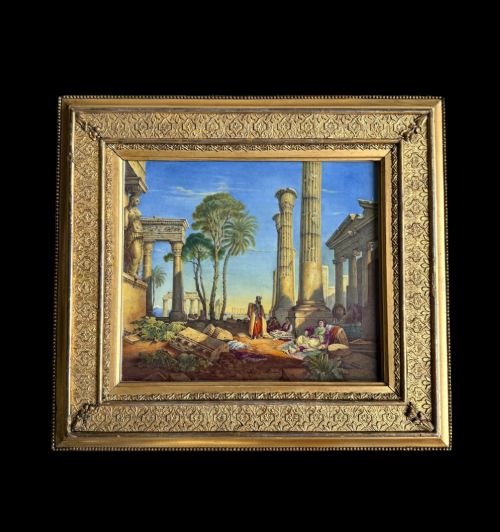
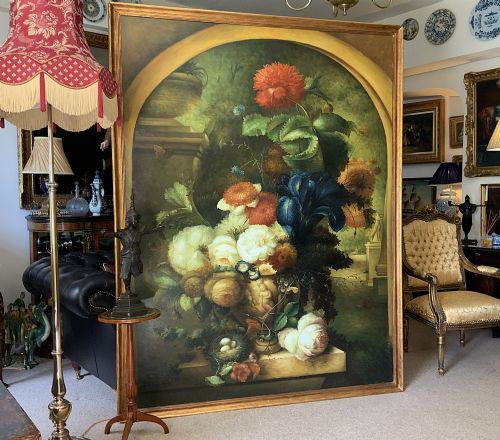
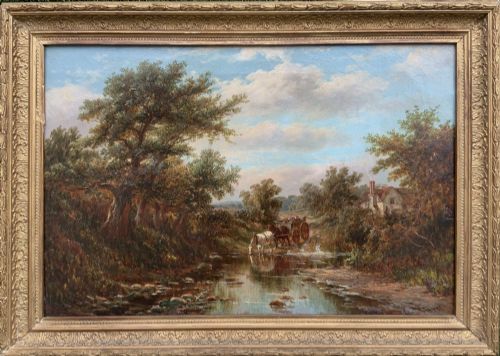
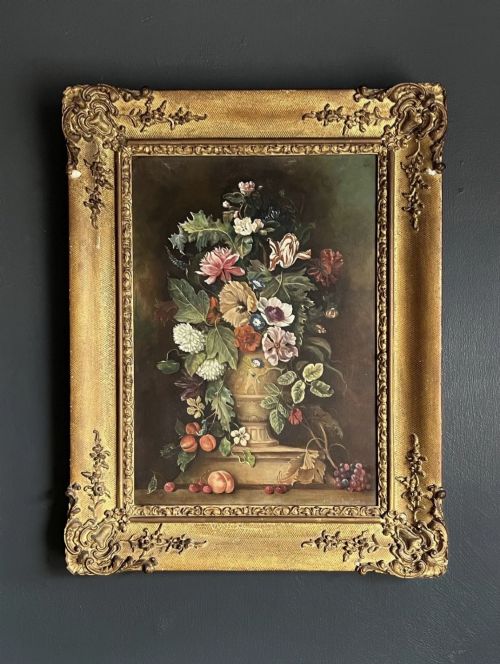
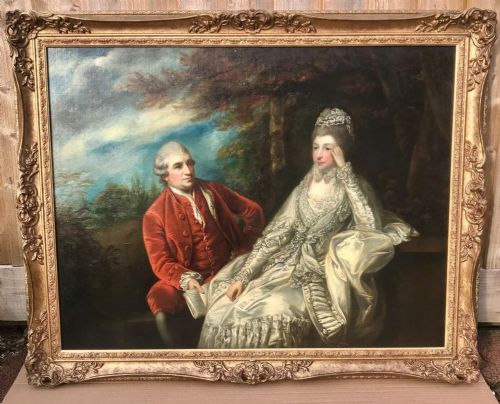
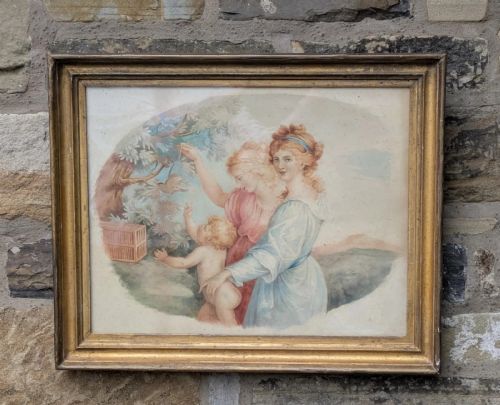
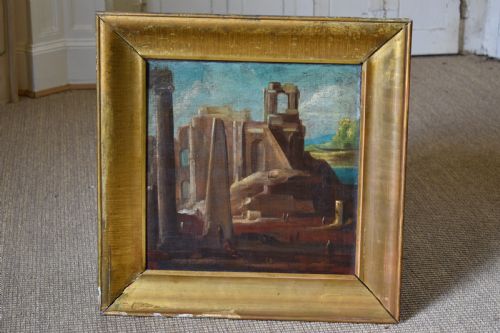
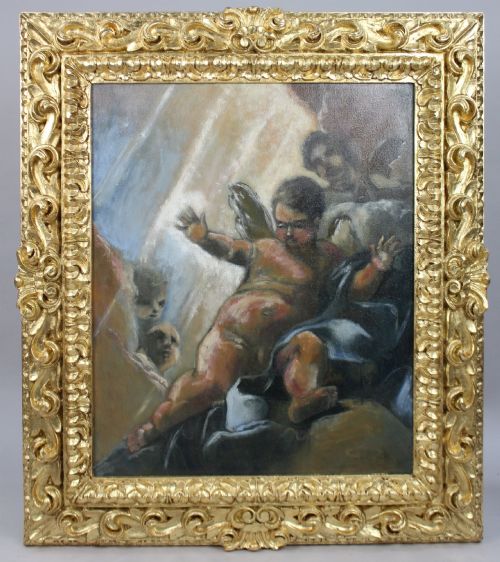
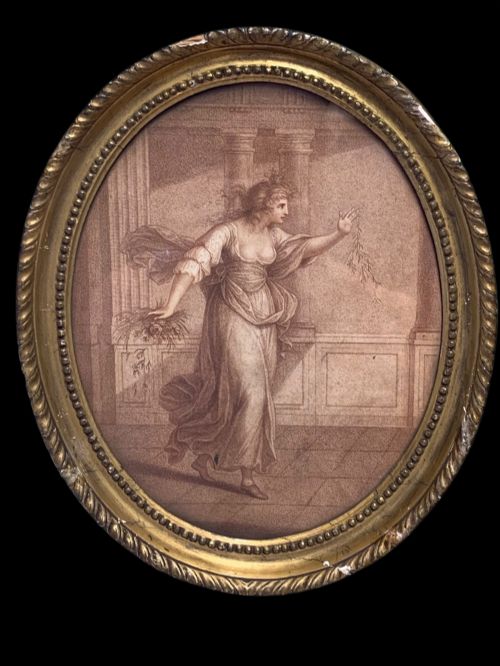
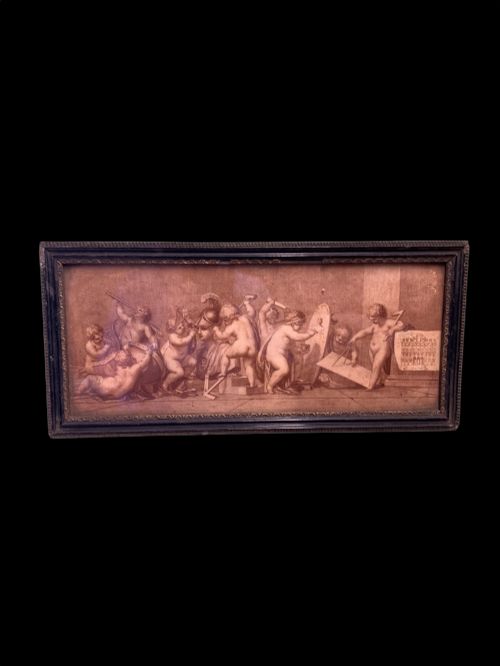
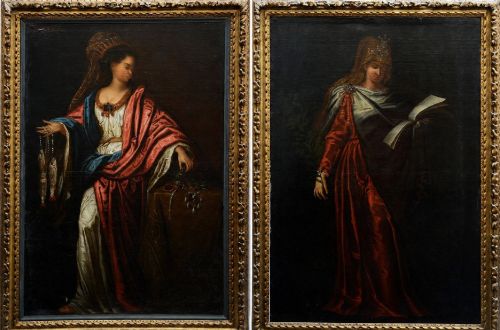
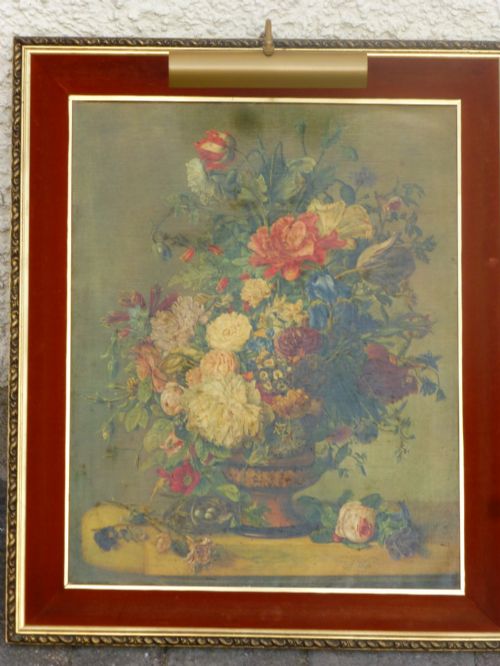
A classical antique picture frame centres the display, bringing historic depth and gilded presence to oil paintings, watercolours and engravings.
Classical Picture Frame
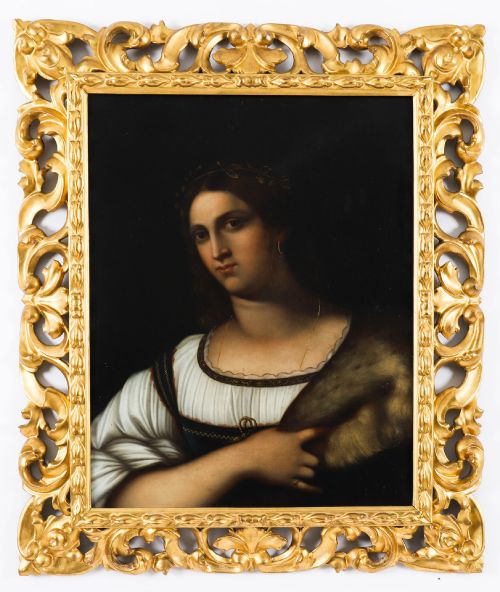
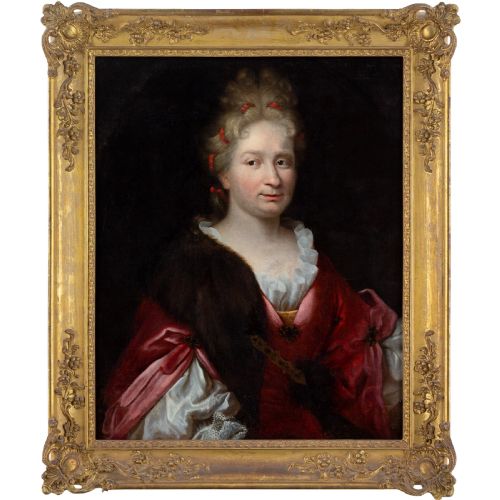
A classical antique picture frame houses historic artwork, ranging from oils on canvas and panel to engravings, watercolours and gouache.
Buyers seeking this phrase encounter pieces spanning the seventeenth through to the twentieth centuries, with nineteenth-century examples appearing frequently.
Many listings present complete works where the frame and the artwork form a unified historical object, often reflecting Victorian, Georgian or Renaissance Revival aesthetics.
Materials and construction
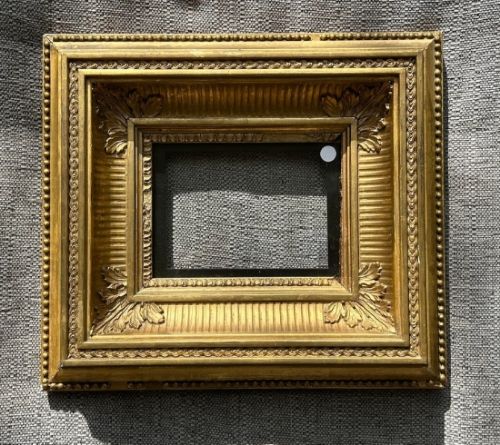
Wood serves as the primary structural foundation for these frames, shaped into deep hollows, fluted mouldings and beaded profiles.
Giltwood, gesso and gold leaf are applied over wooden bases to create reflective metallic surfaces that catch ambient light.
Makers utilised glass and paper alongside wood and canvas to protect and display delicate prints, pastels and oil paintings.
Listings feature works created across four distinct centuries, spanning the seventeenth, eighteenth, nineteenth and twentieth periods.
Factors of quality
The crispness of carved wooden ornament and the depth of the gesso moulding dictate the visual weight and refinement of a frame.
The integrity of the original gilding and the harmony between the artwork and its mounting separate standard examples from finer works.
Joshua Reynolds·John Ferneley Senior·William Etty·Renato Moretti·Étienne Baudet
The Classical Picture Frame Glossary
- Giltwood
- Wood that has been coated with gold leaf or a gold-coloured finish. This material brings a bright, warm reflection to the perimeter of a painting.
- Gesso
- A plaster-like mixture applied to wood bases to create a smooth surface for carving or gilding. It allows makers to form intricate relief details.
- Engraving
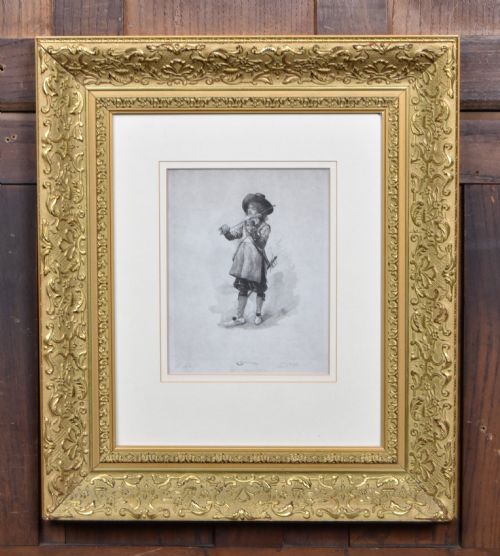
- A printmaking technique where an image is incised into a metal plate. These works frequently appear mounted behind glass within period frames.
- Neoclassical
- A style inspired by classical antiquity that emphasises proportion and architectural dignity. It influences both the artwork and the framing design.
Classical Picture Frame: Frequently Asked Questions
Are the frames sold with the paintings?
Many listings offer the artwork together with its period frame as a complete historical package. These combinations often preserve the original pairing intended by the maker or later owners.
Buyers should examine individual descriptions to confirm whether the artwork and frame are sold as a unified item or if the framing is a later addition.
How do I date a frame?
Dating relies on observing stylistic markers such as fluted hollows, egg and dart mouldings, and the specific composition of the underlying gesso. Eighteenth-century examples often display hand-carved wooden details, whereas later nineteenth-century versions may utilise massed composition ornament.
Comparing the construction techniques at the reverse of the frame provides further clues to its period of manufacture.
What artwork fits these frames?
These frames accommodate a variety of historical works including oil paintings on canvas or panel, delicate watercolours, pastels and stipple engravings. The visual weight of the frame generally corresponds to the scale and period of the art it encloses.
Grand Tour scenes, classical portraits and landscape paintings are typical subjects found within these borders.
How should I hang a heavy gilt frame?
Heavy giltwood and gesso frames require secure wall fixings suited to the substantial weight of dense wood and plaster ornamentation. Professional picture hanging hardware distributed across two points distributes the load safely.
Positioning frames away from direct sunlight protects both the gilded surfaces and the enclosed paintings from environmental degradation.