


Classical Allegorical Art
Classical allegorical art brings together mythological figures, personified virtues, and symbolic scenes rendered in paint, bronze, and print.
Classical Allegorical Art
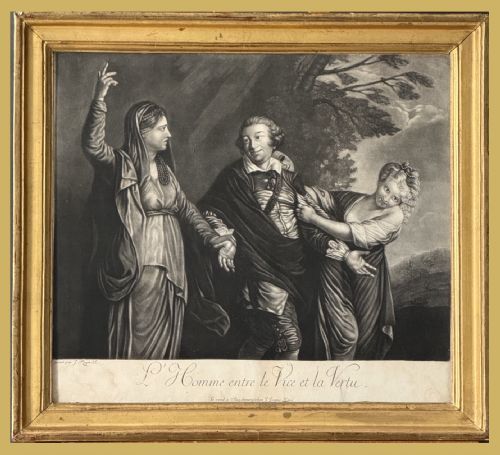
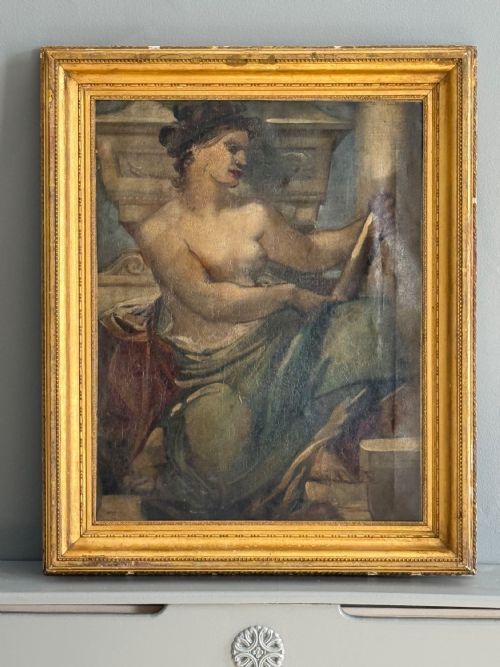
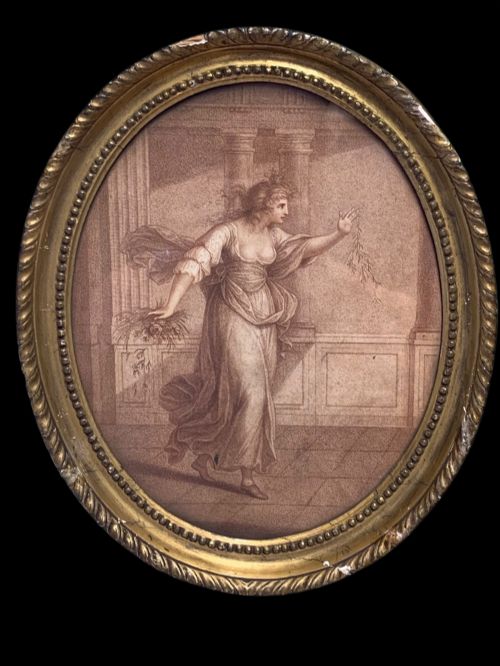
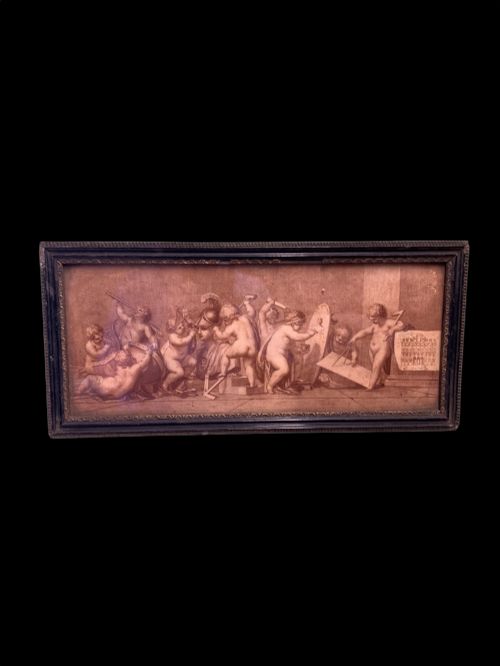
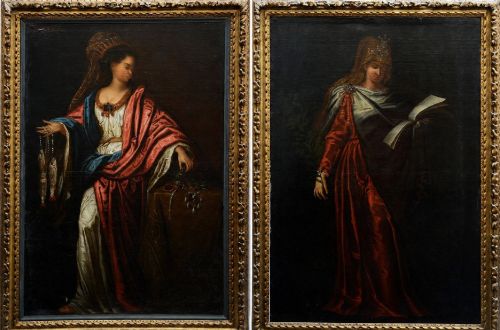
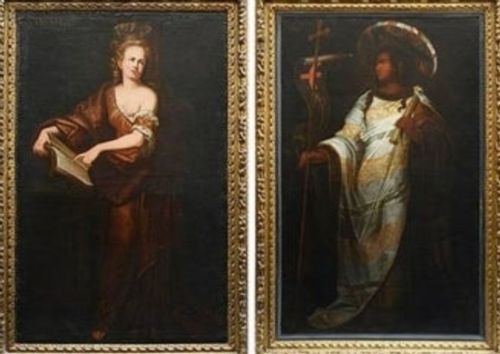
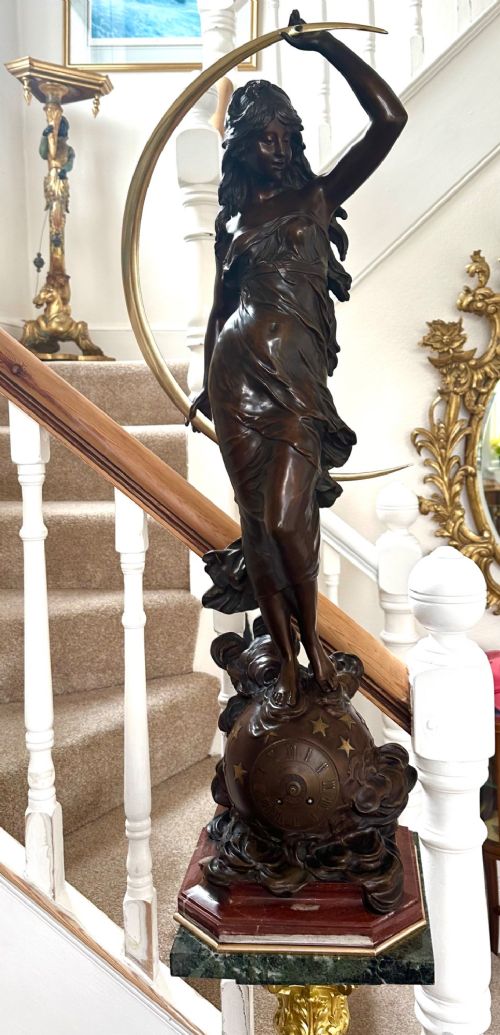
Classical allegorical art embodies personified concepts, mythological deities, and symbolic narratives derived from classical literature and history. These pieces materialise complex ideas through human forms, frequently depicting figures such as Flora, Selene, or cherubs to represent seasons, virtues, or philosophical notions.
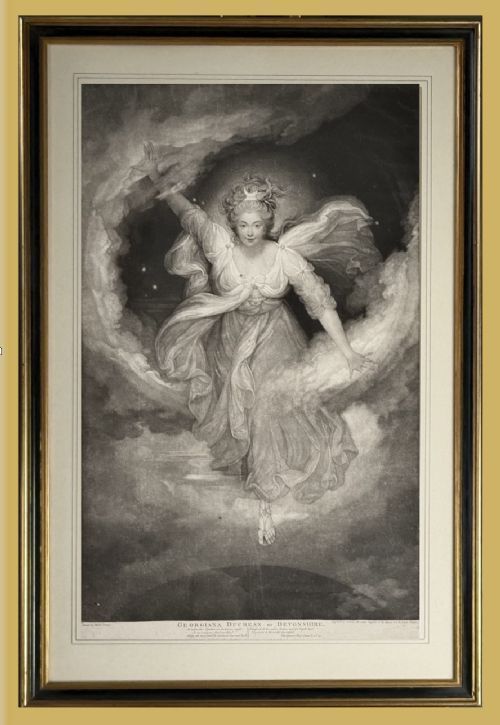
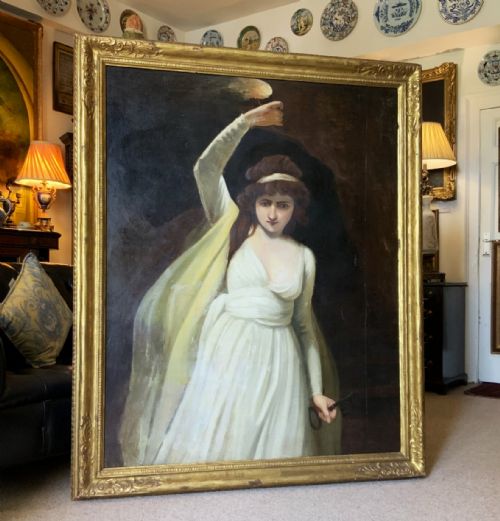
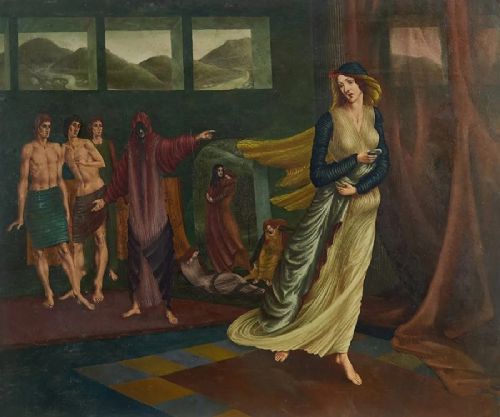
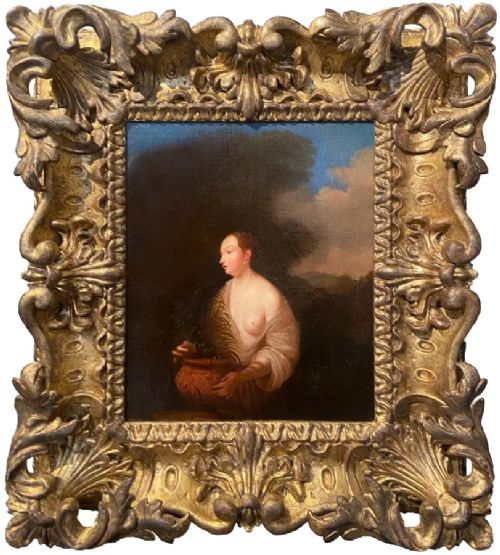
The selection encountered most often spans oil paintings on canvas, bronze sculptures, and works on paper including engravings and mezzotints. Dating primarily from the eighteenth and nineteenth centuries, these works reflect enduring academic and neoclassical interests in narrative symbolism.
Makers and artists range from academic painters working in oil to bronze sculptors associated with French foundries. Collectors find both large-scale framed canvases and intimate bronze figurines or framed prints representing these allegorical themes.
Materials and Techniques
Paintings employ oil on canvas or board, executed with academic precision to depict mythological subjects, landscapes, and figures. Engravings, mezzotints, and collotype prints utilise paper surfaces to reproduce detailed narrative compositions.
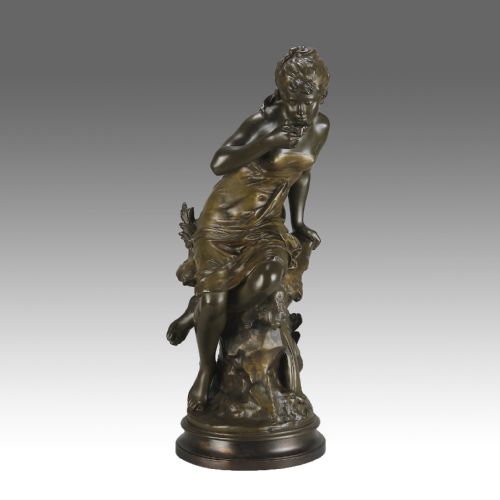
Three-dimensional representations are cast in bronze or spelter, often capturing dynamic figures on tactile bases. Carved alabaster and porcelain provide alternative mediums for sculptural figures representing allegorical themes.
Frames play an integral role in presentation, utilising giltwood and wood constructions designed to complement the visual weight of the paintings and prints they enclose.
Listings span works created across the eighteenth, nineteenth, and early twentieth centuries.
Defining Quality
Quality rests upon the execution of the human form, the nuance of expression in faces, and the fluidity of drapery across both bronze and canvas. Masterful handling distinguishes expressive, lifelike portrayals from rigid or formulaic workshop output.
In cast metal and bronze works, the crispness of the chasing and the subtlety of the patina dictate visual distinction. Sharply defined details in hair, flora, and fabric elevate a sculpture above simpler commercial casts.
The integrity of the medium, whether preserved oil paint on canvas or a cleanly pulled early print, determines the overall calibre of the surviving piece.
Jiohan Elis Haid·Sir Joshua Reynolds·Valentine Green·Maria Hadfield Cosway·John Opie RA·August Moreau·Toussaint Gelton·Mathurin Moreau·Auguste Moreau·Nicolas Fouché·Jean Baptiste Isabey·Ernst Barrias·Pugi·Del Buono·Guiseppe Mazzolini·Achille Mollica·Peter Paul Rubens·Charles Augustus Henry Lutyens·Eduard Veith
The Classical Allegorical Art Glossary
- Mezzotint
- A printmaking process of the intaglio family where the surface is roughened to achieve tones and rich dark areas. It allows for subtle tonal gradations ideal for reproducing portraits and narrative scenes.
- Spelter
- An alloy of zinc used as a less expensive alternative to bronze for decorative statuary and figures. It is frequently painted or patinated to resemble bronze.
- Collotype
- A photolithographic printing process that uses hardened gelatin to produce continuous tone images. It yields fine, continuous detail without a visible dot screen.
- Stipple engraving
- A method of engraving where an image is built up using small dots rather than continuous lines. This technique creates soft transitions of light and shadow.
- Toile de Jouy
- A type of cotton or linen fabric printed with repetitive pastoral or allegorical scenes, usually in a single colour on a light background. It originates from French textile production.
Classical Allegorical Art: Frequently Asked Questions
What is an allegorical painting?
An allegorical painting uses human figures, objects, and settings to convey a hidden symbolic meaning beyond the literal subject matter. These works often represent abstract concepts like seasons, virtues, or philosophical ideas through classical mythology.
Such pieces rely on recognised visual symbols, such as flora for spring or cherubs for innocence, allowing viewers to read a moral or narrative message within the composition.
How do I identify a bronze from spelter?
Bronze is heavier, colder to the touch, and permits a richer, more durable patination that deepens naturally over time. Spelter, being a zinc alloy, is lighter and tends to show grey metal beneath worn spots in its painted surface.
Examining the underside or hidden junctions often reveals the softer, more brittle nature of spelter compared to the robust strength of cast bronze.
Where were nineteenth-century bronze allegories made?
Many nineteenth-century bronze allegorical figures were produced in France, supported by skilled foundries and prominent sculptors working in Paris. These workshops created both large exhibition pieces and smaller cabinet bronzes for domestic interiors.
French foundry marks and signatures stamped into the base frequently indicate the maker and production era of the piece.
How should I care for antique oil paintings?
Antique oil paintings require stable environmental conditions away from direct sunlight, extreme temperature fluctuations, and high humidity. Keeping them in moderate spaces prevents canvas contraction and cracking of the paint layer.
Surface dust should be removed gently with a soft, dry brush by a professional, avoiding any water or cleaning solutions that might damage the delicate pigment.