
Classic Wrist Watch
A classic wrist watch brings mid-century mechanical reliability and understated proportion to daily wear.
Classic Wrist Watch
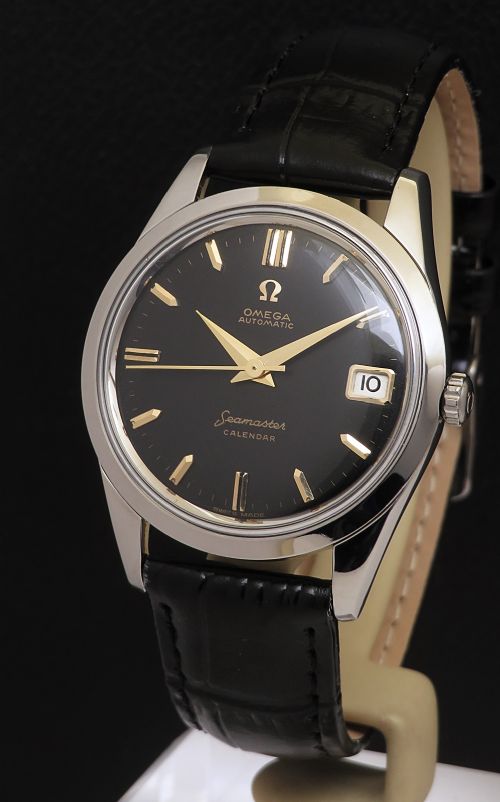
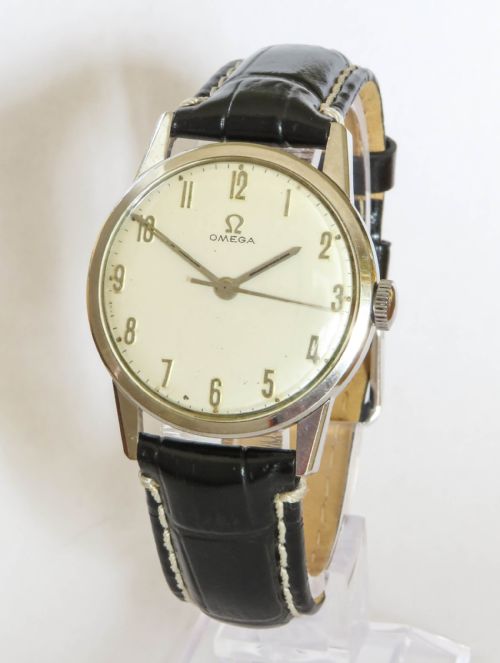
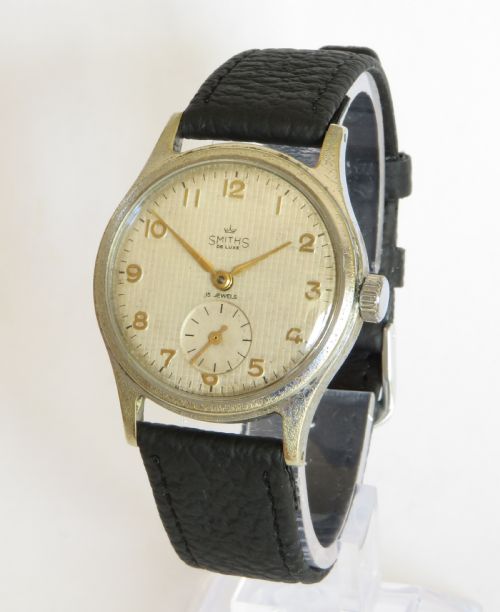
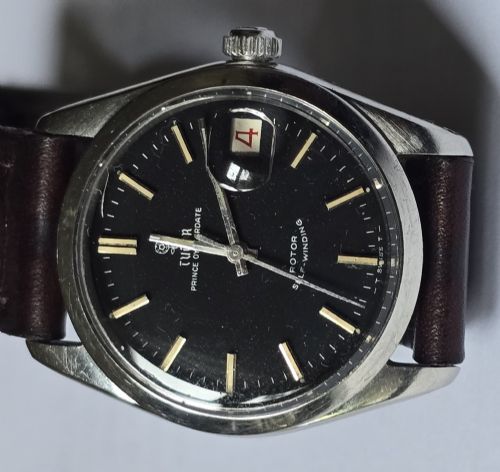
When buyers search for a classic wrist watch, they encounter mechanical timepieces originating primarily from the 1930s through to the 1970s. These pieces encompass diverse forms including dress models, chronometers, and robust water-resistant designs intended for everyday utility.
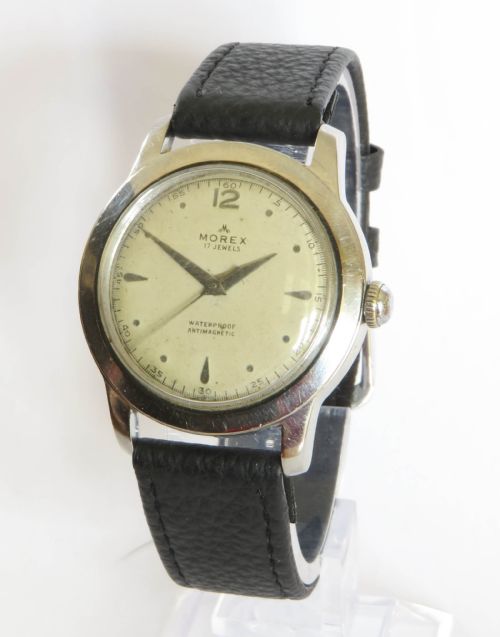
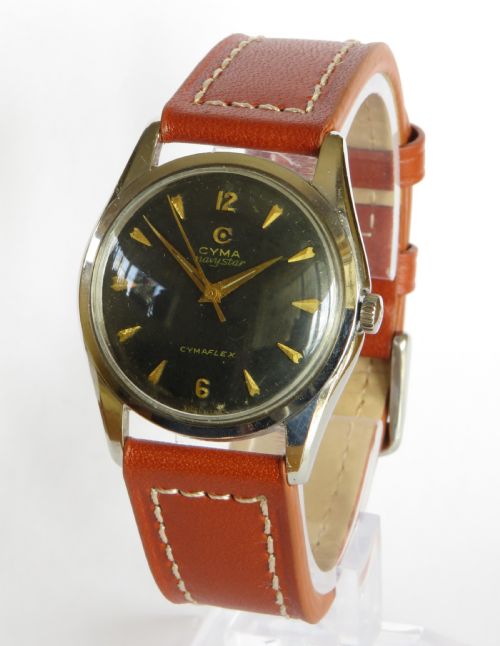
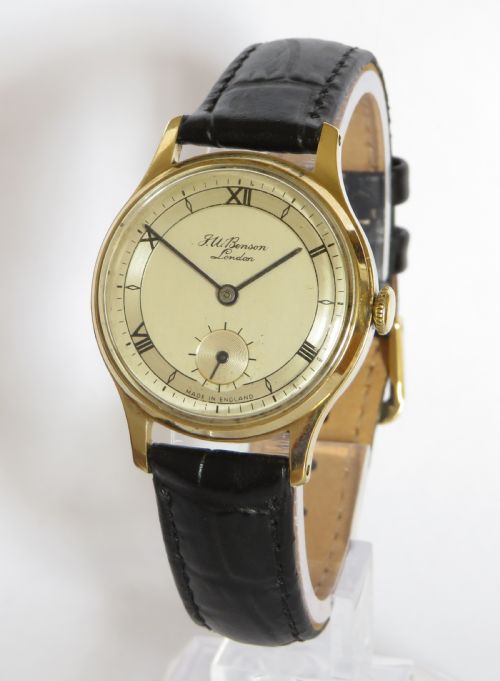
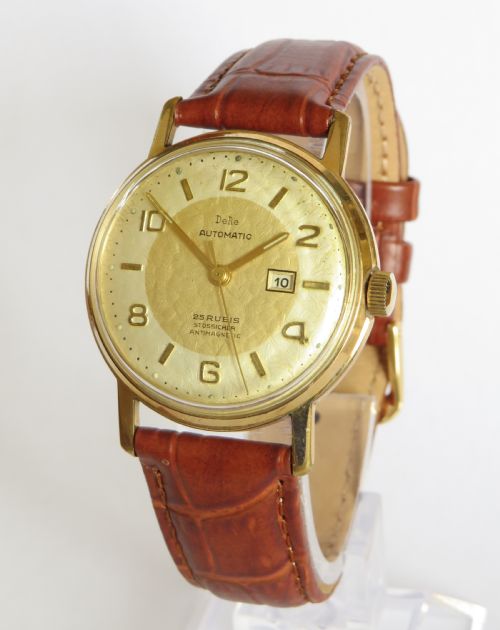
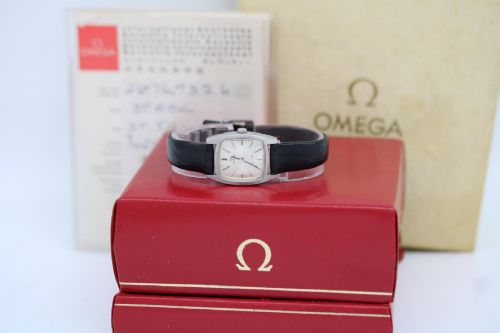
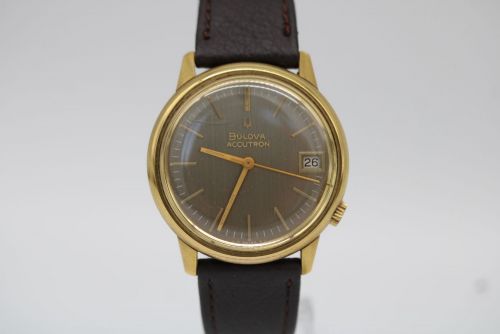
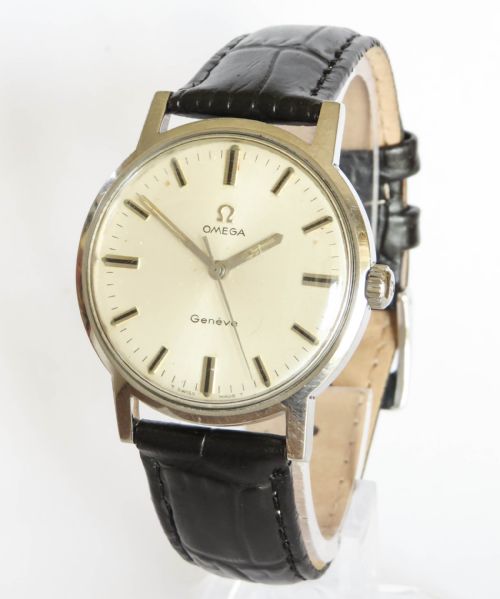
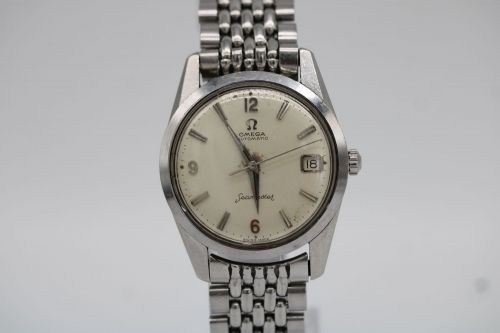
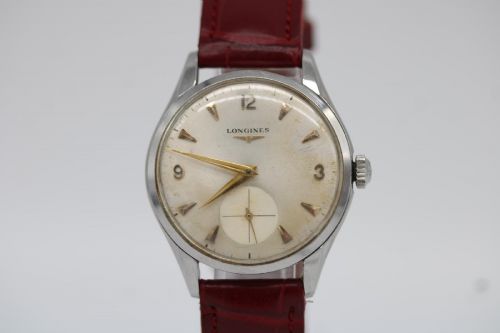
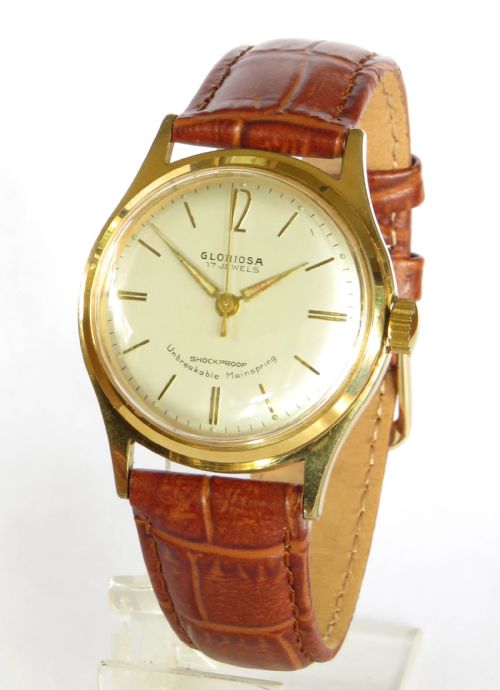
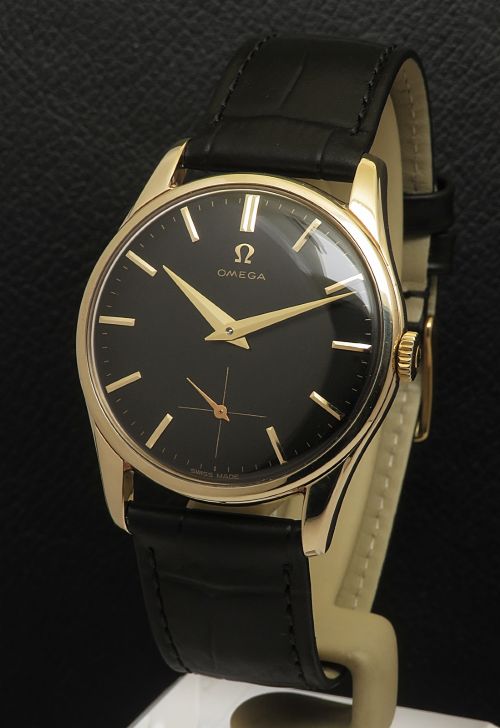
The version most commonly met on this page is the gents wrist watch dating from the 1950s and 1960s, housed in steel, gold plate, or solid 9ct gold. Names such as Omega, Smiths, and Longines frequently appear, representing the standard production of Swiss and British workshops from those decades.
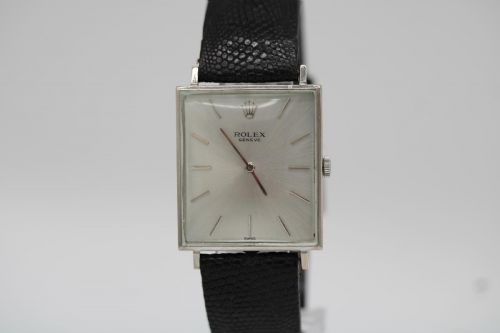
Cases span mid-century modern and Art Deco styles, often paired with leather straps and simple dials. Buyers select these items for their historical integrity and the straightforward mechanics of manual wind and automatic movements.
Materials and construction
Cases utilise stainless steel, chrome, gold plate, and solid 9ct gold to house internal mechanical calibres. Dials are protected by glass, acrylic, or acrylic glass, maintaining visibility while safeguarding the movement from dust and moisture.
Movements rely on precision gear trains driven by manual wind mechanisms or automatic self-winding rotors. Workshops fitted these assemblies into tailored cases, pairing them with leather straps to secure the timepiece to the wrist.
Listings span four decades from the 1930s through to the 1970s, featuring stainless steel, gold plate, and 9ct gold.
Variations in quality
Quality rests in the refinement of the movement and the integrity of the case. Higher-tier examples incorporate chronometer-grade calibres and precious metal housings, whereas standard models utilise gold plate or stainless steel over reliable commercial movements.
The preservation of original dials and case geometry separates standard examples from superior ones. Unpolished edges on metal cases and clean, patinated dials without heavy restoration indicate higher collector standing.
Tudor·Montilier·Cyma·Smiths·Omega·Rolex·Bulova·Longines·Gloriosa·Certina·Avia·Rotary·Baume Bimatic·Ensign·Lanco·Eterna·Marvin·Prisma·Girard Perregaux·Garrard
The Classic Wrist Watch Glossary
- Automatic
- A self-winding mechanical movement that uses a weighted rotor to tension the mainspring during normal wrist movement.
- Calibre
- The specific manufacturer's designation for a particular watch movement design.
- Chronometer
- A high-precision watch movement that has passed official accuracy tests, often certified by an observatory.
- Manual Wind
- A mechanical movement that requires the wearer to manually turn the crown to wind the mainspring.
- New Old Stock
- Unsold vintage inventory preserved in original condition, often accompanied by packaging.
Classic Wrist Watch: Frequently Asked Questions
How do I wind a manual watch?
Turn the crown clockwise between your thumb and forefinger until you feel gentle resistance. Stop immediately to avoid over-winding and straining the mainspring.
Perform this action at roughly the same time each day to maintain consistent tension and accurate timekeeping.
Can I wear my vintage watch daily?
Many vintage models were built for everyday wear, but older components require care. Keep them away from strong magnetic fields and moisture unless the case has been professionally tested.
Treat the mechanism gently and consider removing the piece during rigorous physical activities to protect the internal gears.
How do I know the decade?
Stylistic cues such as dial typography, case geometry, and lug shapes provide clear indicators of a watch's manufacturing era. Art Deco styles point to earlier decades, while mid-century modern lines define the 1950s and 1960s.
Movement serial numbers and hallmarks inside the case back offer more precise chronological data for specific brands.