




Classic Wall Decor Painting
These classic wall decor painting examples bring centuries of portraiture and still life tradition directly into a room.
Classic Wall Decor Painting
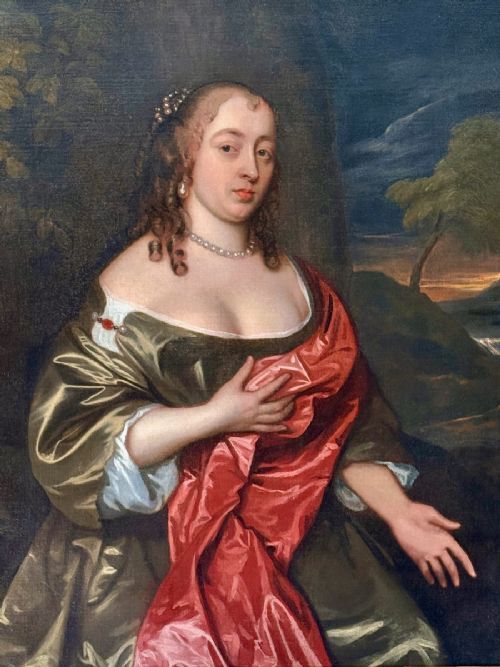
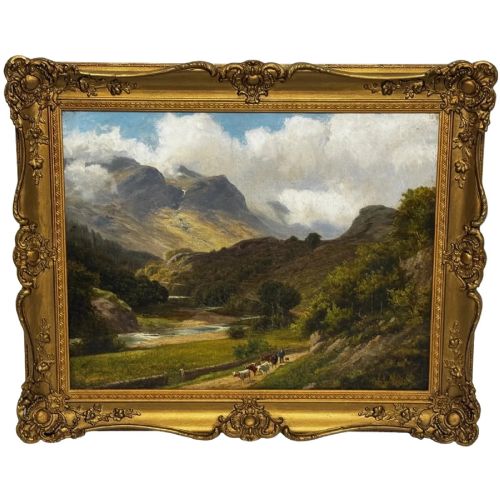
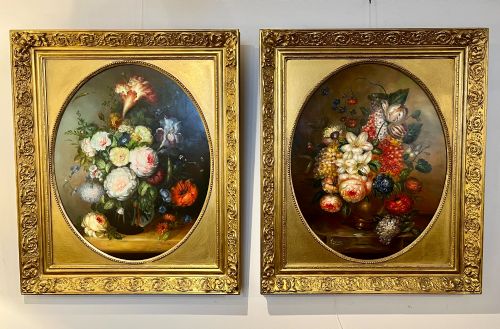
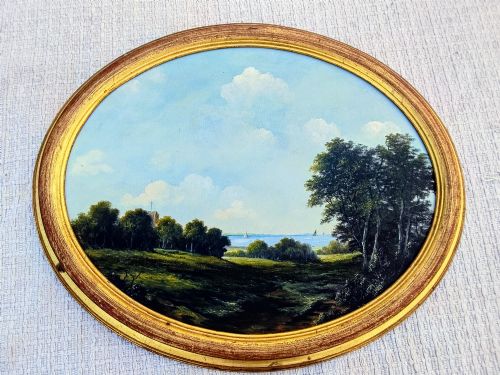
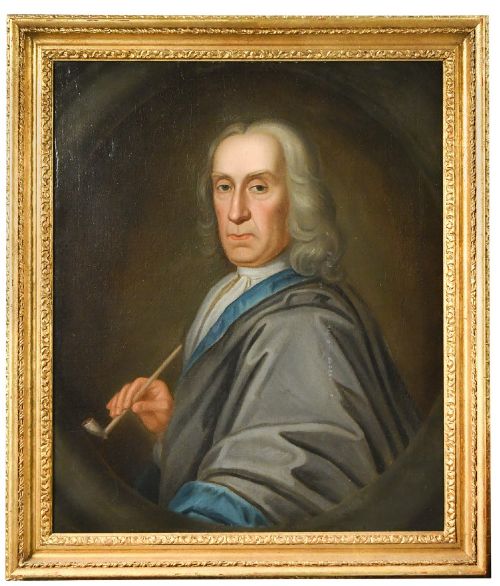
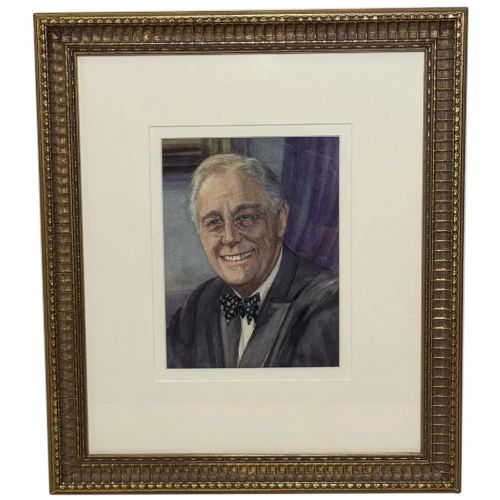
When you search for classic wall decor painting, you encounter a varied assortment of oil paintings and wall art spanning multiple centuries and artistic traditions. These works range from seventeenth-century aristocratic portraits to twentieth-century still life compositions and coastal views.
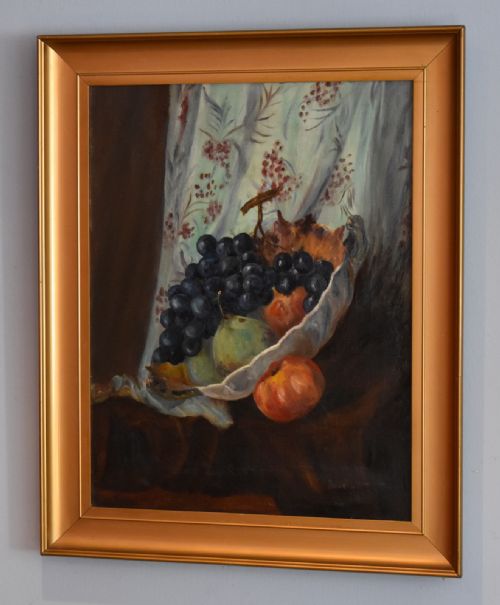
You are most likely to meet traditional oil on canvas portraits or oil on board still life paintings on this page. The selection encompasses distinct periods including the Georgian era, the nineteenth century, and mid-century interpretations.
Subjects stretch from formal depictions of ladies and gentlemen to maritime scenes, animal studies, and fruit arrangements beside Chinese ginger jars. Each piece reflects the decorative taste and portraiture conventions of its specific period.
How they were made
These works rely on oil paint applied to canvas or wood panels, utilising traditional painting techniques developed across centuries. Artists built up layers of pigment to create depth in portraits and texture in still life subjects.
Frames play a significant role in the presentation of these artworks, frequently incorporating gilded wood or gilt frames that complement the painting style. Wood forms the primary structural support for panel paintings and stretcher bars for canvas.
Classic Wall Decor Painting Retail Price Guide 2026
Typical asking prices for classic wall decor painting among the pieces listed under this phrase on Sellingantiques today, from the lower quarter to the upper quarter. They describe what is for sale here now, not the wider market.
Listings feature canvas, wood, and gilded wood materials paired with oil paint across multiple centuries.
What varies in quality
The sophistication of brushwork and the precision of anatomical or botanical detail distinguish finer examples from simpler decorative works. Masterful handling of light, shadow, and facial expression elevates a portrait beyond a mere record of a sitter.
The integrity of the original support materials and the harmony between the painting and its gilded wood frame influence the overall aesthetic success of the piece. Period frames that suit the exact provenance of the canvas hold greater visual coherence.
John Hayls·Franz Xaver Winterhalter·Christoffel Bisschop·E. Cremer
The Classic Wall Decor Painting Glossary
- Oil on canvas
- Pigments mixed with a drying oil applied to stretched woven fabric. This medium allows for rich colour blending and textured brushwork.
- Oil on board
- Pigments applied directly to a rigid wooden or composition panel. This surface provides a firm foundation often utilised for smaller still life and landscape works.
- Gilded wood
- Timber treated with a thin layer of gold leaf or metallic powder. This finish adds reflective brilliance and framing elegance to traditional artworks.
- Still life
- An artwork depicting inanimate subject matter, such as fruit, vessels, and household objects. These compositions highlight the artist's ability to render light, texture, and proportion.
- Portraiture
- The representation of a specific human subject, focusing on likeness, status, and character. Historical examples capture the costume and social conventions of their era.
Classic Wall Decor Painting: Frequently Asked Questions
How do I date a traditional portrait?
Dating relies primarily on the style of costume, hairstyle, and framing conventions visible in the artwork. Comparing these elements with documented portraits from specific centuries provides a reliable guide.
Evidence from nineteenth-century and Georgian pieces shows distinct shifts in portraiture conventions. Painters often mirrored the prevailing aesthetic standards of their specific decade.
What subjects are most common?
Portraits of individuals and still life arrangements of fruit and everyday objects appear most frequently. These traditional genres dominated interior decoration across the seventeenth, eighteenth, and nineteenth centuries.
Landscapes and maritime sea views also feature among the selection. Each subject type served a specific decorative or commemorative purpose in historic interiors.
How should I hang an oil painting?
Oil paintings on canvas or board require stable wall environments away from direct sunlight and excessive humidity. Proper picture wire and secure wall fixings ensure safe weight distribution for framed works.
Matching the scale of the painting to the surrounding wall space maintains visual balance. Heavier gilded wooden frames require robust fixings suited to the wall material.
What is a still life painting?
A still life painting depicts stationary objects such as fruit, ceramics, and household items arranged in a deliberate composition. Artists used these subjects to demonstrate technical skill in rendering texture and light.
Examples range from Dutch Golden Age interpretations to later twentieth-century studies. Ginger jars, walnuts, and seasonal produce frequently form the central elements of these domestic scenes.