


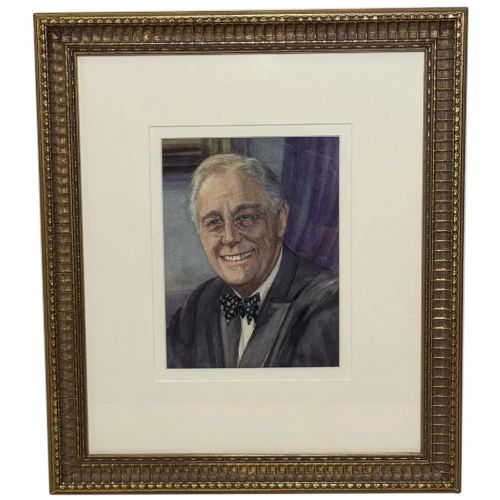
Classic Vintage Portrait Art
Classic vintage portrait art captures human and animal character across centuries through oils, engravings, and busts.
Classic Vintage Portrait Art
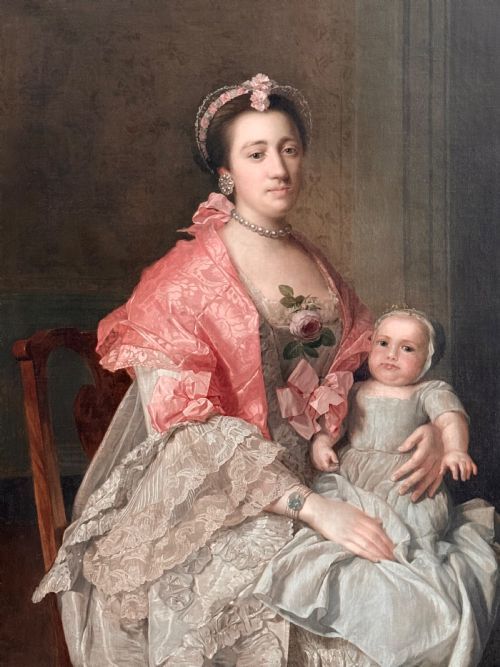
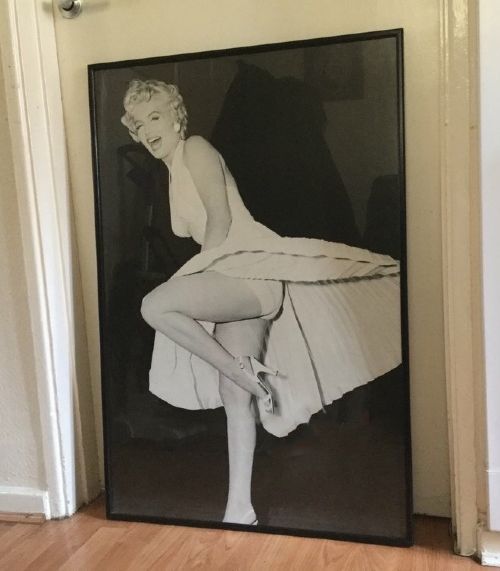
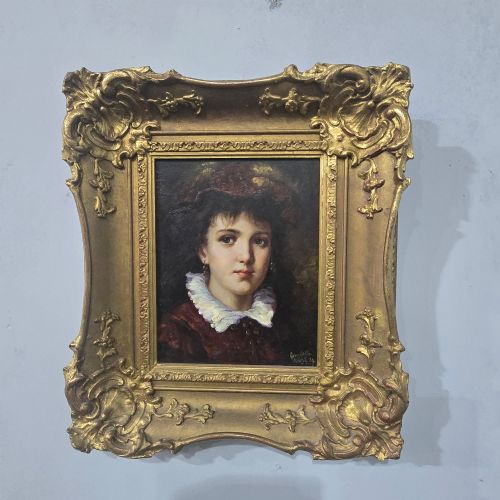
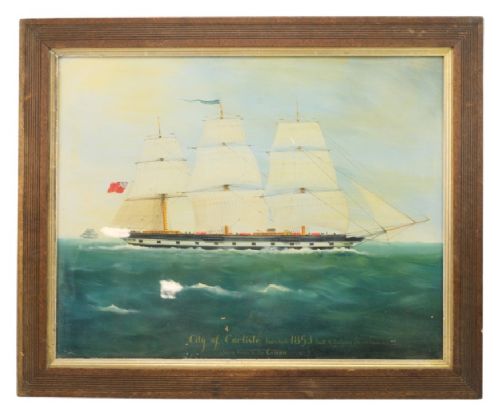
Classic vintage portrait art encompasses framed oil paintings, drawings, engravings, and sculptural busts depicting individuals, groups, and animals. You will frequently encounter nineteenth-century canvases and early twentieth-century works on this page.
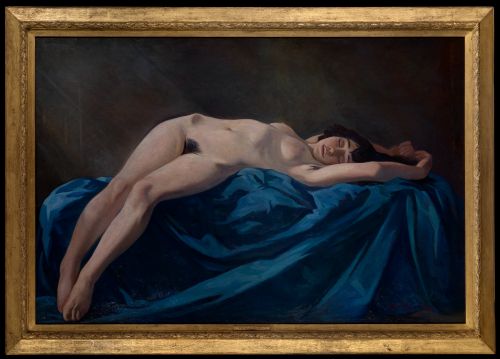
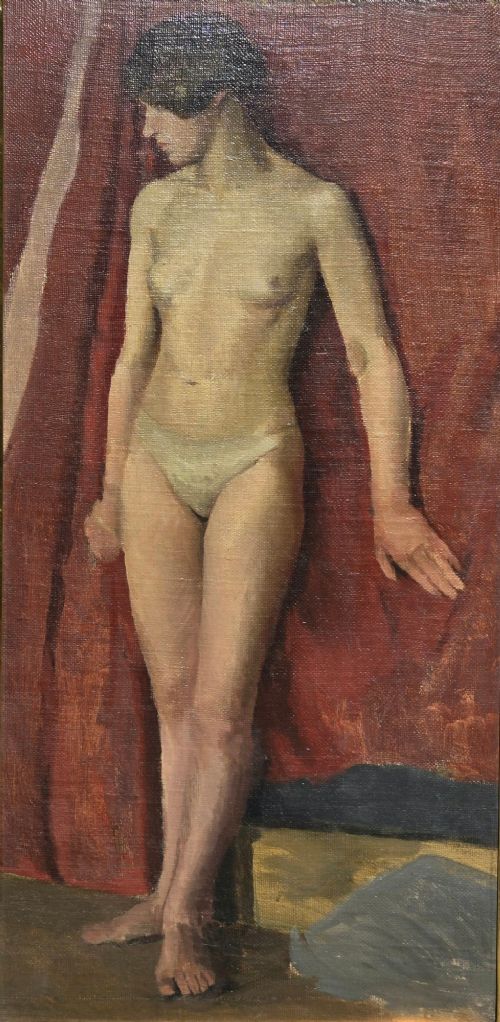
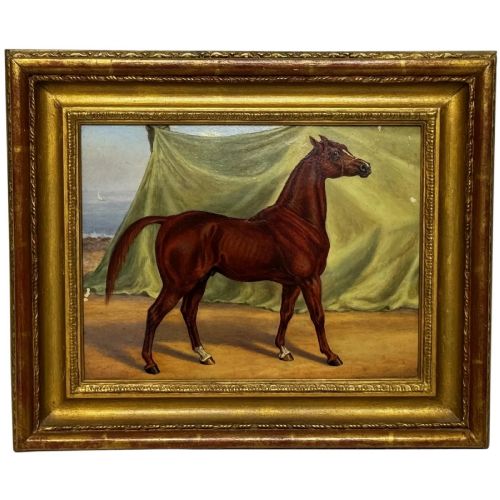
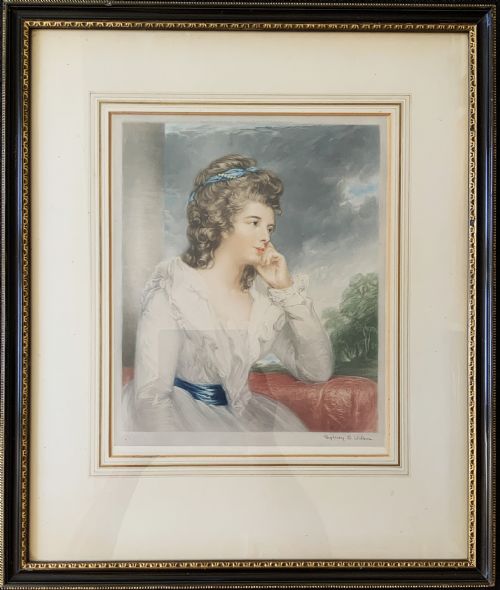
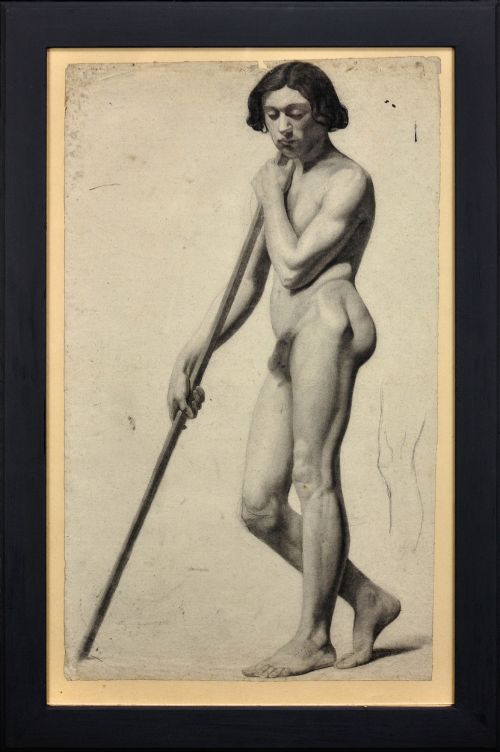
The selections range from academic life studies and formal depictions of historical figures to informal representations of children, dogs, and horses. These pieces reflect diverse periods including the Georgian, Victorian, Edwardian, and mid-century eras.
Originating from British, French, and Italian schools, the works demonstrate varied approaches from strict academic realism to looser early twentieth-century interpretations. Each piece preserves a distinct likeness utilising traditional fine art mediums.
Materials and construction
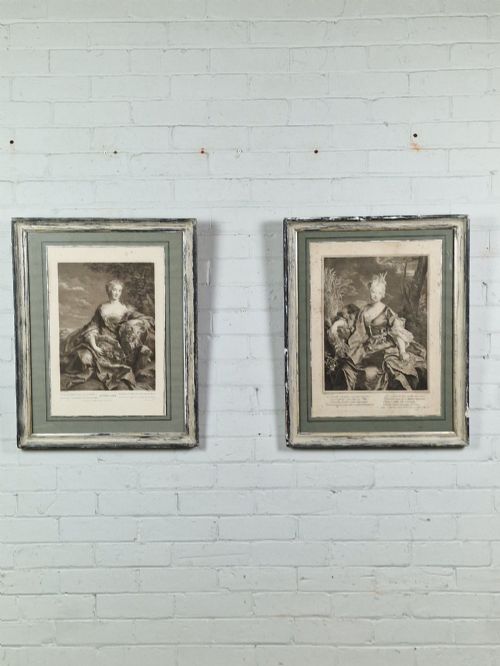
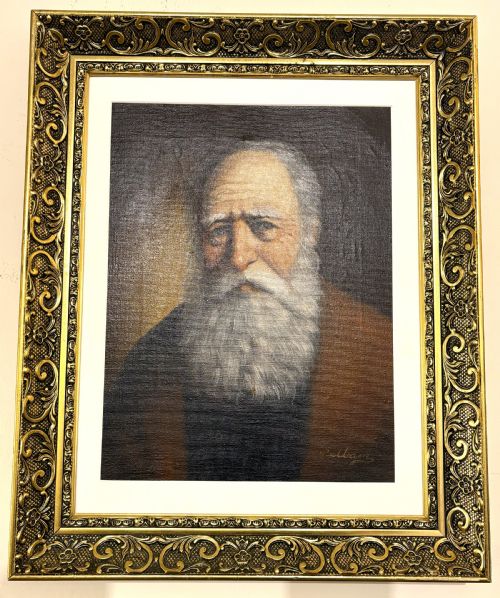
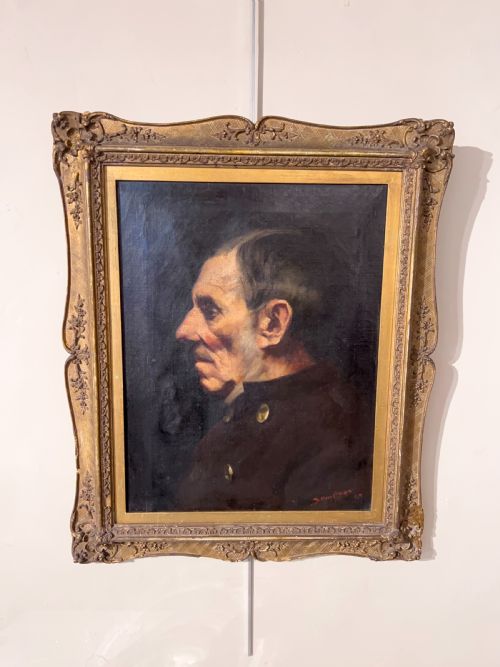
Artists predominantly applied oil paint onto stretched canvas or wooden board, frequently housing the resulting works within original giltwood frames. Paper works employ techniques such as sanguine drawing, mezzotint engraving, and artist proof printing.
Three-dimensional representations utilise materials like alabaster, terracotta, and bronzed plaster to achieve sculpted portrait reliefs and busts. These physical components combine to ensure the long-term survival of each historic likeness.
Several portraits quietly record the steadfast gazes of historic artist dogs and racehorse jockeys alongside human dignitaries.
Distinguishing quality in portraiture
Superior quality rests in the artist's ability to render anatomical precision, expressive depth, and convincing texture within skin, fabric, or hair. Masterful handling of light and shadow elevates a standard likeness into a compelling psychological study.
The integrity of the original support, the preservation of the pigment layer, and the matching quality of the period frame significantly influence the standing of the piece. Works exhibiting documented provenance and exhibition history command stronger consideration.
Eric Robertson·Jonny Gaston·Winifred Rymer·Sydney Wilson·Bertram Priestman·Henry Arthur Roberts·Howard Barron·Attilio Toro·Sir Winston Churchill·S Dennant Moss·Clifton Tomson·Sir Thomas Lawrence·Frank Moss Bennett·Giovanni Battista Moroni·Georges Morin·Jean Denis Maillart·Marcellus Laroon·Harry Clifford Pilsbury
The Classic Vintage Portrait Art Glossary
- Mezzotint engraving
- A printmaking process where the copper plate is roughened to achieve rich tonal gradations and subtle dark-to-light transitions. This technique was frequently utilised for reproducing famous painted portraits.
- Artist proof
- An impression of a print taken before the final edition is produced, typically retained by the artist for personal inspection. These early impressions often display superior crispness.
- Sanguine
- A drawing executed in a reddish-brown chalk material, favoured historically for capturing warm skin tones and rapid preparatory sketches. Artists utilised this medium extensively across the eighteenth and nineteenth centuries.
- Giltwood
- Timber carved and coated with a thin layer of gold leaf or gold paint, commonly utilised for traditional picture frames. The reflective surface complements the oil paintings contained within.
- Academic life study
- A detailed drawing or painting created from a live model, often within a structured institutional setting to master human anatomy. These pieces emphasise technical accuracy over commissioned flattery.
Classic Vintage Portrait Art: Frequently Asked Questions
What defines a vintage portrait?
A vintage portrait is an artistic representation of a specific person or animal created during a past era, typically ranging from the eighteenth to the mid-twentieth century.
These works utilise traditional mediums such as oil on canvas, engraved paper, or sculpted terracotta to capture authentic likenesses and contemporary aesthetics.
How do I care for antique oil portraits?
Antique oil portraits require stable environmental conditions away from direct sunlight and excessive humidity to prevent paint cracking and canvas degradation.
Dust the surface gently with a soft, dry brush and avoid using liquid cleaners or chemical solvents on the painted canvas or giltwood frame.
Are these portraits original artworks?
The selection includes both unique hand-painted oil canvases and authenticated historic print editions such as mezzotint engravings.
Each listing specifies the exact medium and period, distinguishing between one-of-a-kind painted studies and published graphic works.
What periods do these portraits cover?
The available pieces span multiple centuries, incorporating Georgian, Victorian, Edwardian, and mid-century aesthetic movements.
This broad chronological range allows collectors to trace the evolution of portraiture from formal academic realism to freer twentieth-century interpretations.