






Monochrome Pencil Portrait Sketch
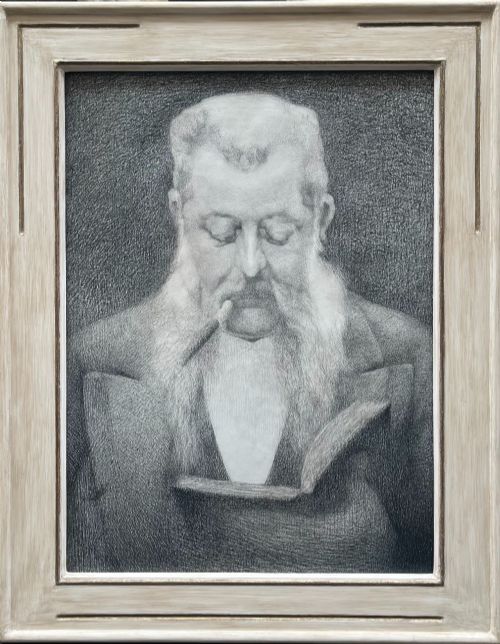
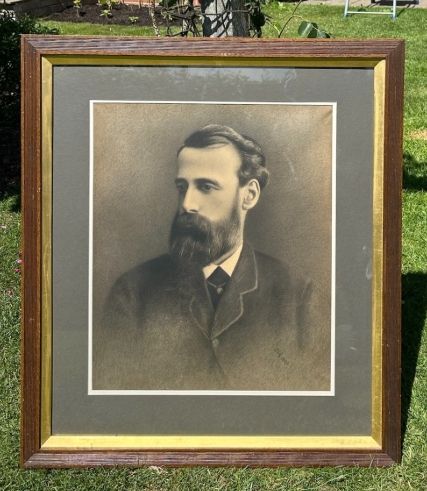
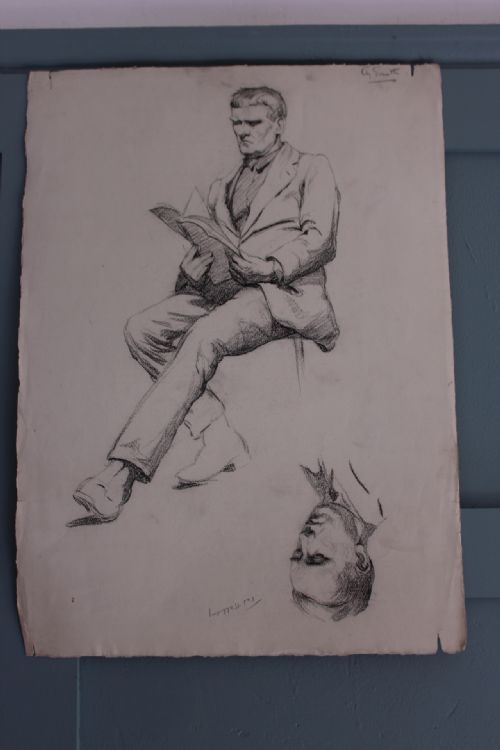
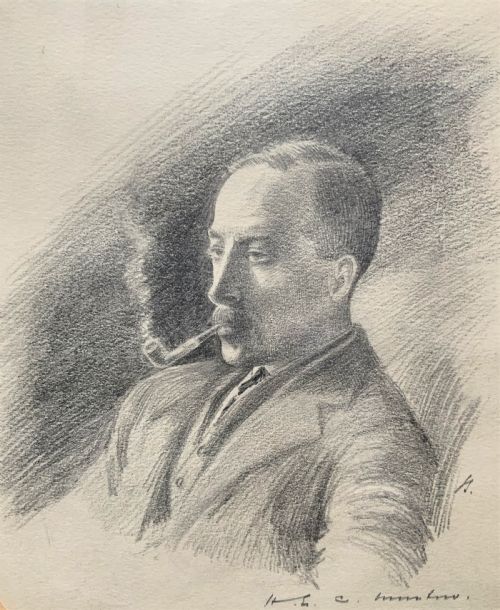
A monochrome pencil portrait sketch offers a direct encounter with a sitter, captured through the simple immediacy of graphite or charcoal on paper.
Monochrome Pencil Portrait Sketch
When you search for a monochrome pencil portrait sketch, you are looking at works on paper that capture human likeness through tonal shading and line. These pieces range from intimate studio studies to finished drawings executed during the eighteenth, nineteenth, and twentieth centuries.
The selections available here cover diverse aesthetic movements, including Victorian, Edwardian, Art Deco, and Mid-Century Modernist examples. You will frequently encounter framed original drawings depicting gentlemen, ladies, and notable historical figures.
Origin points vary widely across the inventory, spanning British, Scottish, Spanish, and African schools. Each drawing records the direct touch of the artist's hand upon the paper support.
Materials and technique
These works rely on graphite pencil, charcoal, and occasionally watercolour wash applied directly to paper supports. Artists built form and shadow through varied pressure, hatching, and blending.
Framing materials such as wood and giltwood frequently accompany the paper sheets, often protected behind glass to preserve the delicate medium.
One portrait captures an explorer described as a bio-pirate, proving that pencil sketches have recorded some remarkably adventurous characters.
What separates the finest examples
Quality in a monochrome pencil portrait sketch rests upon the confidence of the draughtsmanship and the psychological depth of the sitter's representation. A skilled hand conveys bone structure, expression, and personality with minimal strokes.
Condition of the paper support and the clarity of the signature also separate standard studio exercises from distinguished works by named artists.
J D Fergusson·Augustus Edwin John·Charles Prosper Sainton·Faeq Hassan·Ernest Borough Johnson·Francis Dodd·Cecil CP Lawson
The Monochrome Pencil Portrait Sketch Glossary
- Graphite
- A form of crystalline carbon used as a drawing medium in pencils. It produces grey and black tonal marks on paper.
- Charcoal
- A lightweight carbonaceous material made from slowly heated wood, used for producing deep blacks and soft smudged lines in drawings.
- Draughtsmanship
- The artist's skill in drawing and rendering form accurately on a two-dimensional surface.
- Study
- A preparatory or practice drawing made by an artist to explore a subject before executing a larger or finished work.
Monochrome Pencil Portrait Sketch: Frequently Asked Questions
How do I care for a paper drawing?
Keep drawings away from direct sunlight to prevent the paper from yellowing and the graphite from fading over time. Maintaining stable indoor humidity protects the paper support from warping or developing foxing spots.
Ensure the piece remains securely sealed behind glass within its frame to guard against airborne dust and accidental surface marks.
Are these works signed?
Many of the drawings in this selection bear artist signatures, initials, or studio attributions inscribed directly on the paper. Signed pieces often provide a clearer historical link to specific academic or regional schools.
Unsigned studio drawings still offer compelling insights into period techniques and portraiture conventions even without a named hand.
What periods do these sketches represent?
The collection spans multiple centuries, featuring eighteenth-century portraiture alongside nineteenth-century Victorian works and Edwardian examples. Twentieth-century pieces extend into the Art Deco and Mid-Century Modernist eras.
This broad chronological range allows you to trace shifts in portraiture styles from formal academic realism to more expressive modernist approaches.
How were these sketches originally used?
Portraits often served as preliminary studies for larger painted commissions or as finished standalone likenesses commissioned by patrons. Artists also created quick sketches in studios or during travels to record sitters from life.
Over time, many of these intimate works transitioned from working artist portfolios into framed domestic display pieces.