



Grey Graphite Paper Sketch
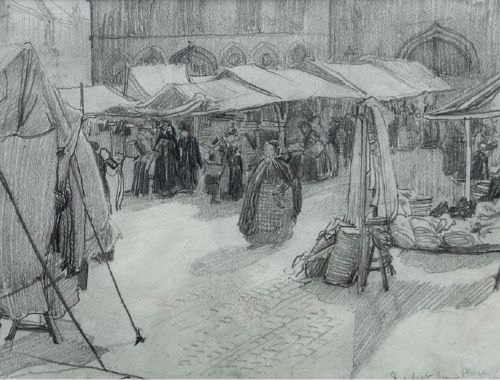
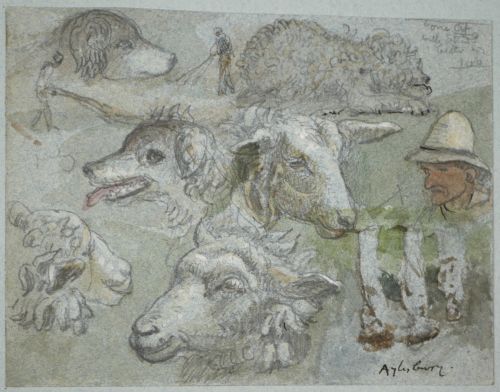
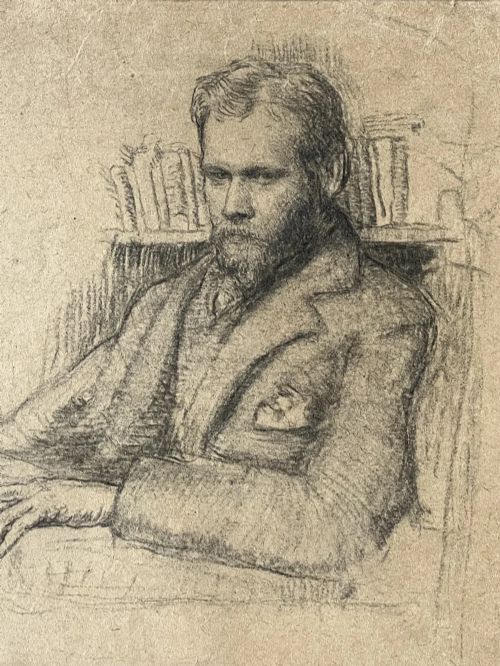
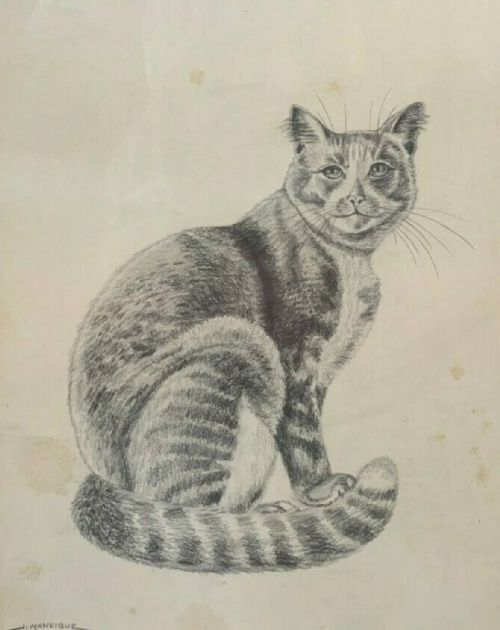
These grey graphite paper sketch works capture the immediacy of an artist's hand, offering intimate studies ranging from Victorian portraiture to early twentieth-century views.
Grey Graphite Paper Sketch
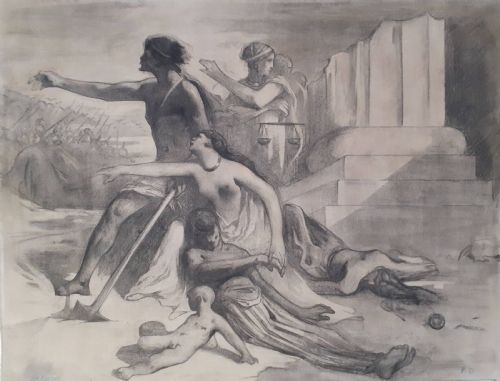
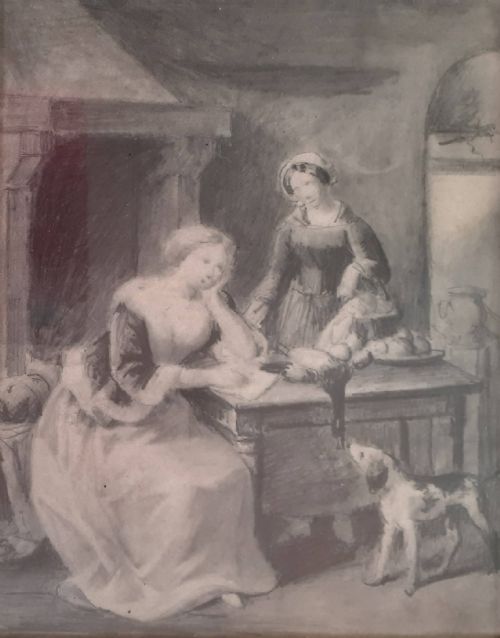
When you search for a grey graphite paper sketch, you are looking at original works on paper spanning the nineteenth and twentieth centuries. These drawings take various forms, including portrait studies, maritime rigging, and architectural street scenes.
The pieces on this page originate from periods such as the Victorian era, the Edwardian period, and mid-century modernism. They include works by named British and French artists, alongside anonymous academic and surrealist compositions.
Subjects range from domestic animals and kitchen scenes to allegorical narratives and theatrical backstage moments. Most are mounted behind glass in wooden frames, preserving the delicate medium for contemporary display.
How they were made
Artists create these works primarily using graphite and pencil mediums applied directly to paper or toned paper sheets. Some compositions incorporate chalk highlights or watercolour washes to add depth and tone to the grey palette.
The physical support typically consists of antique paper housed within wooden framing. Protective glass glazing frequently safeguards the friable graphite and chalk surfaces from environmental degradation.
This selection includes works from the Victorian period, the Edwardian era, and mid-century modernism executed on paper, toned paper, and wood.
What varies in quality
Quality in these drawings rests upon the surety of the line and the expressive capture of the subject. A confident pencil study displays a directness of vision that elevates the piece beyond a simple preparatory exercise.
The condition of the paper and the preservation of the delicate graphite medium also define the standard. Strong provenance and clear attribution to known artists or exhibitions distinguish the finest examples in this category.
Henry Percy Huggill·James Smetham·Augustus John·J Manrique·Dame Laura Knight
The Grey Graphite Paper Sketch Glossary
- Graphite
- A form of crystalline carbon used as a drawing medium. It produces marks ranging from pale silver to deep grey depending on the hardness of the lead.
- Toned Paper
- Paper manufactured with a pre-existing tint or colour rather than plain white. Artists use it to build up highlights with white chalk alongside dark graphite marks.
- Surrealism
- A twentieth-century avant-garde movement exploring the subconscious. Works from this style often feature dreamlike or irrational imagery.
- Academic
- Art executed in accordance with formal European academy standards. These pieces demonstrate rigorous draughtsmanship and adherence to classical training.
- Maritime Art
- Works depicting ships, shipping rigging, and marine subjects. This genre requires precise technical knowledge of naval architecture.
Grey Graphite Paper Sketch: Frequently Asked Questions
What is a grey graphite paper sketch?
It is an original drawing executed with pencil or graphite on paper, often dating from the nineteenth or early twentieth centuries.
These works include quick observational studies, finished portraits, and detailed narrative scenes by various European and British artists.
How should I hang a graphite drawing?
Graphite and paper are sensitive to direct sunlight and moisture. You should place them away from bright windows to prevent fading.
Ensure the framing uses conservation-grade materials and glass to protect the delicate surface from humidity.
Are these drawings original works?
Every piece listed under this search phrase is an original work of art rather than a modern reproduction or print.
They display the distinct hand-drawn lines, smudges, and paper textures unique to individual artistic creation.
How do I identify the date of a sketch?
Dating relies on stylistic evidence, signatures, artist lifespan records, and the characteristics of the paper stock used.
Victorian and Edwardian works often show specific subject matter and framing techniques typical of their respective eras.