
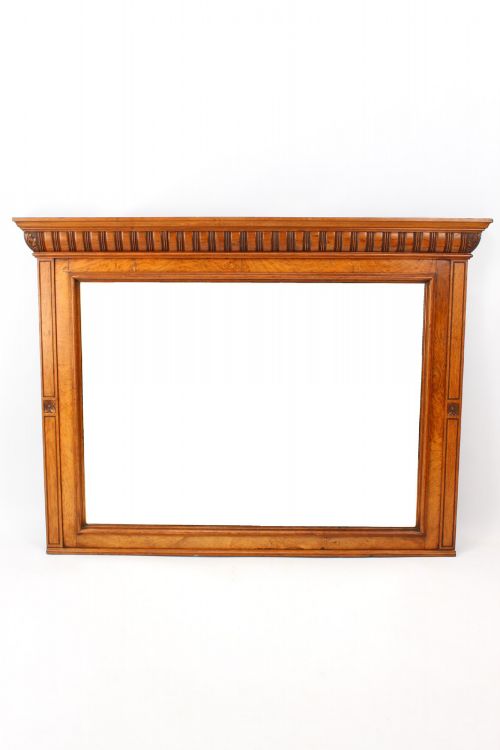


Classic Victorian Wall Mirror
A classic victorian wall mirror brings genuine architectural weight and bright reflection into a room.
Classic Victorian Wall Mirror
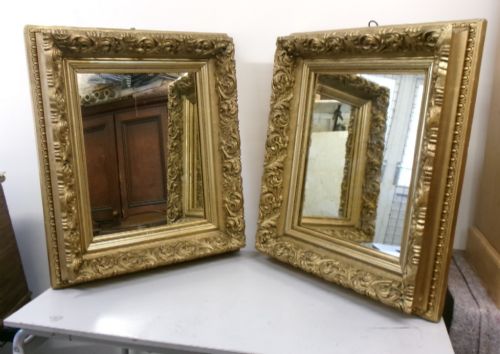
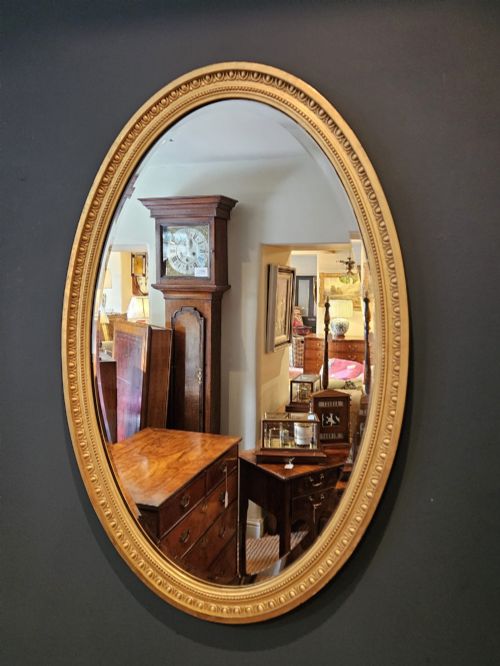
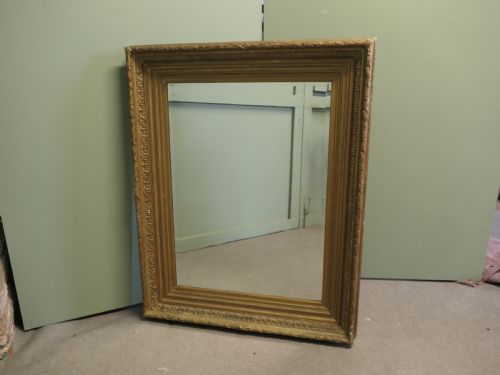
A classic victorian wall mirror encompasses substantial overmantels, tall pier glasses, and smaller oval frames designed for domestic spaces. You are most likely to meet heavily gilded gesso overmantel mirrors alongside mahogany and rosewood frames dating through the nineteenth century.
The selection ranges from architectural arched top designs meant for chimney breasts to carved wooden frames reflecting classical and italianate tastes. These pieces demonstrate the varied output of nineteenth century workshops, blending utility with formal decoration.
Materials and technique
Frames are constructed from woods such as mahogany, oak, and walnut, frequently finished with carved gesso and applied gold leaf or gilt. Composition ornament provides intricate relief detail on larger wall and overmantel mirrors.
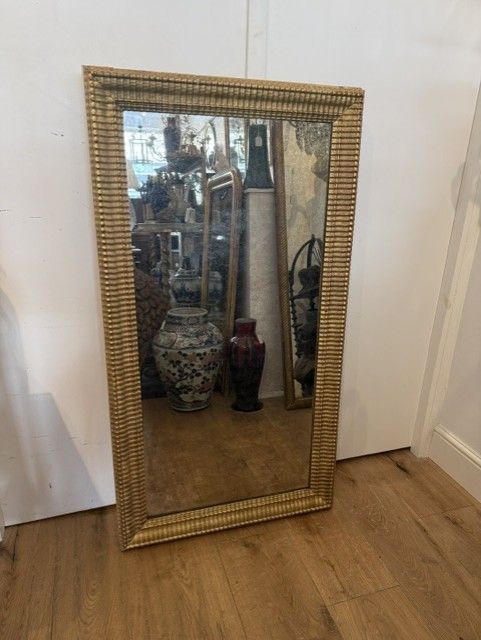
Original mercury plates appear alongside standard glass, set within frames joined by traditional methods. Gilding techniques utilise layers of gold leaf or gilt applied over prepared grounds.
Materials recorded across the inventory include giltwood, gesso, mahogany, rosewood, oak, composition, and original mercury plate glass.
Variations in quality
The depth and crispness of the hand-carved woodwork or moulded gesso relief separate standard production from superior examples. Finely detailed frames maintain sharper enrichment around margins and corners.
The preservation of original gilding and the clarity of early mirror plates significantly influence the character of the piece. Substantial timber construction and intact original backing boards indicate higher workshop standards.
The Classic Victorian Wall Mirror Glossary
- Gesso
- A plaster-based material applied to wood frames to create a smooth surface for gilding or painting. It is often moulded into relief decoration.
- Overmantel mirror
- A large horizontal mirror designed specifically to hang on the wall directly above a fireplace mantelpiece. These pieces frequently feature arched tops.
- Pier glass
- A tall, narrow mirror designed to be hung on the pier of wall space between two windows. They match console tables or sit above lower furniture.
- Giltwood
- Timber that has been coated with thin leaves of gold or gold-coloured metal. This finish provides a bright reflective surface that catches natural light.
Classic Victorian Wall Mirror: Frequently Asked Questions
How do I hang a heavy overmantel mirror?
Substantial mirrors require secure fixing directly into wall studs or masonry using heavy-duty brackets. Professional installation is recommended due to the combined weight of timber, gesso, and glass.
Ensure the hanging wire or integrated D-rings are rated for the specific weight of the frame. Wall anchors must distribute the load safely across the mounting surface.
What is a mercury plate?
A mercury plate refers to older mirror glass manufactured using a tin-amalgam backing technique. This process creates a characteristic mottled appearance and softer reflection than modern float glass.
These plates often display slight foxing or dark spots, which are accepted signs of age rather than damage. They contribute significantly to the authentic visual weight of nineteenth-century pieces.
Are these mirrors original to the nineteenth century?
The listings include pieces produced during the victorian era, alongside occasional earlier georgian examples and later revival styles. Materials such as gesso, mahogany, and giltwood align with nineteenth-century manufacturing methods.
Construction details, timber types, and plate characteristics help establish the period of origin. Documentation and dealer descriptions provide specific dating where recorded.