
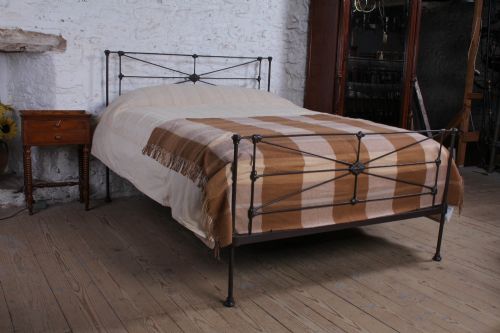


Classic Victorian Bed Frame
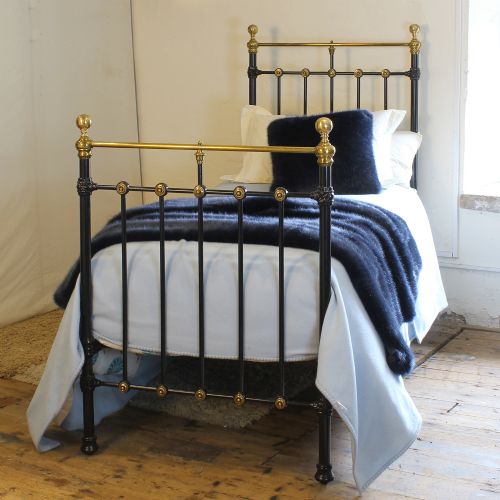
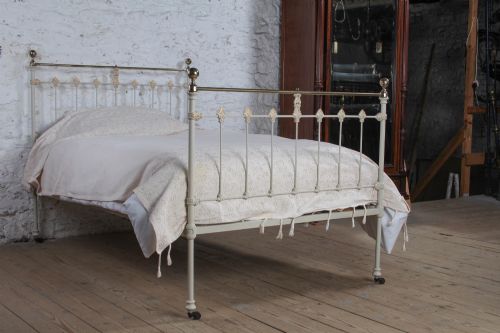
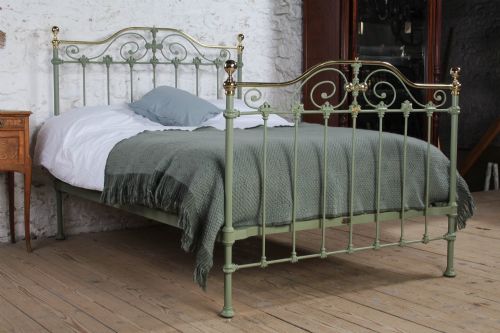
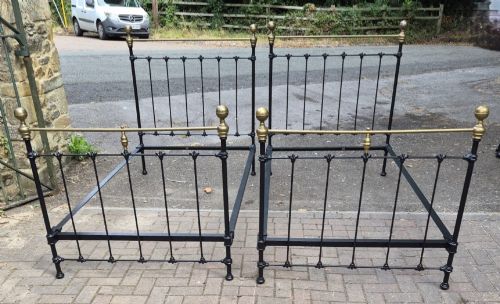
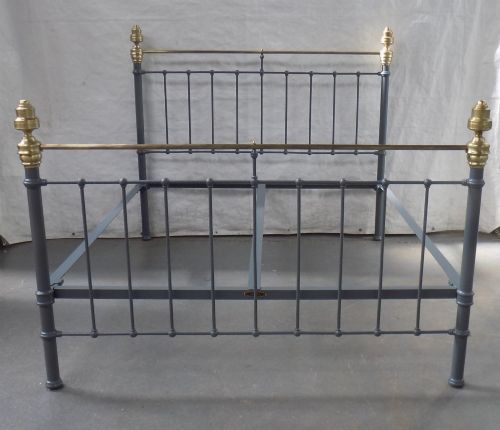
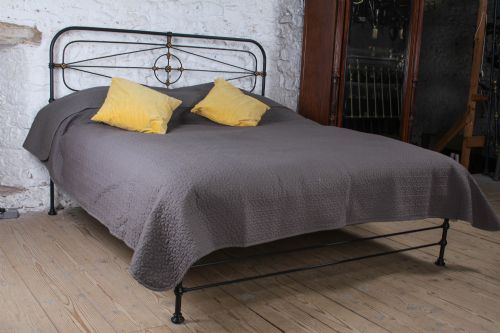
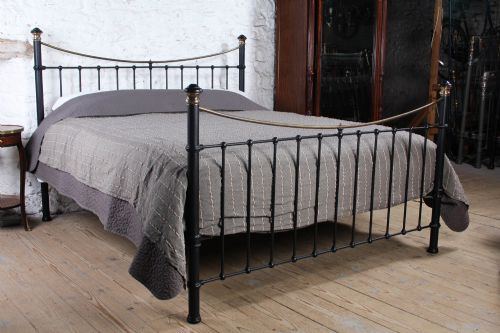
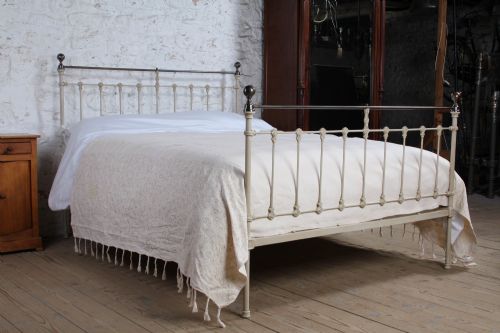
A classic victorian bed frame brings substantial nineteenth century metalwork and timber into the bedroom, offering robust joints and distinctive period character.
Classic Victorian Bed Frame
A classic victorian bed frame encompasses substantial nineteenth century metal and wood furniture designed for domestic sleeping quarters. Buyers searching this phrase encounter sturdy bedsteads originating from the Victorian and Edwardian eras, alongside related 19th Century and early twentieth century examples.
Most pieces display straightforward straight rails, decorative green or black colouration, and traditional proportions suited to contemporary mattress sizes. Variations span French country influences, Irish no end designs, and classic dip rail configurations.
How they were made
Construction relies heavily on durable structural metals including cast iron, wrought iron, and brass components. Makers joined heavy metal tubing and decorative castings to create rigid, long-lasting bedsteads.
Selected pieces incorporate painted metal finishes in black, cream, and green alongside traditional mahogany timber elements. Metal components often feature makers marks, ribbon reed detailing, and robust mechanical joints.
Some nineteenth century iron beds carry factory stamps so obscure they reveal workshops that even local historians forgot.
What varies in quality
Quality rests on the integrity of the original metal castings and the crispness of brass detailing. Finer examples display clean lines, well-preserved maker marks, and substantial gauge iron that resists flexing.
The presence of sophisticated decorative elements such as ribbon reed moulding, complex dip rails, and substantial brass mounts elevates the piece above standard utilitarian frames. Surface finish preservation also dictates the visual appeal of painted and patinated metal surfaces.
Winfield·Howard And Sons
The Classic Victorian Bed Frame Glossary
- Bedstead
- The structural framework of a bed, comprising headboard, footboard, and side rails. This term frequently appears interchangeably with bed frame in nineteenth century furniture.
- Dip Rail
- A headboard or footboard top rail that curves downward toward the centre. This configuration offers a softer silhouette than rigid horizontal straight rails.
- Makers Mark
- An identifying stamp, cast insignia, or plaque applied by the original manufacturer. Such marks confirm workshop origins and help date the metalwork.
- Ribbon Reed
- A decorative raised moulding resembling tied reeds or ribbons applied to metal tubing. This ornamental detail marks more ornate nineteenth century production.
- Four Poster
- A bed featuring four vertical posts supporting an upper canopy frame. These substantial timber structures represent high status sleeping furniture from the period.
Classic Victorian Bed Frame: Frequently Asked Questions
Will a standard modern mattress fit these frames?
Most classic victorian bed frames accommodate standard modern mattress dimensions, though historical widths can vary slightly from contemporary sizing. Checking the exact internal width and length measurements provided in each listing ensures a proper fit for your mattress.
For non-standard dimensions such as three quarter sizes, custom mattress ordering may be necessary to achieve a secure fit within the antique side rails.
How do I assemble an antique metal bed?
Antique metal bedframes typically utilise tapered wedge joints or bolt connections at the four corners where the side rails meet the headboard and footboard. Assembly involves slotting or bolting these heavy iron and brass components together without the need for complex modern hardware.
Two people are usually required to safely handle the heavy cast iron and brass sections during the assembly process to avoid damaging painted or patinated surfaces.
Can these beds be dismantled for moving?
The vast majority of these iron and brass bedsteads completely dismantle into separate headboards, footboards, and side rails. This modular construction makes transporting and positioning the heavy furniture through narrow hallways and up stairs manageable.
Care should be taken with older threaded bolts and decorative brass fittings during disassembly to preserve the original nineteenth century metalwork.
How do I clean and maintain painted iron?
Painted metal and brass surfaces require only gentle cleaning with a soft, dry or slightly damp cloth to remove dust. Abrasive cleaners and harsh chemical polishes must be avoided to protect the original painted finishes and patinated brass details.
Regular inspection of joint connections and occasional light oiling of moving bolt threads keeps the structural framework stable and secure over years of daily use.