
Classic Swiss Watch
A classic swiss watch carries the mechanical precision and understated proportions of mid-century horology on the wrist.
Classic Swiss Watch
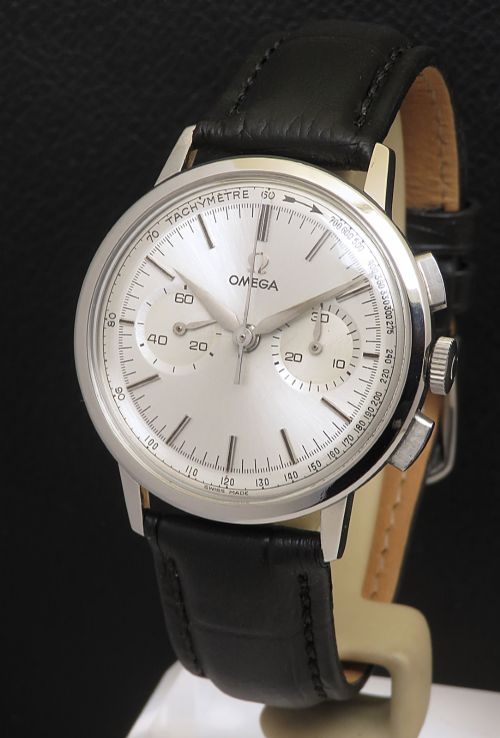
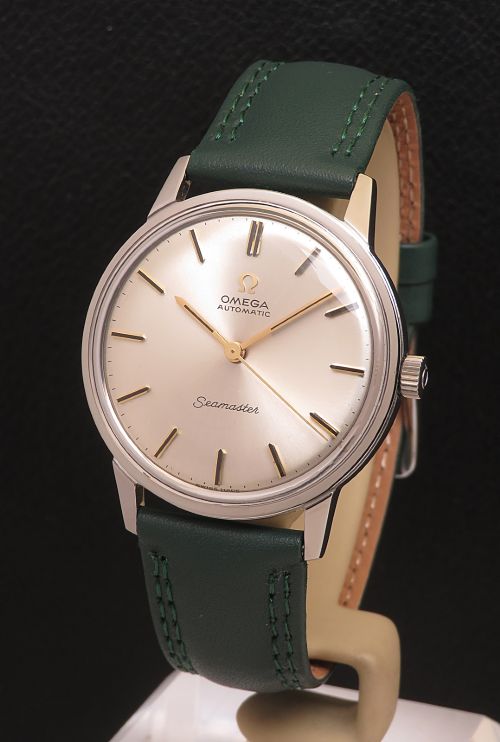
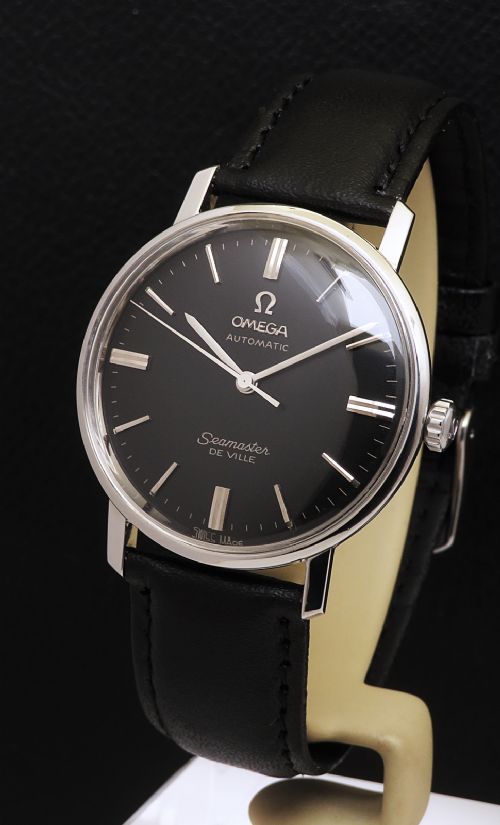
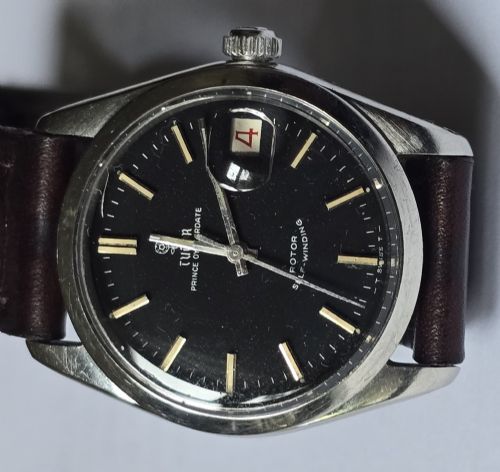
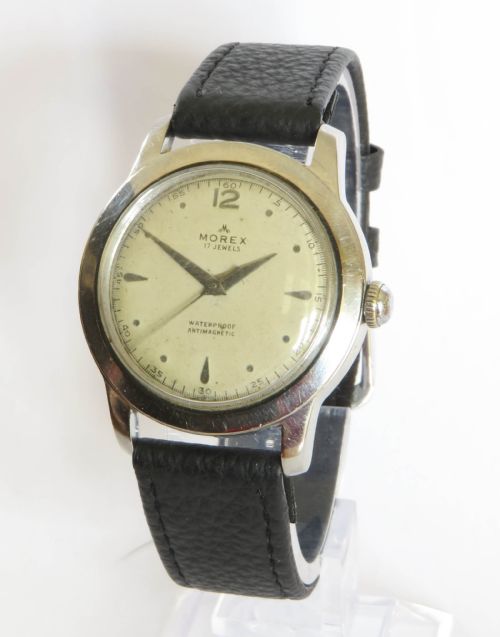
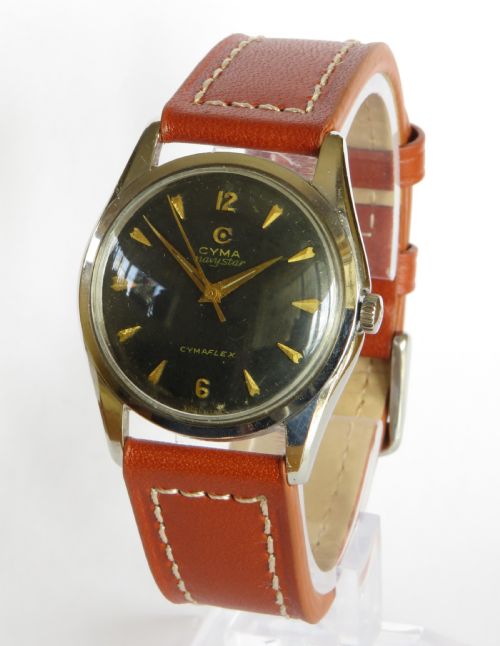
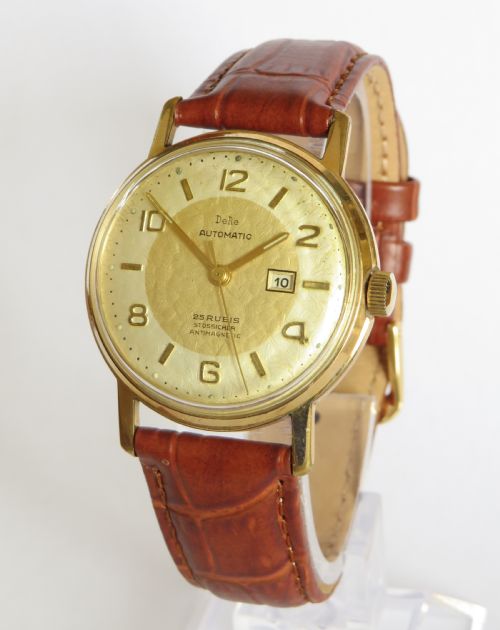
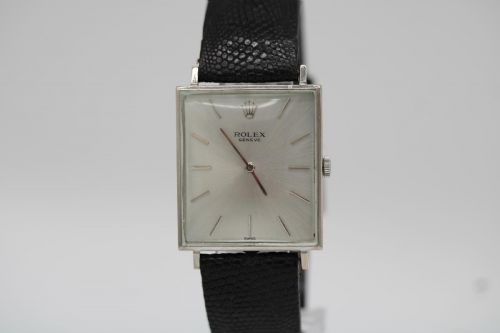
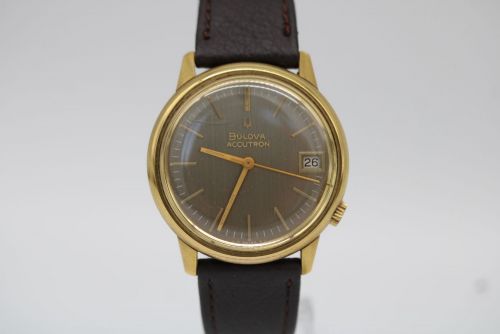
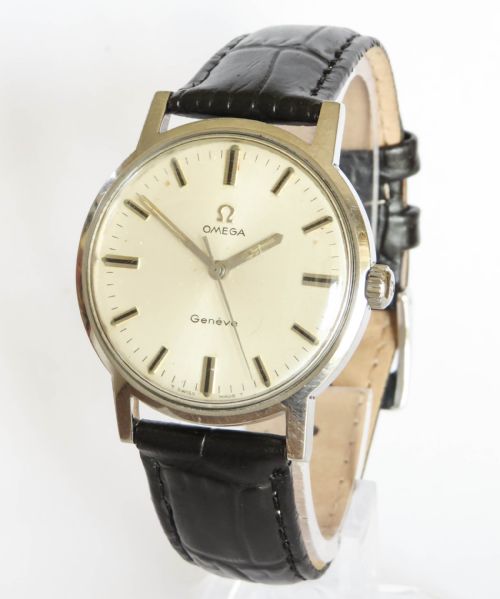
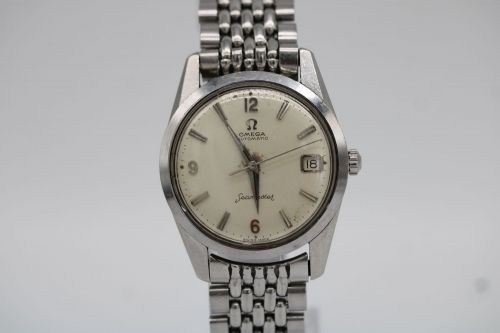
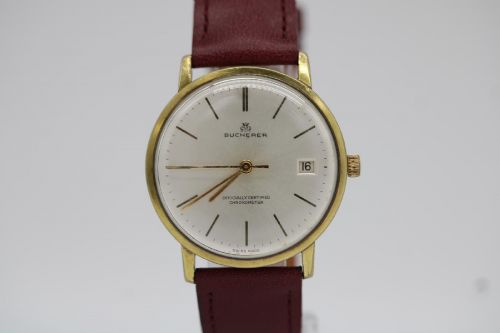
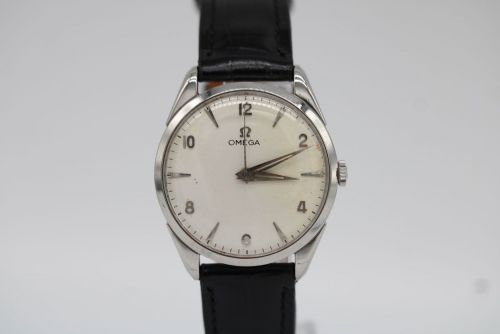
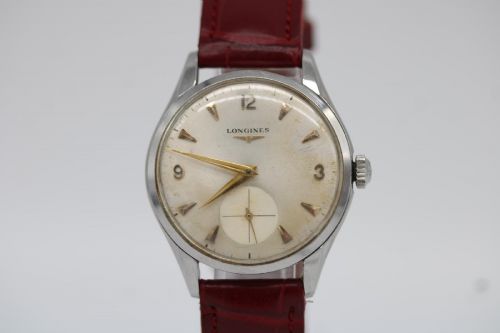
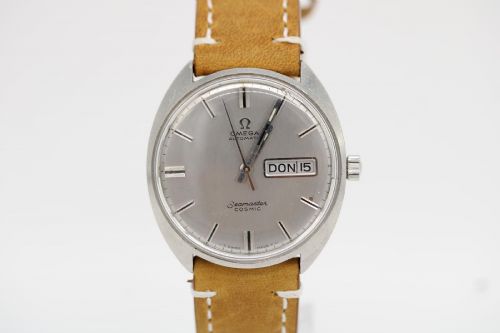
When a buyer searches for a classic swiss watch, they encounter mechanical wristwatches spanning from the 1930s through the 1970s. The most prevalent versions on this page originate from the 1950s and 1960s, embodying mid-century design principles.
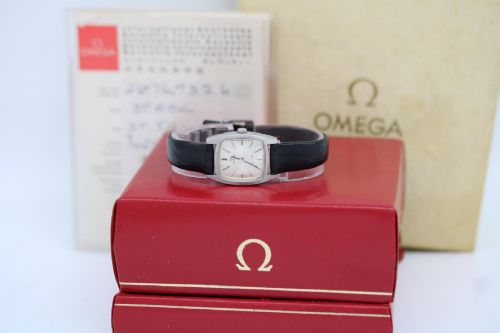
These pieces primarily take the form of gents wristwatches, alongside select ladies models. The selection ranges from robust manual wind calibres to automatic movements housed in round cases.
Makers such as Omega, Longines, and Tudor dominate the offerings, often presenting recognisable lines like the Seamaster or the Prince Oysterdate. Buyers find both stainless steel daily wearers and solid 9ct gold dress variants among the current selection.
Casings and Mechanical Calibres
The construction of these watches relies on durable metals, predominantly stainless steel and gold plated metal, alongside solid 9ct and 18ct white gold for higher tier pieces. Acrylic or acrylic glass protects the dial, maintaining the authentic profile of the period.
Movements are intricate mechanical assemblies, comprising manual wind calibres and automatic winding mechanisms engineered by Swiss horologists. Leather straps complete the construction, paired with original buckles where preserved.
Listings span four decades from the 1930s to the 1970s, featuring stainless steel, gold plate, and solid 9ct gold cases.
Movement Integrity and Dial Preservation
Quality in a classic swiss watch is dictated by the preservation of the dial and the mechanical health of the calibre. Original dials showing minimal patina or clean patinated surfaces command greater regard than altered faces.
The degree of restoration also defines the grade of the piece, where fully serviced movements and retained original components such as signed crowns and casebacks elevate the standard of the watch.
Omega·Tudor·Longines·Bulova·Cyma·Eterna·Girard Perregaux
The Classic Swiss Watch Glossary
- Calibre
- The internal movement or mechanism of a watch, designated by the manufacturer by a specific number or name.
- Automatic
- A self-winding mechanical movement that uses the natural motion of the wearer's wrist to power the mainspring.
- Manual Wind
- A mechanical movement that requires the wearer to manually turn the crown to wind the mainspring.
- Oysterdate
- A trademarked case construction featuring a waterproof screw-down crown combined with a date complication.
- Patina
- The natural ageing of the dial surface over decades, often resulting in subtle colour changes valued by collectors.
Classic Swiss Watch: Frequently Asked Questions
How do I wind a manual watch?
Gently rotate the crown clockwise between your thumb and forefinger until you feel slight resistance. Stop immediately at this point to avoid overwinding and straining the mainspring.
For daily wear, perform this action at the same time each morning. This maintains consistent tension and keeps the movement running accurately throughout the day.
Are vintage watches waterproof?
Most vintage pieces lack the modern rubber gaskets and screw-down systems required for reliable water resistance. Even models marked with water-resistant terms should be kept away from water.
Exposure to moisture can seep past the crown or crystal and rust the delicate steel components inside. Treat these items as strictly non-waterproof.
How often need they be serviced?
Mechanical watch movements require periodic professional cleaning and lubrication to prevent wear on the metal gears. A service interval of every three to five years is standard practice.
During this process, a watchmaker disassembles the calibre, cleans the parts in specialised solutions, and applies fresh oils. This ensures the longevity of the movement.
Can I replace the leather strap?
Leather straps wear out over time and replacement is a standard part of owning a vintage wristwatch. Standard spring bars secure the strap to the lugs, allowing straightforward removal.
Choose a strap width that matches the lug spacing precisely to maintain proper alignment. Retain original buckles where possible to preserve the historical integrity of the piece.