

Classic Style Table
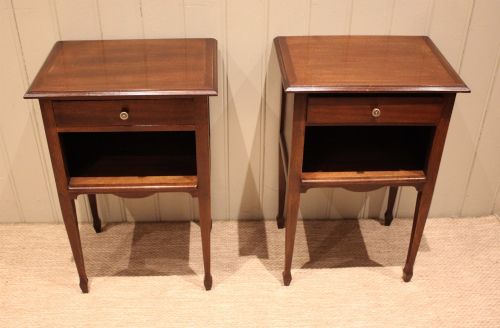
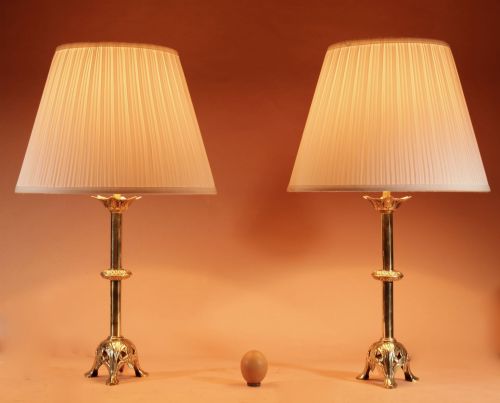
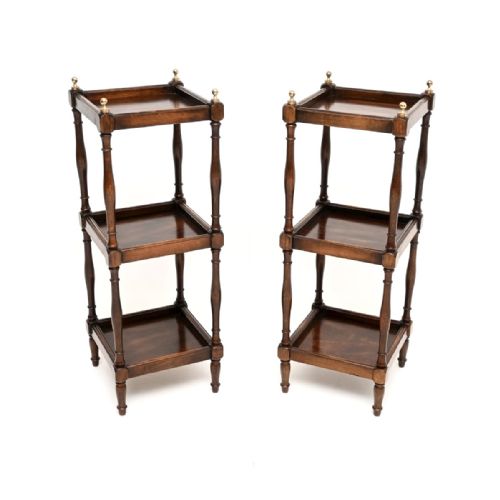
These pieces sold under classic style table bring traditional timber forms and metal lighting into a room, offering the proportion and finish found across earlier centuries.
Classic Style Table
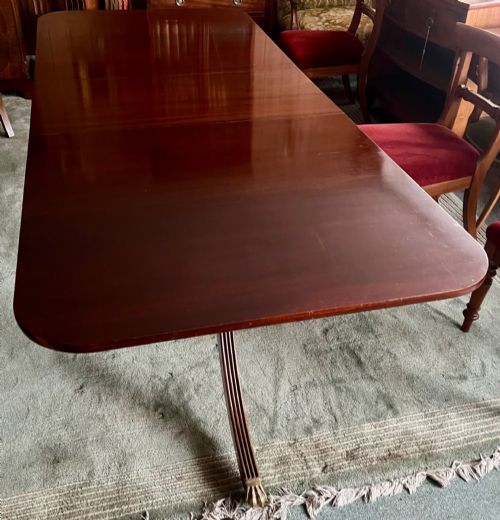
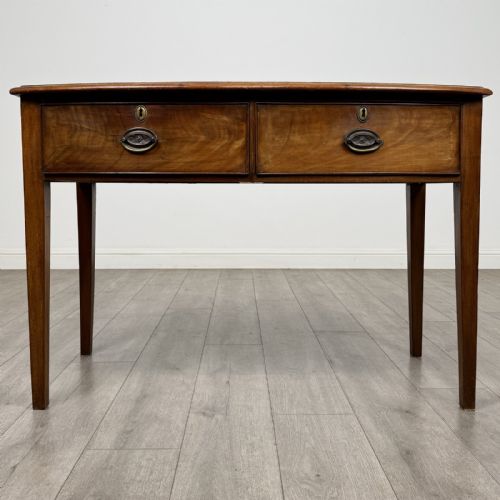
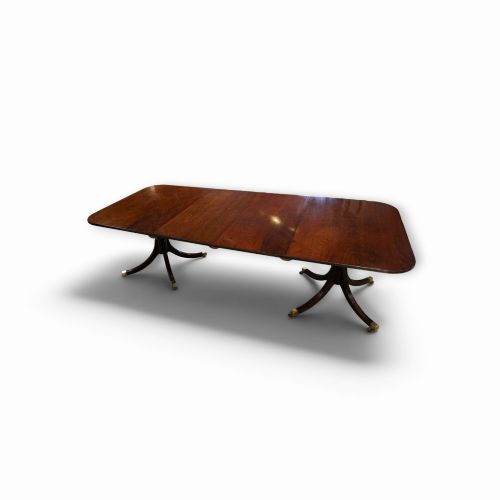
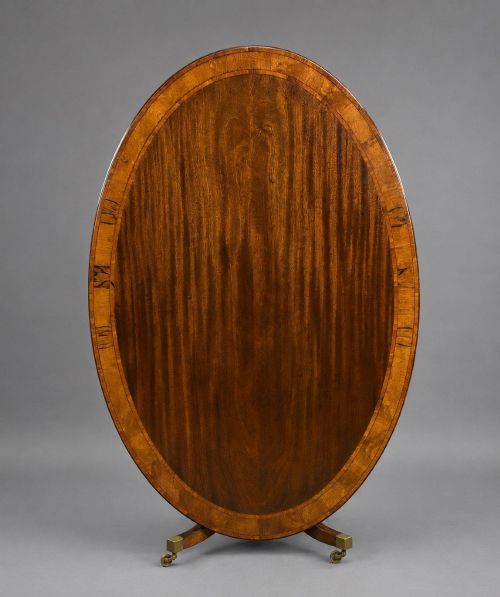
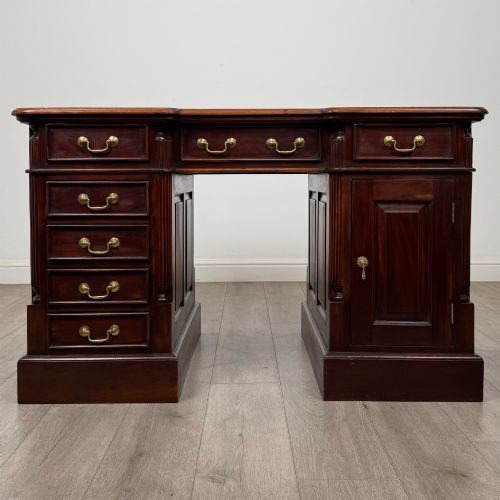
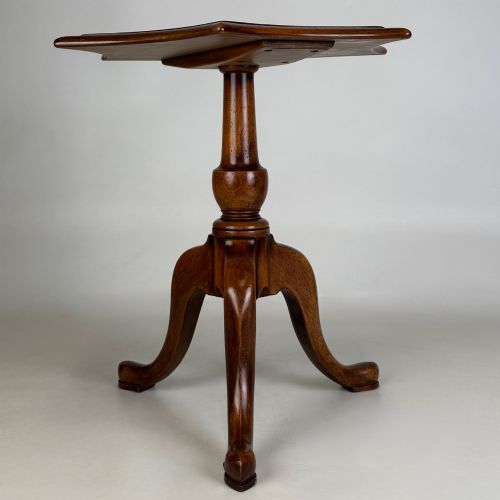
A classic style table spans dining tables, side tables, desks, and coffee tables produced across the nineteenth and twentieth centuries. The selection leans heavily toward mahogany dining tables and desks built in Georgian, Regency, and Edwardian revivals.
Buyers also encounter occasional walnut, burr birch, and pine examples alongside smaller lamp and side tables. These pieces provide the architectural lines and period details associated with formal British and continental interiors.
Materials and construction methods
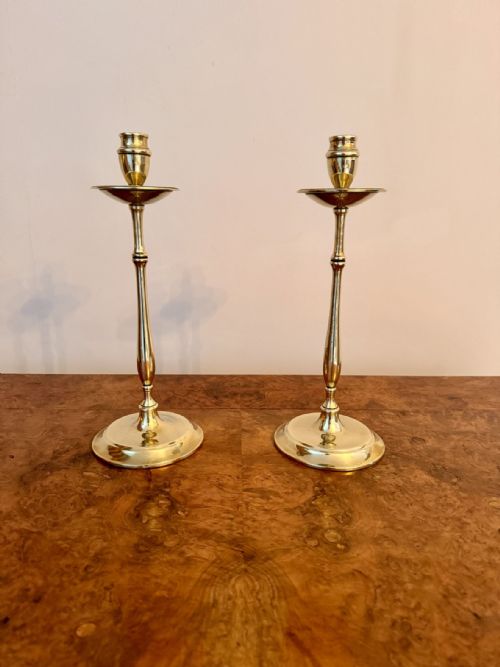
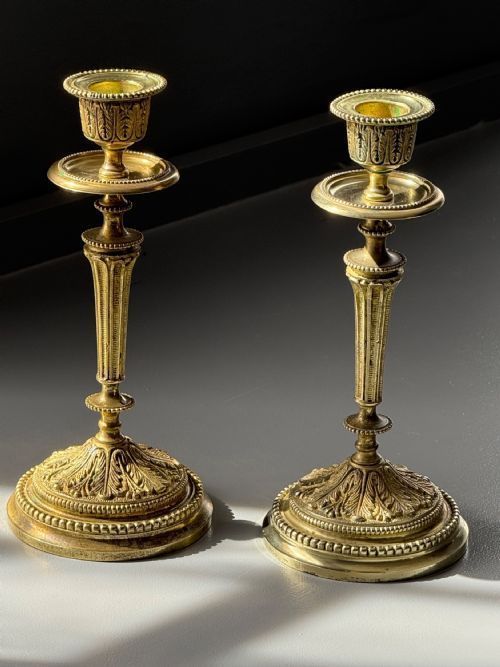
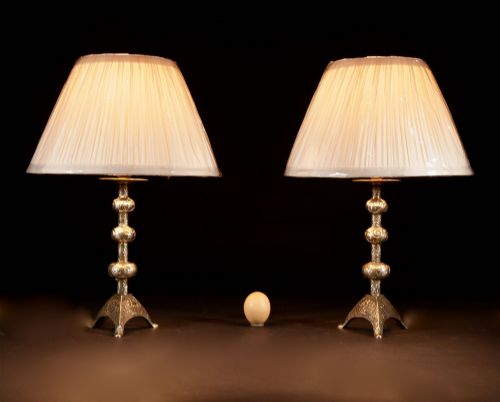
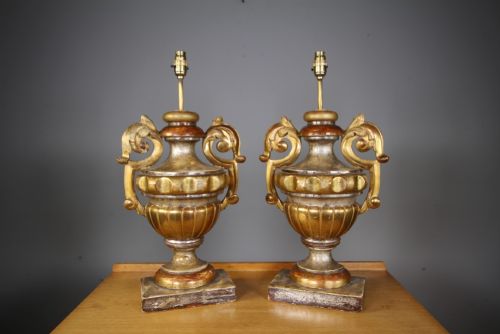
Gilt bronze, ormolu, and cast brass appear on lighting and candlesticks, while auxiliary materials include marble, alabaster, leather, and toleware. Joinery relies on traditional cabinet-making techniques appropriate to each period.
Classic Style Table Retail Price Guide 2026
Typical asking prices for classic style table among the pieces listed under this phrase on Sellingantiques today, from the lower quarter to the upper quarter. They describe what is for sale here now, not the wider market.
A bronze cherub statuette found a second career holding a lightbulb.
Distinctions in quality
Quality rests in the selection of timber grain, such as figured flame mahogany and burr birch, matched with crispness in carved mouldings and cast brass elements. Finer examples display meticulous attention to proportion and secondary timbers.
The integrity of the construction and the subtlety of period revival styling separate superior pieces from simpler utilitarian items. Original patination and restrained decorative details mark out the upper tier of these furnishings.
Garrards·Epstein and Co
The Classic Style Table Glossary
- Regency revival
- A nineteenth or twentieth-century interpretation of furniture styles from the British Regency period, marked by classical restraint and sabre legs.
- Flame mahogany
- A decorative veneer cut from where a branch joins the main tree, producing a distinctive fire-like flame pattern.
- Ormolu
- Gilt bronze ornamentation applied to furniture and lighting, popular in French and continental decorative arts.
- Pedestal desk
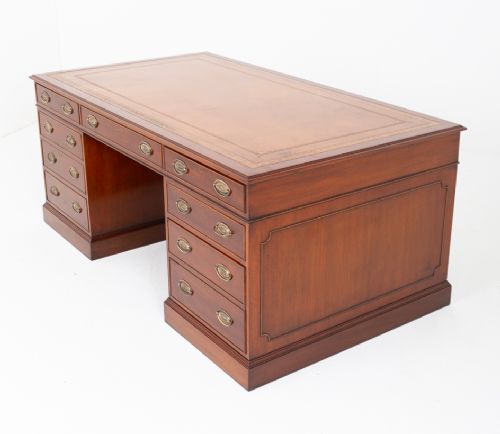
- A heavy writing table consisting of two box-like pedestals supporting a top, often with drawers and a central recess.
- Satinwood
- A durable, lustrous yellow-brown timber utilised for banding and inlay work on fine cabinet furniture.
Classic Style Table: Frequently Asked Questions
What defines a classic style table?
These pieces follow traditional historical forms, predominantly drawn from Georgian, Regency, and Edwardian design idioms. They utilise established materials like mahogany, brass, and walnut to maintain formal silhouettes.
Such items serve functional roles as dining surfaces, writing desks, and lamp stands while referencing earlier cabinet-making traditions. Their design focuses on proportion, symmetry, and historical decorative motifs.
How do I identify the period?
Dating relies on observing construction methods, timber choices, and stylistic revival markers rather than a single feature. Pieces built during the Edwardian era or the interwar decades often reinterpret eighteenth-century proportions.
Examine the secondary timbers, drawer linings, and hardware for clues to manufacture date. Revival pieces frequently incorporate manufacturing techniques contemporary to their actual workshop origin.
Where should I place a desk?
Pedestal desks and writing tables suit studies, libraries, or principal reception rooms where they can function as central focal points. Freestanding partners desks allow access from multiple sides within an open floor plan.
Position timber surfaces away from direct heat sources and strong sunlight to protect finishes and veneers. Adequate clearance around pedestals ensures comfortable seating and movement.
How do I care for mahogany?
Maintenance involves dusting with a soft, dry cloth and avoiding silicone-based polishes that build up over time. Natural wax applied sparingly helps preserve the sheen of the timber and protects the surface.
Keep ambient humidity stable to prevent timber movement or veneer lifting. Promptly attend to spills using a damp cloth followed immediately by thorough drying.