




Classic Red Area Rug
When you search for a classic red area rug, you enter a world of hand-knotted Persian, Caucasian, and Anatolian floor coverings shaped by centuries of tradition.
Classic Red Area Rug
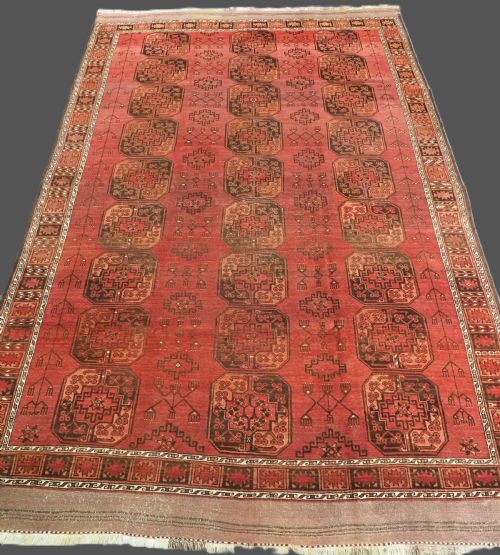
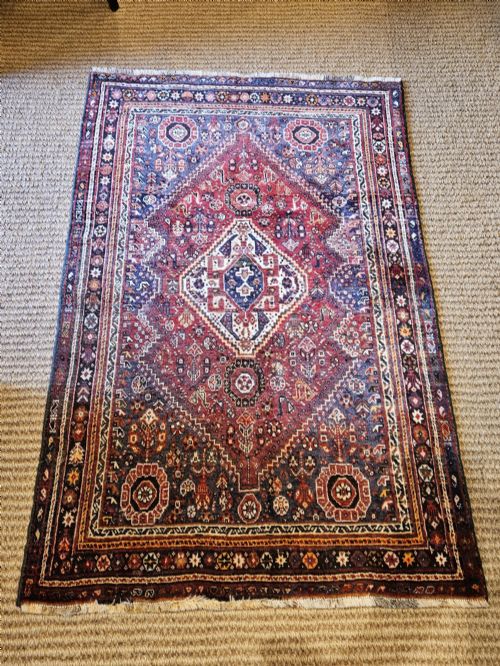
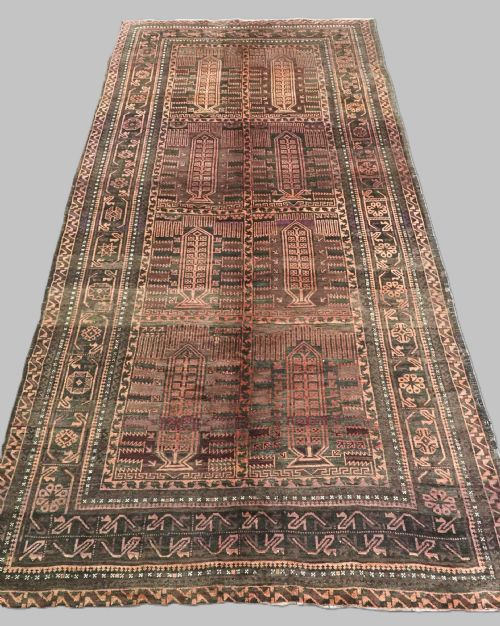
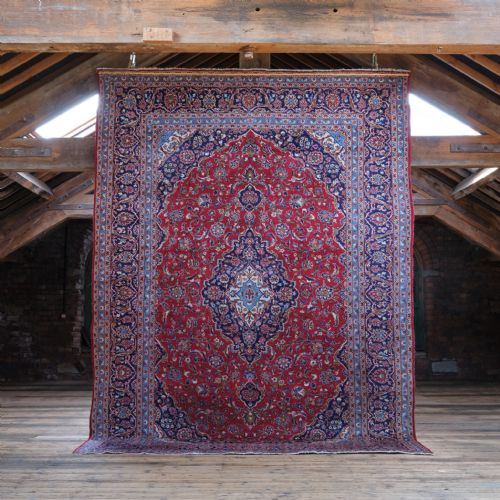
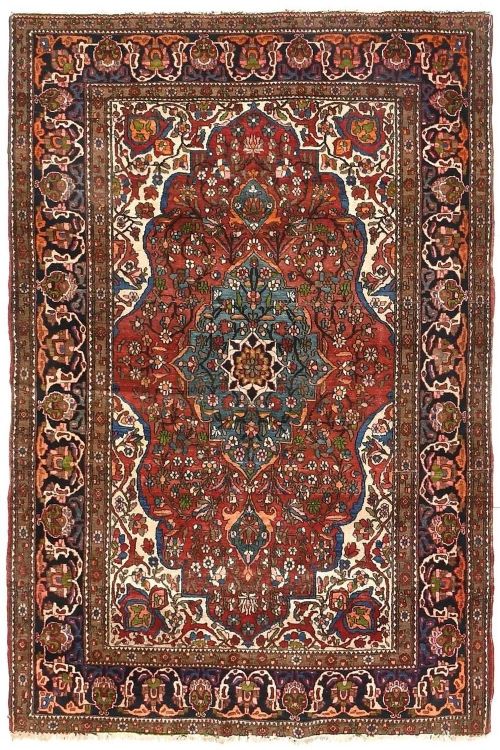
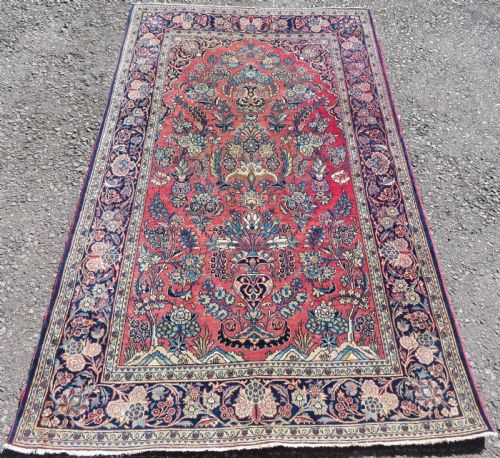
A classic red area rug encompasses traditional hand-knotted floor coverings originating from Persia, the Caucasus, and Anatolia, dating from the nineteenth and early twentieth centuries. These pieces display established tribal and city designs, including medallions, geometric motifs, and floral sprays rendered in deep crimson and rust tones.
The versions most commonly met on this page are room-sized and smaller carpets from Heriz, Kashan, Isfahan, and various tribal workshops. They serve as functional floor coverings that ground a room with rich warmth and intricate pattern work.
Materials and construction methods
These floor coverings are primarily constructed using hand-knotted wool pile set upon cotton or wool foundations, sometimes incorporating goat hair in tribal pieces. The tactile density of the pile depends on the knot count and the specific regional weaving traditions.
Natural dyes provide the characteristic red colourways seen across these examples, yielding nuanced variations in tone that chemical dyes cannot replicate. The interplay of these organic pigments gives the wool depth and longevity.
Listings span weaving traditions from Persian city centres to Caucasian and Anatolian tribal workshops.
Factors of distinction
Quality in these floor coverings rests upon the precision of the weave, the handling of the wool, and the depth of the dye palette. Finer knots permit crisper execution of intricate medallion and floral details.
The integrity of the foundation and the preservation of the original borders also separate standard examples from superior ones. Master weavers achieved a harmonious balance of proportion and colour saturation that elevates certain regional carpets above others.
The Classic Red Area Rug Glossary
- Medallion
- A large central ornamental motif set into the field of a rug. This design element dominates the composition and often dictates the arrangement of surrounding floral or geometric elements.
- Pile
- The upright yarn loops that form the functional surface of a carpet. Hand-knotted pile provides durability and softens the underfoot feel.
- Natural Dyes
- Colourants derived from plants, insects, and minerals rather than synthetic compounds. These dyes age gracefully and develop a rich patina over time.
- Warp
- The vertical foundation threads stretched tightly on the loom before knotting begins. The supplementary weft threads cross these to secure the knots in place.
- Hand-Knotted
- A technique where individual strands of wool are tied by hand around the warp threads one by one. This labour-intensive process ensures maximum longevity and structural integrity.
Classic Red Area Rug: Frequently Asked Questions
How do I choose the right size?
Measure your floor space carefully to ensure the rug anchors your furniture arrangement properly. Room-sized carpets typically sit beneath the main seating group, while smaller rugs accent specific walkways or corners.
Consider how much exposed flooring you wish to leave around the perimeter of the room. Larger formats define distinct living zones within open-plan spaces.
Where should I place these rugs?
These floor coverings suit low-to-moderate traffic areas where their historical character can be appreciated without excessive wear. Living rooms, studies, and bedrooms provide ideal environments for displaying hand-knotted wool pile.
Keep them away from damp areas and direct, intense sunlight to protect the natural dyes and fibres. Using a quality underlay prevents slipping and cushions the foundation against hard floors.
How do I care for antique wool rugs?
Vacuum gently using suction attachments without rotating brush rolls that pull at the wool fibres. Professional cleaning by specialists in antique textiles preserves the integrity of the natural dyes and foundation.
Rotate the rug periodically to ensure even exposure to foot traffic and light. Address spills immediately by blotting with a clean, dry cloth rather than rubbing.
How do regional styles differ?
City workshops in locations like Kashan and Isfahan produce refined, curvilinear floral designs with high knot densities. Tribal weavers from regions such as the Caucasus or Heriz favour bold geometric motifs and striking medallions.
Colour palettes also vary by origin, with certain areas employing rich rust backgrounds while others lean towards deep crimson or softer polychrome contrasts.