


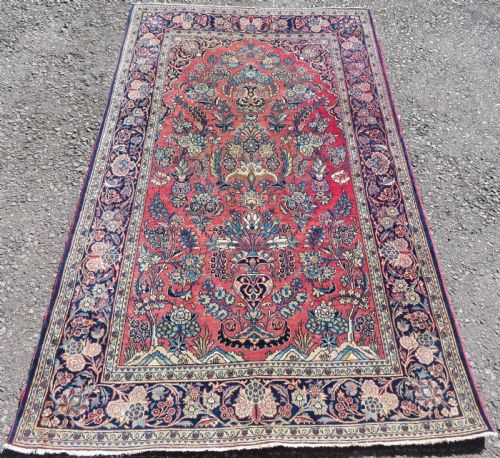


Classic Persian Rug
When searching for a classic persian rug, buyers uncover hand-knotted floor coverings spanning centuries of traditional weaving from cities and villages alike.
Classic Persian Rug
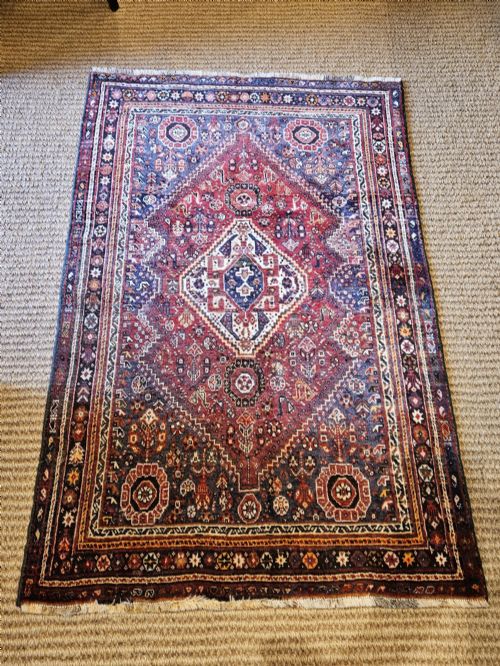
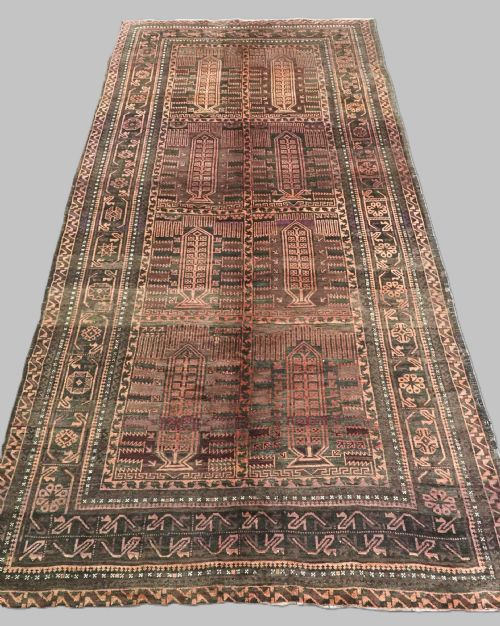
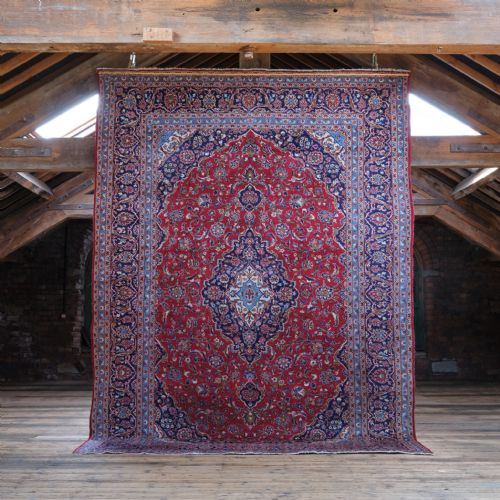
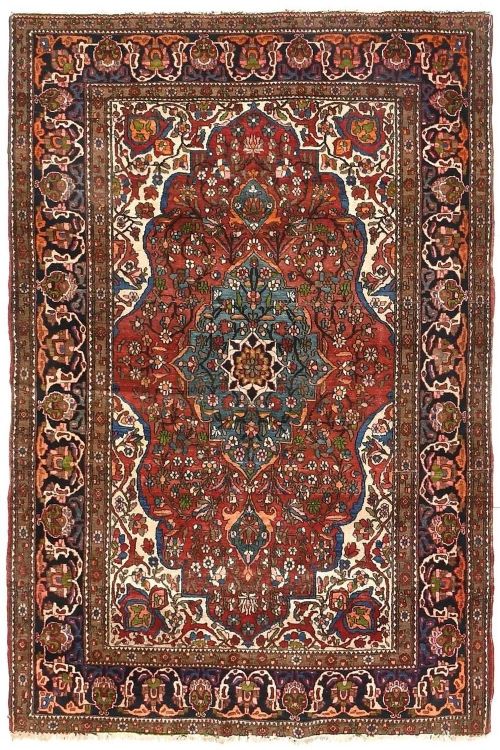
A classic persian rug encompasses hand-knotted floor coverings and textiles originating from workshops, towns, and nomadic tribes across the region. Buyers searching for a classic persian rug encounter regional variations ranging from robust geometric Heriz carpets to finely detailed Isfahan and Kashan weaves.
The selection includes pieces produced across the late nineteenth and early twentieth centuries, spanning periods from eighteen seventy to nineteen forty. Forms vary from small tribal scatter rugs and runners to room-size and oversized carpets suitable for substantial spaces.
Materials and Techniques
Weavers constructed these carpets predominantly using wool piles knotted onto cotton foundations, occasionally incorporating silk, goat hair, and felt appliqués. Natural dyes provide the enduring palette observed across the pieces, lending depth to both city workshops and village productions.
The method relies on hand-knotting techniques executed on vertical looms, creating dense structures designed to withstand decades of use. Specialised regional styles dictate the specific knot density and structural materials utilised by the makers.
One unusual village carpet on record deliberately incorporates twenty-one individual birds flying across its field.
Assessing Quality
Quality rests upon the precision of the hand-knotting and the purity of the materials employed in the construction. Finer knot counts and well-balanced natural dye lots separate master-weaver city rugs from standard village examples.
Condition and integrity of the original pile significantly influence the standing of a piece within the broader range. Strong colour saturation and careful preservation of the original borders elevate certain carpets above comparable specimens.
Ziegler & Co
The Classic Persian Rug Glossary
- Medallion
- A central ornamental motif dominating the field of the rug. This design element often anchors the compositional geometry of city-produced carpets.
- Warp
- The vertical foundation threads stretched tightly on the loom before knotting begins. Wool or cotton warp strands support the entire weight of the pile.
- Weft
- The horizontal threads passed through the warp strands between rows of knots to secure them in place. Multiple weft shots help determine the flexibility of the finished carpet.
- Pile
- The upright ends of the knotted threads forming the usable surface of the textile. Pile height and density vary depending on whether the rug was woven in a nomadic tent or an urban workshop.
- Natural dye
- Colourants derived from plant, insect, or mineral sources rather than synthetic chemicals. These dyes yield the rich, complex hues prized by collectors.
Classic Persian Rug: Frequently Asked Questions
What is a village rug?
Village rugs are smaller-scale floor coverings produced by independent weavers working in rural settlements rather than large urban workshops. They frequently display asymmetrical tribal motifs, spontaneous design variations, and local wool supplies.
Living with these pieces brings an earthy, unpretentious character to interior spaces, as their weavers relied on memory and tradition rather than rigid cartoon patterns.
How should I care for an old carpet?
Protect antique textiles by placing them in low-traffic areas or utilising appropriate underlays to prevent slipping and uneven wear. Regular gentle vacuuming without a beater bar removes abrasive grit from the pile.
Professional cleaning by specialists familiar with antique vegetable-dyed wool ensures the structural integrity remains undisturbed over years of enjoyment.
How do I distinguish Kashan and Isfahan pieces?
Kashan carpets generally feature curvilinear floral arrangements and central vase or medallion formats utilising rich reds and blues. Isfahan pieces often display even finer knotting with intricate pictorial or refined floral schemes reflecting courtly workshop traditions.
Examining the back of the rug reveals the density of the weave, with urban centrepieces typically offering significantly higher knot counts per square inch than provincial equivalents.