



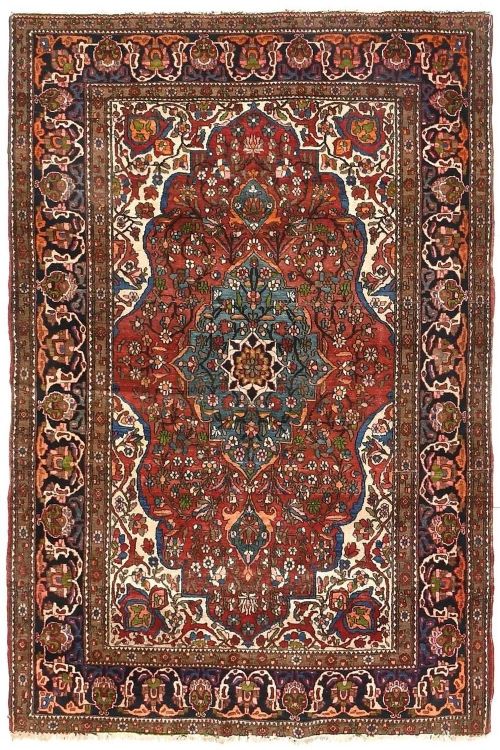


Classic Oriental Area Rug
When you search for a classic oriental area rug, you enter a world of woven wool floor coverings from Persian, Turkish, Caucasian, and Turkmen traditions.
Classic Oriental Area Rug
A classic oriental area rug is a woven floor covering originating from regions spanning Persia, Anatolia, the Caucasus, and Central Asia. These textiles take the form of large carpets, room-size rugs, and runners dating from the nineteenth and early twentieth centuries.
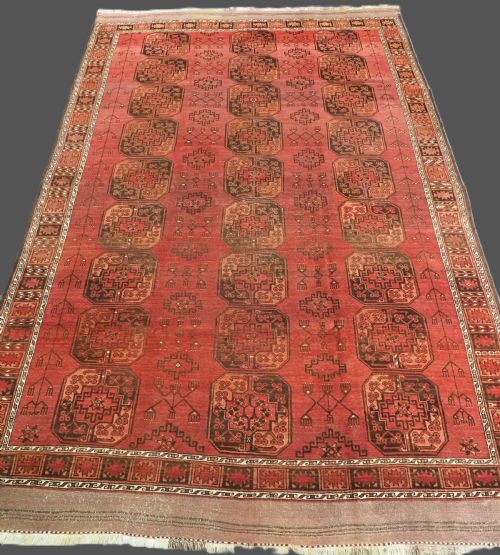
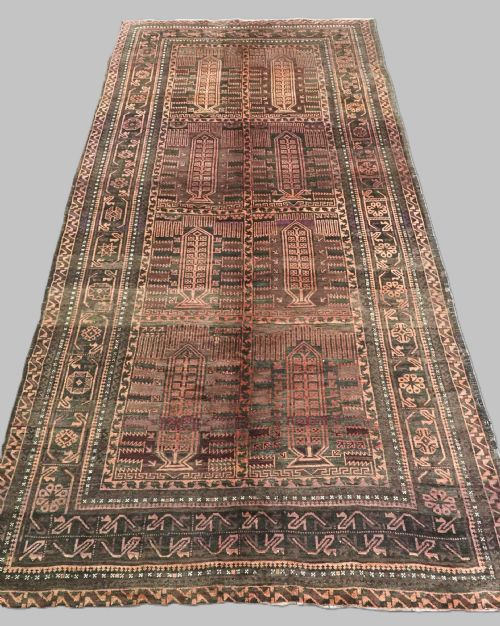
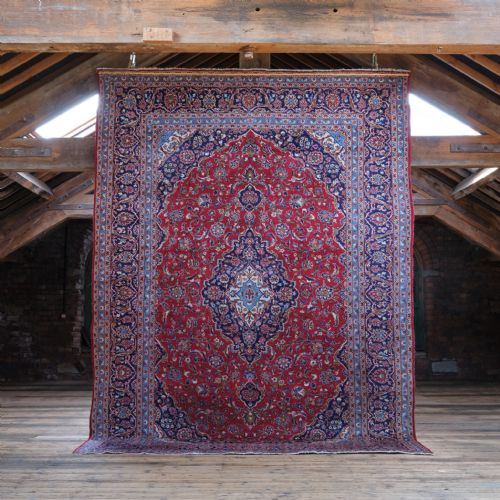
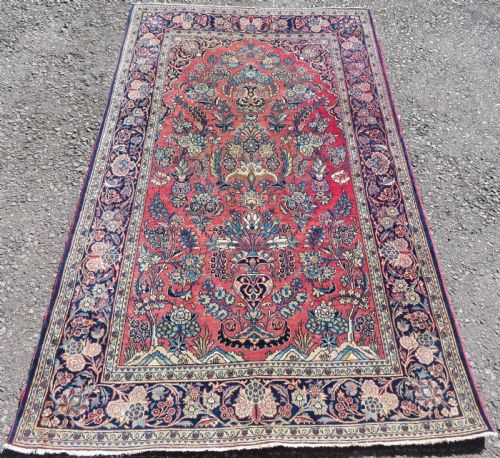
The pieces seen here include specific regional types such as Heriz, Kashan, Isfahan, Tabriz, Ersari Turkmen, and Caucasian Kazak rugs. Buyers encounter both large room-size carpets designed for central spaces and smaller area formats suited to specific rooms.
Designs range from intricate central medallions and floral motifs to geometric tribal patterns. Each piece reflects the weaving traditions of the specific town, village, or nomadic group that produced it.
Materials and Construction
These textiles are constructed using hand-knotted wool foundations, often incorporating cotton for warp and weft threads, alongside occasional use of goat hair. The knotting technique determines the density and durability of the pile.
Weavers utilised natural dyes to achieve rich colour palettes, ranging from warm reds and rust backgrounds to softer muted tones. The interaction between hand-spun wool and natural dye stuffs creates the varied surface character observed across these pieces.
Classic Oriental Area Rug Retail Price Guide 2026
Typical asking prices for classic oriental area rug among the pieces listed under this phrase on Sellingantiques today, from the lower quarter to the upper quarter. They describe what is for sale here now, not the wider market.
Several carpets preserve the stray camel hair woven directly into the foundation by nomadic makers.
Variations in Quality
Quality in these woven pieces relates to the fineness of the knotting and the precision of the design execution. Denser knot counts allow for sharper rendering of intricate floral or geometric motifs.
The depth and stability of the natural dyes also distinguish superior examples. Purity of wool and the overall balance of proportion across the field and border contribute to the visual standing of an individual carpet.
The Classic Oriental Area Rug Glossary
- Warp
- The vertical threads stretched on a loom that form the foundational skeleton of a rug. The exposed ends of these threads often appear as fringe at either end of the piece.
- Weft
- The horizontal threads passed across and between the warp threads to bind the knots in place. This structure gives the textile its lateral stability.
- Medallion
- A large, symmetrical ornamental design motif placed at the exact centre of the rug field. This central feature often dictates the geometry of the surrounding pattern.
- Natural Dyes
- Colourants derived from plant, insect, or mineral sources utilised before the advent of synthetic alternatives. These dyes yield subtle tonal variations across the wool pile.
- Pile
- The upright surface of the rug formed by the clipped ends of the hand-tied knots. The height and density of this fibrous layer vary by regional weaving tradition.
Classic Oriental Area Rug: Frequently Asked Questions
How do I choose the right size?
Consider the dimensions of the room and the furniture placement intended for the space. Larger room-size carpets anchor central seating arrangements, while smaller formats define distinct zones within a larger area.
Measure the floor space carefully, leaving a uniform border of exposed flooring around the perimeter of the rug. This approach ensures the scale of the textile complements the proportions of the room.
How do I care for an antique rug?
Regular, gentle vacuuming without a rotating brush bar removes surface dust and prevents dirt particles from settling into the wool pile. Professional cleaning suited to antique textiles should be employed periodically.
Keep the textile out of direct, prolonged sunlight to prevent the natural dyes from fading unevenly. Using an appropriate underlay helps reduce friction and movement on hard floors.
What is a tribal rug?
Tribal rugs are woven by nomadic or village populations rather than in urban workshop centres. These pieces frequently feature geometric patterns, memory-based designs, and robust wool construction.
Such textiles often incorporate motifs passed down through generations within specific regional groups, including Turkmen and Caucasian weavers.
How are regional styles told apart?
Regional styles differ through distinct colour palettes, border arrangements, and structural motifs. Persian city rugs like Kashan or Tabriz favour refined floral curves, whereas Caucasian and Turkmen pieces display geometric rigour.
Examining the knotting density, materials used in the foundation, and specific dye characteristics helps attribute a piece to its likely origin.