



Classic Oil Portrait Woman
A classic oil portrait woman brings centuries of character into a room through rich painted detail.
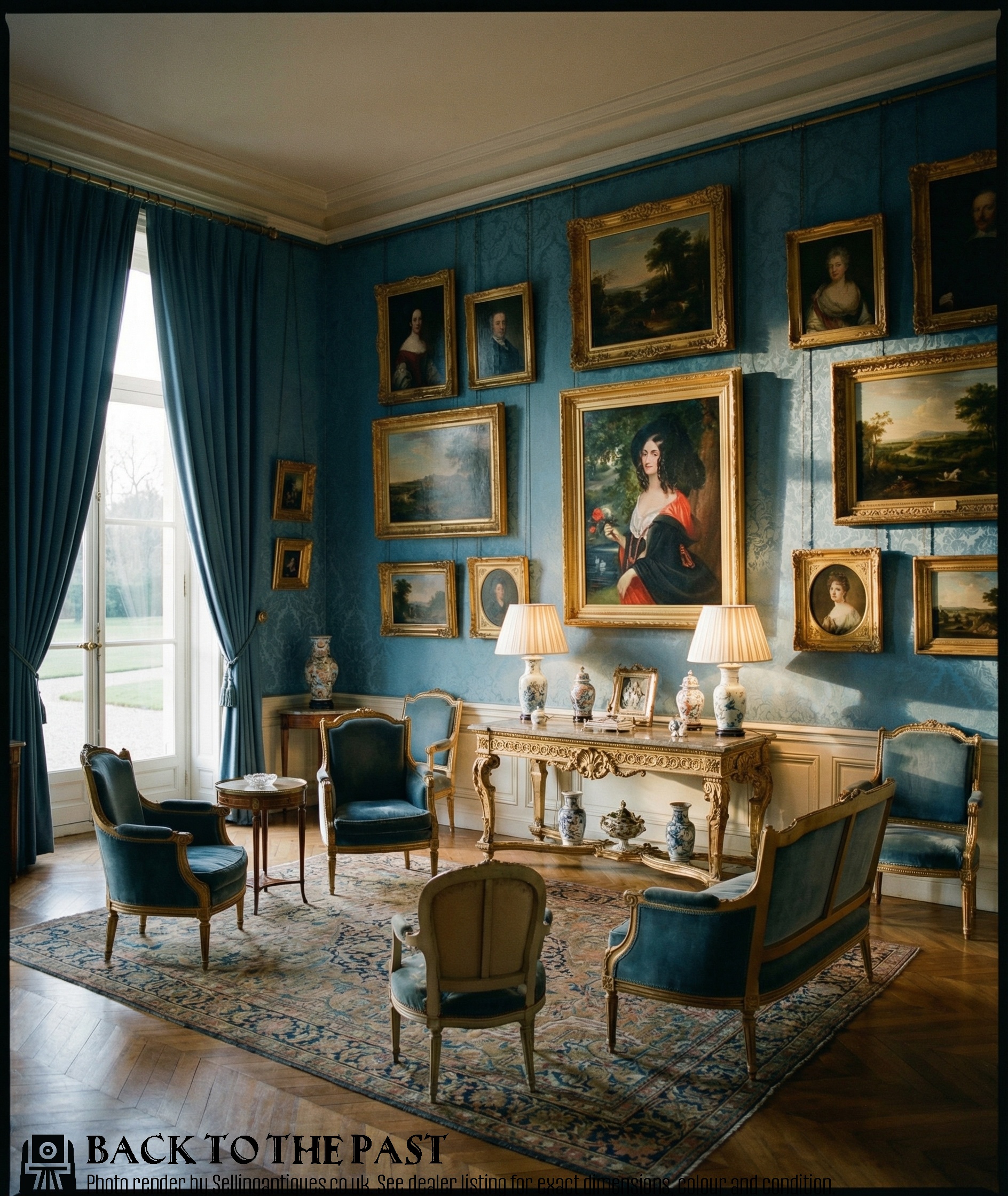
Classic Oil Portrait Woman
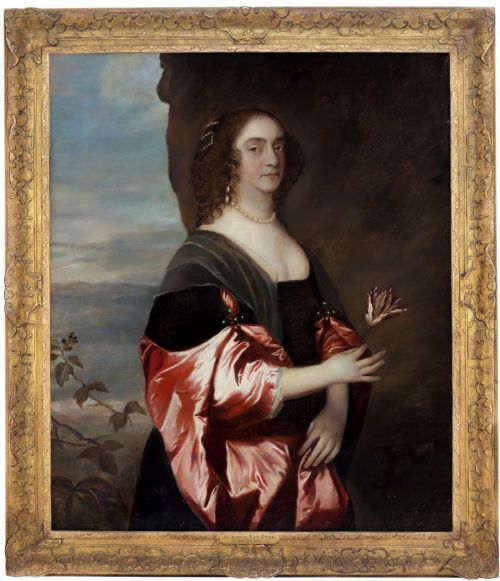
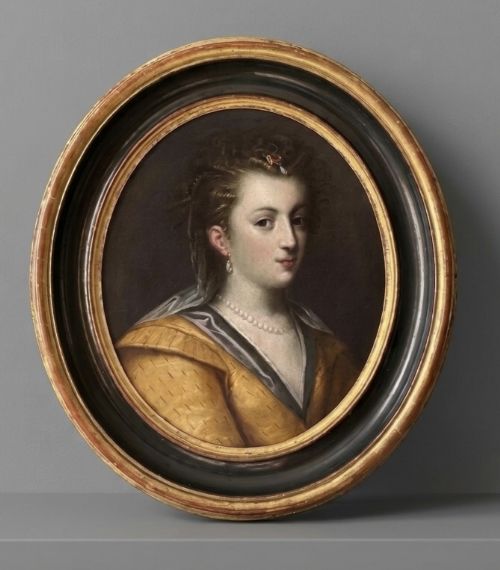
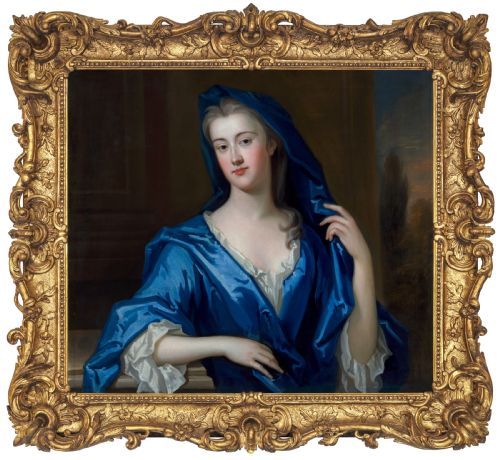
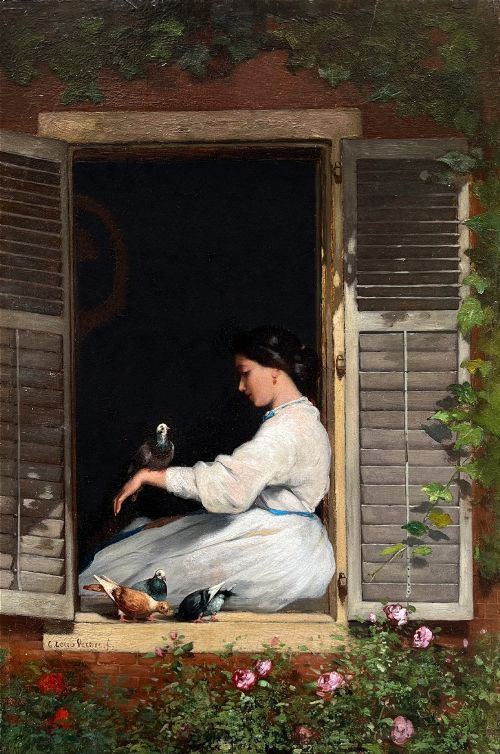
A classic oil portrait woman captures female subjects across centuries, ranging from formal 18th century compositions to Victorian and early 20th century works. These paintings present subjects in varied settings, from outdoor scenes and domestic spaces to elegant evening attire.
The selections on this page span the Georgian, Victorian, Edwardian and early 20th century periods. Many works record named sitters and identifiable artists, offering a direct link to historic portraiture traditions.
How they were made
These works utilise oil paint applied to canvas supported by wood frames. The physical build combines traditional canvas grounds with layered pigment to achieve depth and texture.
Many surviving examples retain their period frames constructed from gilt wood or giltwood, complementing the painted surface.
Classic Oil Portrait Woman Retail Price Guide 2026
Typical asking prices for classic oil portrait woman among the pieces listed under this phrase on Sellingantiques today, from the lower quarter to the upper quarter. They describe what is for sale here now, not the wider market.
Subjects bring along unexpected company, including a cello, a tray, a basket of flowers, a veil, and even a faithful dog.
What varies in quality
Quality rests in the precision of brushwork and the psychological depth captured in the sitter's expression. Masterful handling of light and shadow distinguishes accomplished artists from standard school pieces.
The preservation of the original canvas surface and the condition of the surrounding gilt wood frame heavily influence the integrity of the piece.
Louis Charles Verwee·William Arthur Breakspeare·Attilio Toro·John Robert Dicksee·Louis William Desanges·Frank Moss Bennett·William Joseph Carroll·Sydney Kendrick·Balthasar Denner·Tilly Kettle·Alfred Seifert·William Jacob Baer·John Singer Sargent
The Classic Oil Portrait Woman Glossary
- Oil on Canvas
- Pigment mixed with drying oil applied to a stretched fabric support. This combination forms the primary medium for these historical portraits.
- Giltwood
- Wood carved and covered with a thin layer of gold leaf. This material forms the ornate frames frequently paired with these paintings.
- Dutch Golden Age
- A period of notable Dutch painting spanning the 17th century. Works in this style influence subsequent portrait traditions represented here.
- Genre oil painting
- A painting that depicts aspects of everyday life by subjects engaged in common activities. Several listed works incorporate these narrative elements alongside portraiture.
- Half-Length Portrait
- A compositional format showing the subject from the waist or hips up. This framing allows artists to focus on facial expression and hand gestures.
Classic Oil Portrait Woman: Frequently Asked Questions
How do I date a portrait?
Dating relies on the sitter's costume, hairstyle, and the construction methods of the canvas and frame. Comparing stylistic markers helps narrow down the period.
Artists' signatures and biographical records of named sitters also provide precise chronological anchors for the work.
What is an English School painting?
This label designates works produced by artists trained or working within the British artistic tradition. It often describes pieces where the specific painter remains unidentified.
These paintings reflect the prevailing portraiture tastes and academic standards of Britain during their respective centuries.
How should I hang an oil portrait?
Hang paintings away from direct sunlight and fluctuating heat sources to protect the canvas and pigment. Stable indoor environments prevent warping in the wooden components.
Ensure the wall fixings safely support the combined weight of the heavy wooden frames and canvas.
Are these portraits original works?
The listings consist of original hand-painted works created in oil on canvas during past centuries. Each piece represents a unique artistic creation rather than a modern reproduction.
Evidence points to historic techniques applied by named painters and European schools.