


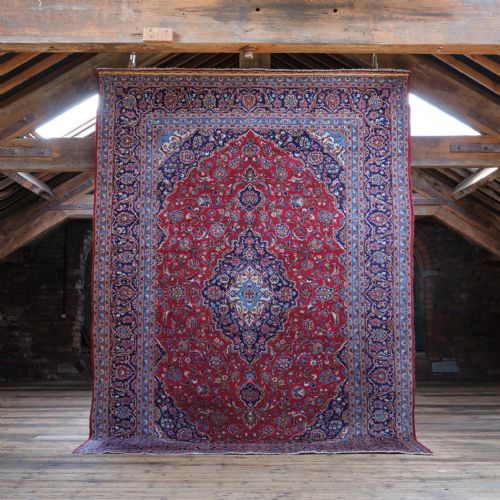

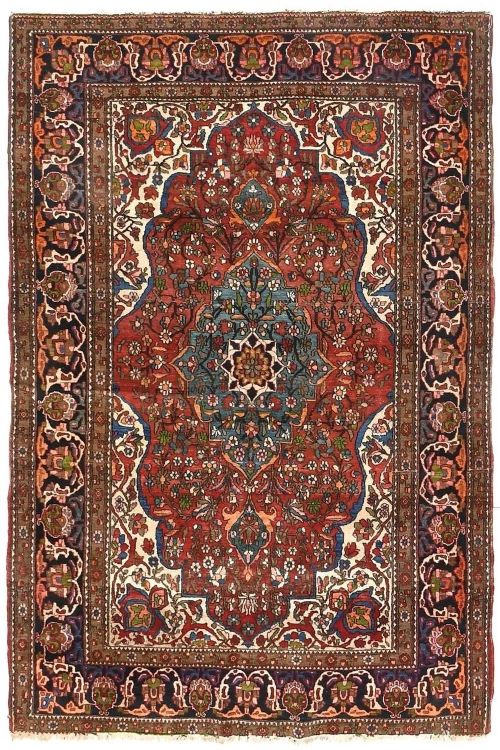


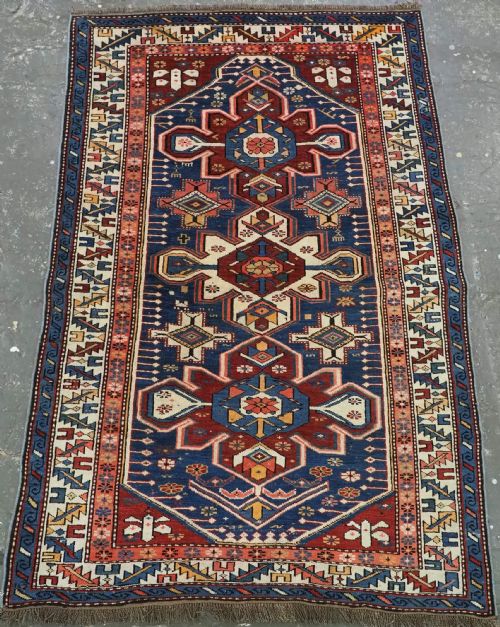


Classic Medallion Carpet
A classic medallion carpet centres a room with a structured central motif drawn from centuries of weaving tradition.
Classic Medallion Carpet
The material record spans the late nineteenth century through the mid-twentieth century, encompassing periods such as nineteen hundred, nineteen twenty, and the nineteenth century. These textiles served primarily as grand floor coverings in residential spaces, designed to organise the symmetry of a room.
Materials and construction
These floor coverings are constructed primarily using hand-knotted wool pile secured onto cotton foundations, yielding dense and resilient surfaces. Artisans knotted individual strands by hand to build intricate patterns that maintain structural integrity across decades of use.
Weavers utilised natural and traditional dye sources to achieve soft colours and varied grounds, ranging from light red fields to pastel tones. The density of the weave varies by region, from coarser tribal village productions to fine city workshops.
Classic Medallion Carpet Retail Price Guide 2026
Typical asking prices for classic medallion carpet among the pieces listed under this phrase on Sellingantiques today, from the lower quarter to the upper quarter. They describe what is for sale here now, not the wider market.
Listings span multiple production regions including Persian, Anatolian, and Caucasian origins, utilising hand-knotted wool on cotton foundations across the nineteenth and twentieth centuries.
Distinctions in quality
Quality in these textiles depends upon the precision of the knotting, the complexity of the design layout, and the condition of the wool pile. Finer examples display crisp delineation within the central medallion and well-preserved borders.
The depth and harmony of the palette distinguish finer pieces, where aged wool retains its tactile character and colour variation. Condition also influences the standing of a piece, with intact edges and minimal pile loss representing the higher end of the range.
The Classic Medallion Carpet Glossary
- Medallion
- The central ornamental motif found in the middle of the carpet field. It often takes a geometric, lobbed, or floral shape that dictates the symmetry of the entire design.
- Spandrels
- The triangular patterns situated in the four corners of the carpet field. They visually anchor the central medallion to the surrounding borders.
- Pile
- The upright yarn loops forming the soft surface of the carpet. It is created by knotting wool fibres onto the underlying warp and weft threads.
- Warp
- The vertical foundation threads stretched tightly on the loom before knotting begins. Cotton is commonly used for these structural elements.
- Weft
- The horizontal threads passed alternately over and under the warp threads after each row of knots. This locks the pile firmly into place.
Classic Medallion Carpet: Frequently Asked Questions
Where were these carpets originally made?
Production spans several distinct weaving regions, including Persian city workshops and tribal areas, Anatolian and Turkish centres, and Caucasian districts. Each region imparted specific design elements and structural techniques to the finished floor covering.
City workshops often produced refined floral compositions, whilst village and tribal weavers favoured geometric interpretations of the medallion format.
How do I care for an antique carpet?
Protect the wool pile by placing the rug in areas with moderate foot traffic and away from direct, harsh sunlight. Regular gentle vacuuming without a beater bar removes trapped dust without damaging the hand-knotted structure.
Rotate the carpet periodically to ensure even wear across the surface. Professional cleaning should be undertaken sparingly by specialists experienced in antique textiles.
What does a medallion design signify?
The central medallion serves as the primary focal point of the composition, drawing the eye inward and establishing the geometric balance of the piece. This layout tradition has roots in classic rug design, where symmetry was paramount.
Surrounding borders and corner motifs complete the architectural framework of the textile, creating a self-contained visual field.
How do I determine the age of a carpet?
Age is estimated through a combination of structural analysis, dye characteristics, and stylistic conventions associated with specific periods like the nineteenth century or the early nineteen hundreds. Subtle variations in the wool and hand-spun yarns provide clues to the era of manufacture.
Comparing the weave density and regional motifs against documented examples helps narrow down the probable decade of creation.