

Classic Leather Wristwatch
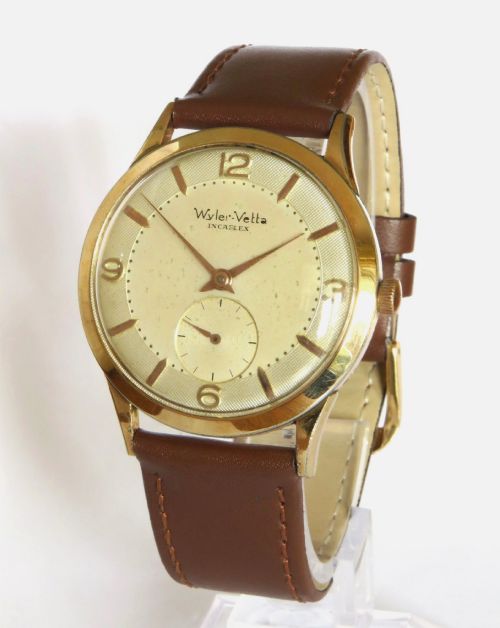
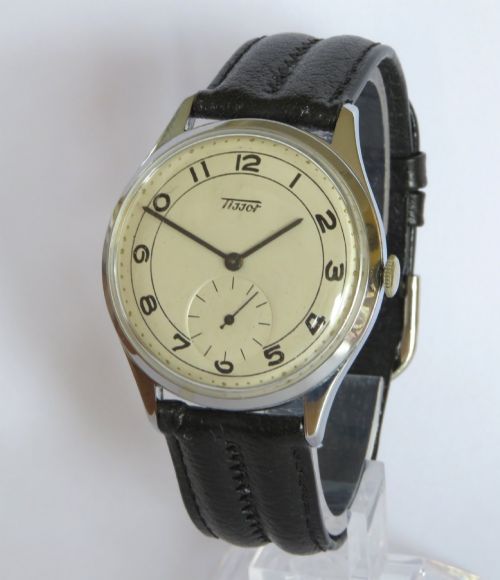
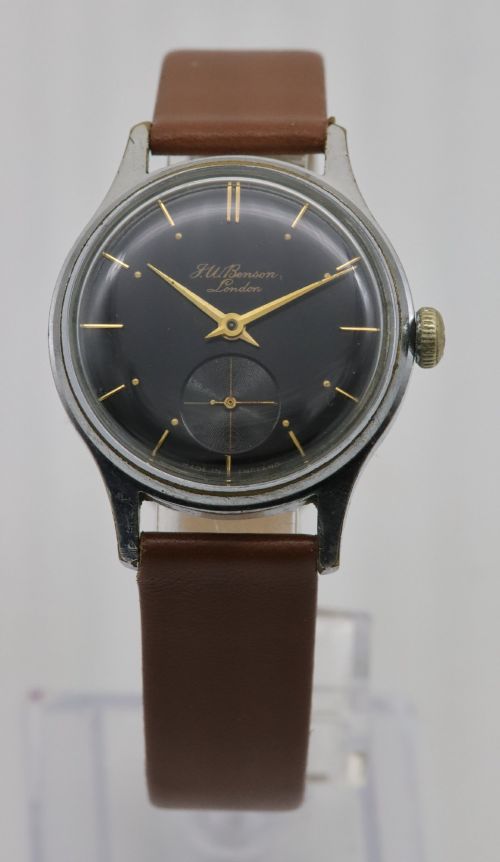
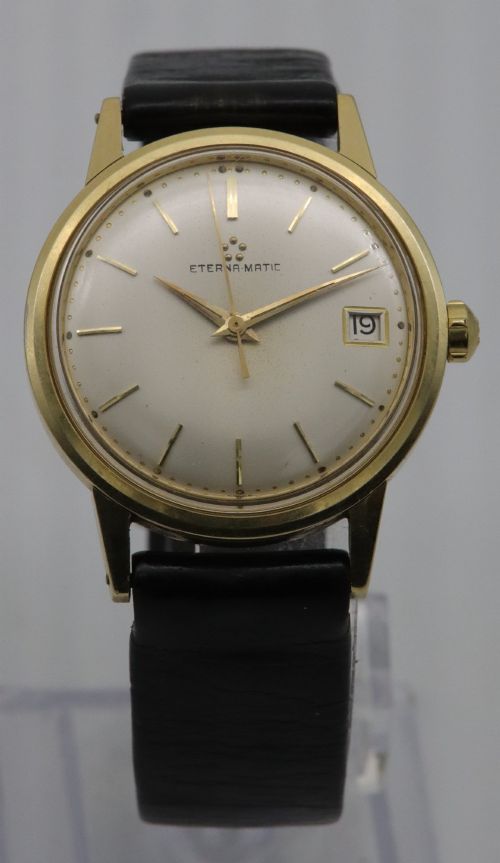
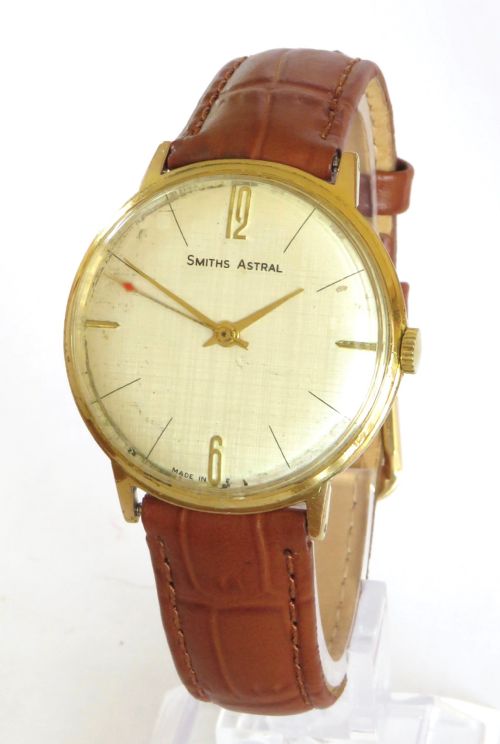
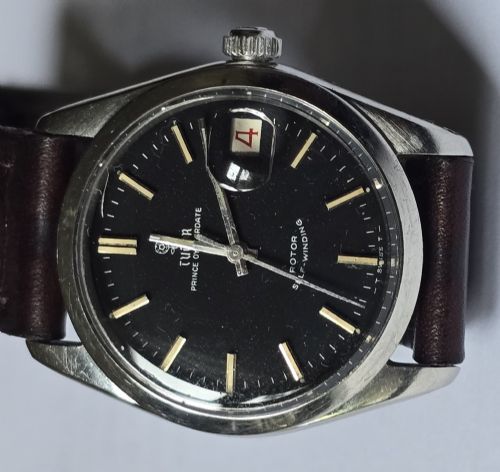
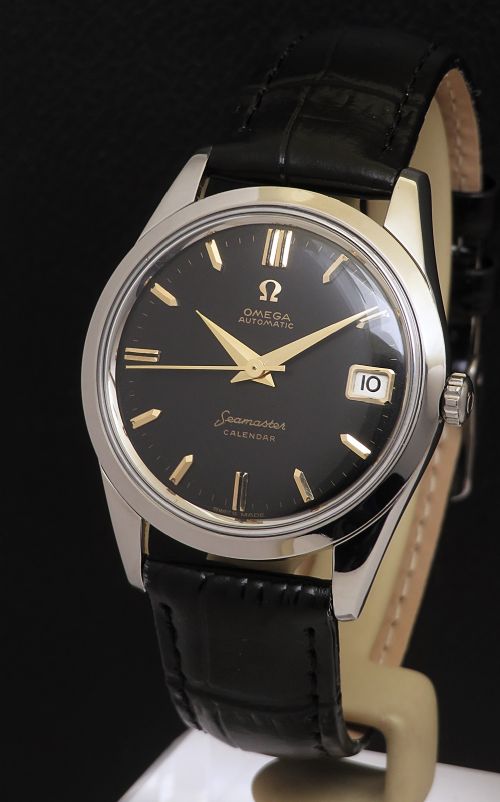
A classic leather wristwatch anchors the wrist with the understated mechanical integrity of mid-century design.
Classic Leather Wristwatch
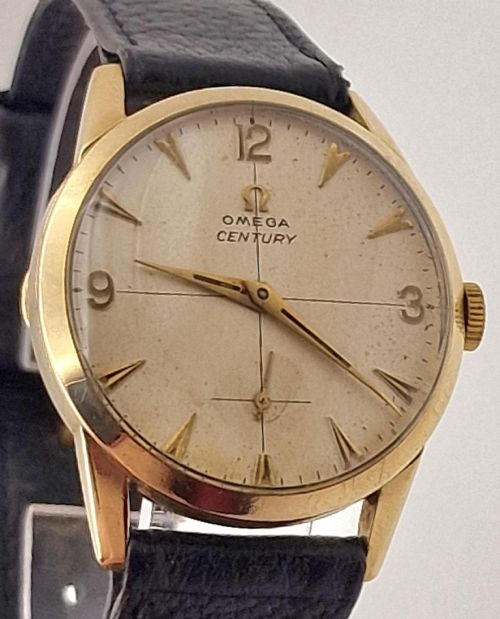
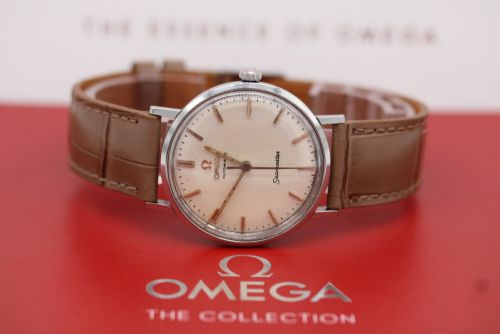
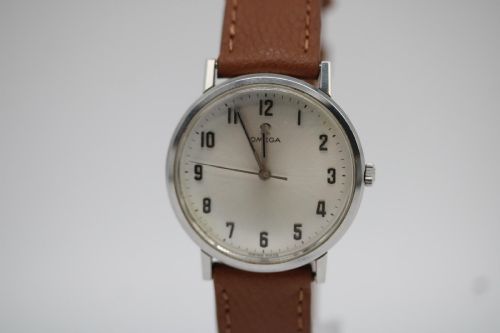
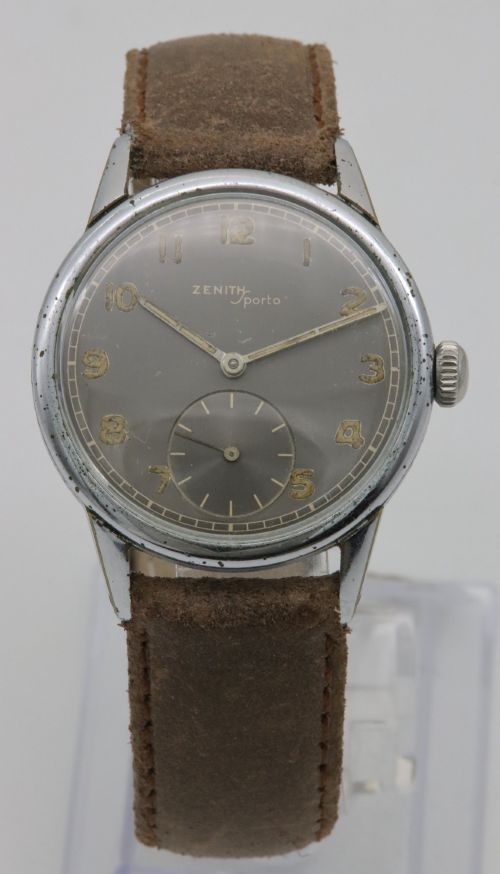
A classic leather wristwatch combines mechanical timekeeping from the decades between the 1930s and 1970s with a supple leather strap. These pieces originate from an era when wristwatches transitioned from pocket-derived novelties to essential daily instruments of precision.
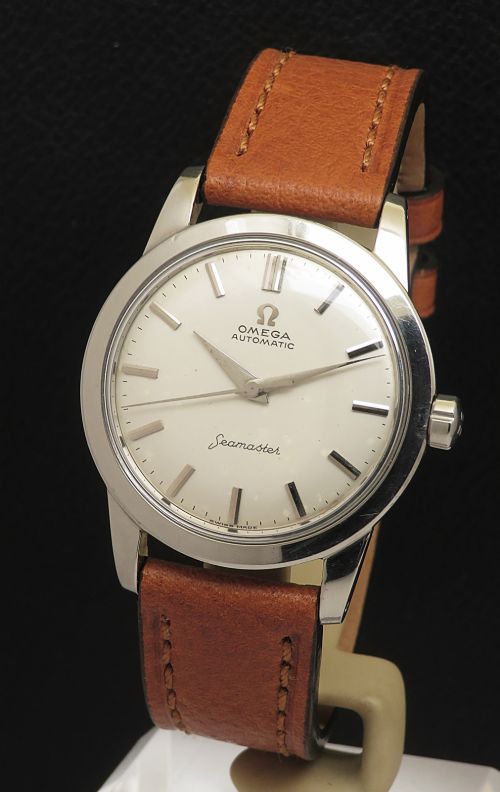
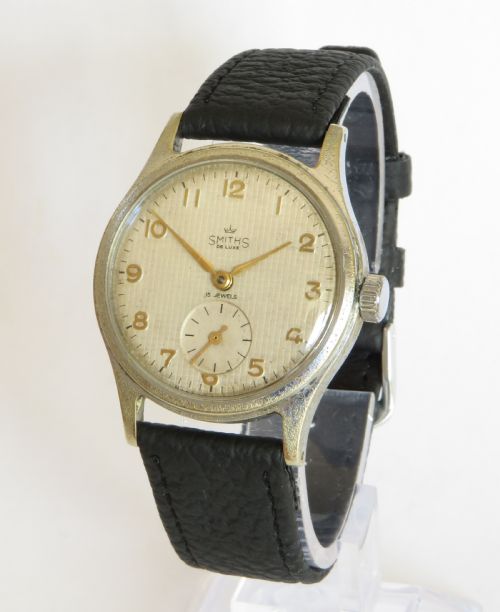
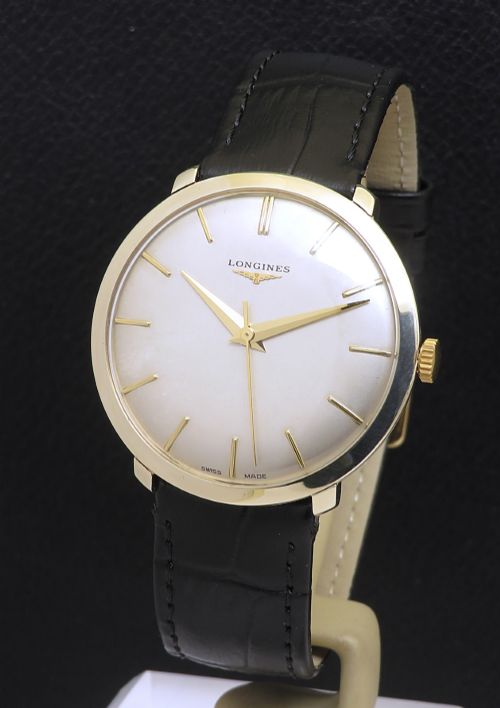
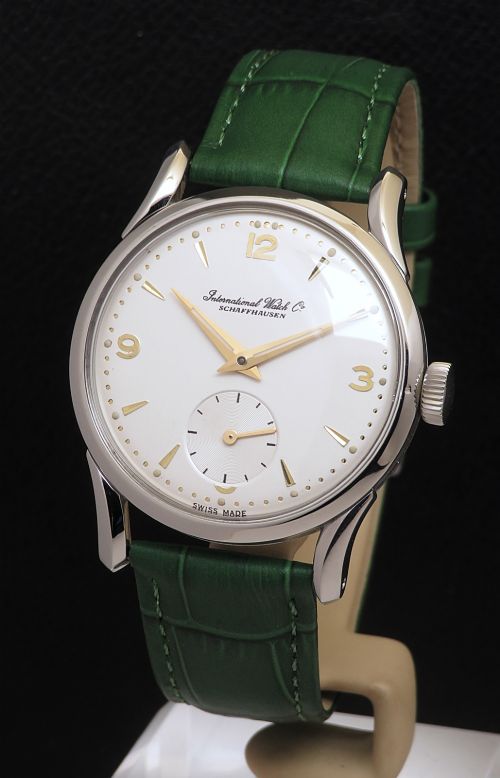
The selections available here lean heavily into mid-century aesthetics, encompassing styles from Mid-Century British to Art Deco and 1940s Vintage. Buyers encounter manually wound and automatic movements housed in round or shaped cases.
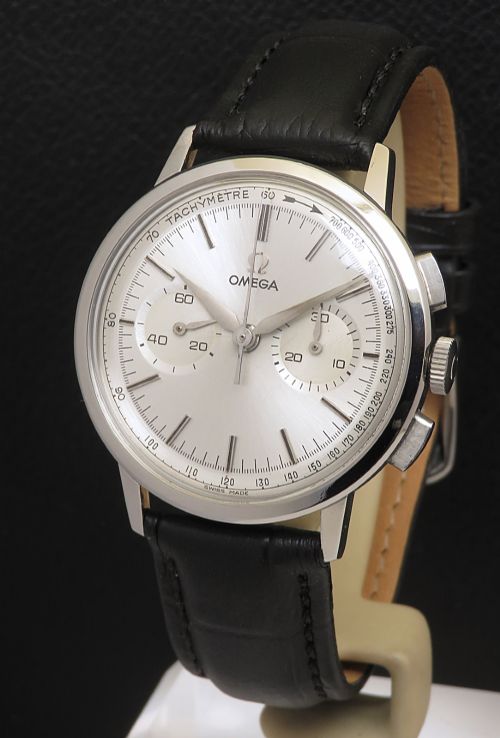
The predominant forms span simple three-hand dress watches to robust date models and chronographs. They reflect the diverse output of Swiss and British workshops active through the mid-twentieth century.
Materials and Construction
The construction relies on metals such as stainless steel, gold plate, and solid 9ct gold for the watch cases, protecting the delicate mechanical movements within. Dials are finished with applied markers, numerals, and protected by glass or acrylic crystals.
Movements utilise intricate brass gear trains, jewels to reduce friction, and fine steel springs driven by manual winding or self-winding automatic rotors. Leather straps, fitted with metal buckles, secure the watch to the wrist.
Classic Leather Wristwatch Retail Price Guide 2026
Typical asking prices for classic leather wristwatch among the pieces listed under this phrase on Sellingantiques today, from the lower quarter to the upper quarter. They describe what is for sale here now, not the wider market.
Case materials across the selection include stainless steel, gold plate, solid 9ct gold, and 18ct white gold.
Distinctions in Quality
Quality rests upon the preservation of the original dial and case geometry, distinguishing untouched examples from those altered by heavy polishing or dial repainting. The fidelity of the case lines and the crispness of hallmark stamps indicate how carefully a piece survived the decades.
The grade of the internal movement dictates long-term performance, where higher-tier calibres feature superior adjustment, more jewels, and meticulous hand-finishing by the maker. The harmony between the original dial typography and the movement caliber elevates the standing of an individual watch.
Smiths·International Watch Company IWC·Omega·Longines·Tudor·Montilier·J W Benson·Rolex·Bulova Accutron·Bucherer·Gloriosa·Certina·Avia·Rotary·Baume·Ensign·Lanco
The Classic Leather Wristwatch Glossary
- Calibre
- The specific internal mechanical movement model designed and produced by a watch manufacturer. It serves as the primary identifier for the engineering inside the case.
- Manual Wind
- A mechanical movement requiring the wearer to turn the crown by hand to tension the mainspring. This traditional method allows for slimmer case profiles.
- Automatic
- A self-winding mechanical movement utilising an internal oscillating weight that moves with the wearer's wrist motion to wind the mainspring. It removes the need for daily manual winding.
- Acrylic Glass
- A lightweight, shatter-resistant plastic material commonly utilised for watch crystals during the mid-century period. It can be polished to remove surface scratches.
- Chronograph
- A watch equipped with a complication for measuring elapsed time through independent sweep hands and pushers. It transforms a standard timepiece into a precise measuring instrument.
Classic Leather Wristwatch: Frequently Asked Questions
How do I wind a manual watch?
Gently rotate the crown clockwise between your thumb and forefinger until you feel firm resistance. Stop immediately at that point to avoid damaging the mainspring.
Perform this action at roughly the same time each day if you wear the watch regularly. Avoid over-winding, which strains the internal mechanical components.
Are vintage watches waterproof?
Vintage timepieces lack the modern rubber gaskets and screw-down sealing systems found in contemporary diving instruments. Moisture can easily bypass aged crystals and crown seals.
Keep these watches away from swimming, showers, and heavy rain. Even models designated as water-resistant in period literature require caution today due to degraded seals.
How often should a watch be serviced?
Mechanical movements require periodic cleaning and lubrication to prevent wear on the gear trains and pivots. Oils dry out over the course of several years.
A professional service every few years ensures the internal lubricants remain effective and keeps timekeeping accurate. Watchmakers dismantle the movement, clean the components, and reassemble them with fresh oils.
Can I replace the leather strap?
Leather straps are interchangeable consumables designed to be replaced as they age and soften through daily wear. Standard spring bars secure the strap to the case lugs.
Choosing a replacement strap matching the lug width allows you to alter the appearance of the watch. Ensure the buckle metal complements the finish of the watch case.