



Classic Leather Armchairs
Classic leather armchairs bring history and substance into a room, offering deep seats and enduring forms built to last.
Classic Leather Armchairs
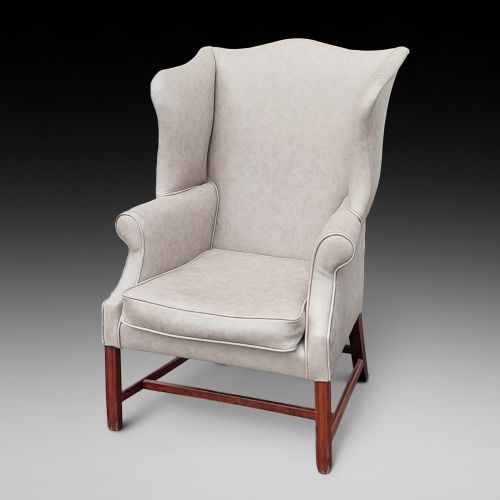
Classic leather armchairs encompass a wide variety of seating forms spanning multiple centuries and design movements, from Georgian wingbacks to Art Deco club chairs. When you search for classic leather armchairs, you encounter robust seating designed for comfort and presence, using durable hides that age with character.
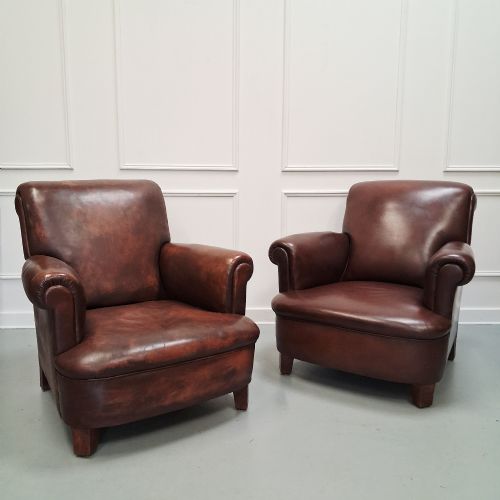
The versions you are most likely to meet on this page range from early twentieth-century French and English club chairs to Victorian and Edwardian wingbacks and Chesterfield designs. Makers utilised traditional forms such as the wingback and low club chair, creating seats suited for studies, libraries, and drawing rooms.
How they were made
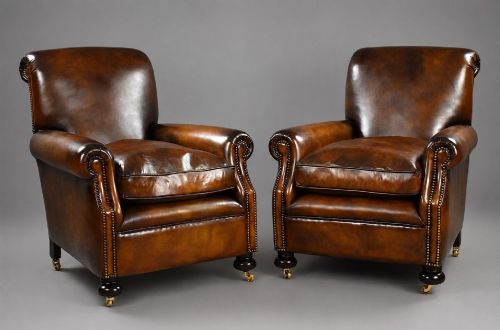
These chairs combine sturdy wooden frames fashioned from mahogany, rosewood, and other timbers with traditional upholstery techniques. Artisans stretched quality leather over padded structures, securing the edges with brass nails and studs to finish the seams.
The construction relies on solid joinery for the frames to support the heavy leather upholstery and sprung seats. Materials such as velvet occasionally complement the leather, while exposed wood elements show turned legs and carved frames.
Classic Leather Armchairs Retail Price Guide 2026
Typical asking prices for classic leather armchairs among the pieces listed under this phrase on Sellingantiques today, from the lower quarter to the upper quarter. They describe what is for sale here now, not the wider market.
The listings here include pieces from the eighteenth century through the Art Deco era, utilising mahogany, rosewood, brass, and velvet alongside leather.
What varies in quality
The distinction between standard examples and the finest pieces rests in the integrity of the frame construction and the natural ageing of the leather. Superior pieces exhibit well-balanced proportions, particularly in winged and club forms, with frames that remain rigid and supportive.
Quality also shows in the depth and suppleness of the hide itself, where rich patination develops naturally over decades of use. Lesser examples may feature replacement materials or poorly proportioned frames that lack the harmony of period pieces.
The Classic Leather Armchairs Glossary
- Wingback armchair
- An upholstered seat featuring side panels designed to shield the occupant from drafts and retain heat from a fireplace. These chairs often stand on wooden legs and date back to earlier centuries.
- Club chair
- A deep, comfortable armchair originating in France and England during the early twentieth century, typically upholstered in thick leather. They provide a low, relaxed seat suited for lounging.
- Chesterfield
- A traditional style of deep-buttoned upholstered furniture traditionally finished in dark or oxblood leather. This form is known for its rolled arms and substantial padding.
- Porters armchair
- A high-backed enclosed seat originally designed to keep drafts away from domestic servants stationed near entrance halls. These pieces often feature hooded tops and enclosed leather sides.
- Patina
- The surface sheen and softening of colour that develops on wood and leather over years of handling and exposure. This quality indicates age and genuine use.
Classic Leather Armchairs: Frequently Asked Questions
What defines a club chair?
A club chair is a deep, low-slung armchair upholstered in heavy leather, designed for relaxation and comfort. These chairs gained popularity in twentieth-century French and English interiors.
They typically feature rounded backs and generous cushioning, setting them apart from upright dining or parlor seating.
How do I identify a wingback chair?
Wingback chairs feature characteristic side panels attached to the arms and framing the headrest. These wings originally served to trap heat and block drafts in older homes.
Over time, the style evolved through the Georgian and Victorian periods, incorporating various leg styles and upholstery materials.
How should I care for vintage leather?
Vintage leather benefits from regular dusting and occasional treatment with appropriate conditioning balms to keep the hide supple. Avoiding direct sunlight prevents the leather from drying out and cracking.
Allowing the natural patina to develop preserves the historical character of the piece without stripping away its age.