





Classic Landscape Scene
A classic landscape scene captures the enduring appeal of painted countryside, rivers, and coastal views through traditional oil and watercolour mediums.
Classic Landscape Scene
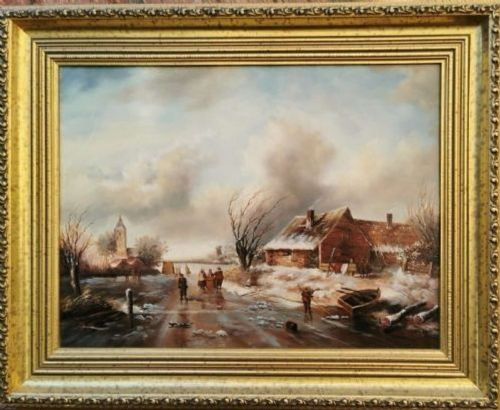
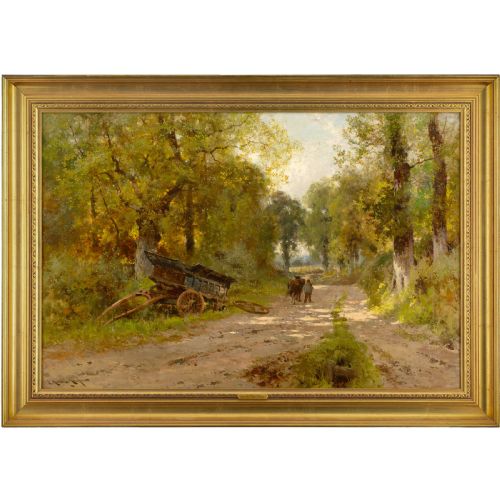
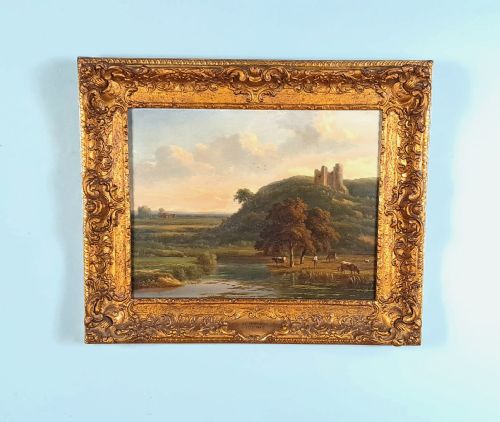
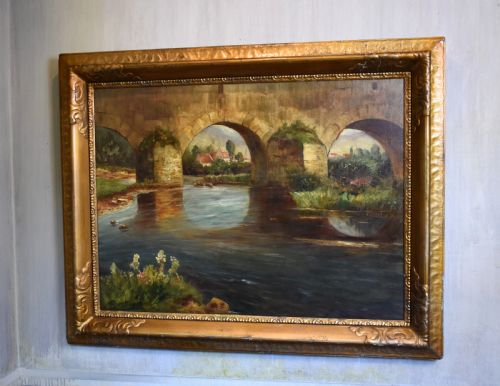
A classic landscape scene presents a framed view of natural terrain, rural waterways, or historical Dutch-inspired settings. These artworks emerge primarily from the nineteenth and early twentieth centuries, capturing pastoral life, rivers, and woodland settings with traditional brushwork.
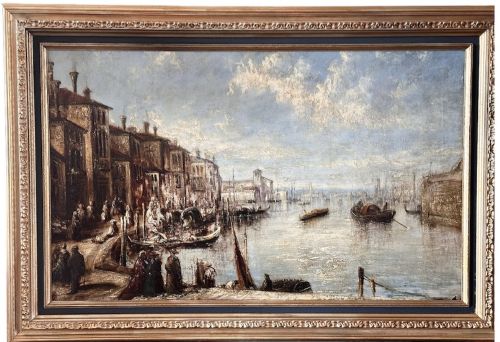
The pieces available on this page encompass oil on canvas, oil on board, and watercolour paintings. Buyers regularly encounter framed depictions ranging from quiet Welsh lakes and winter scenes to bustling riverbanks populated by figures and livestock.
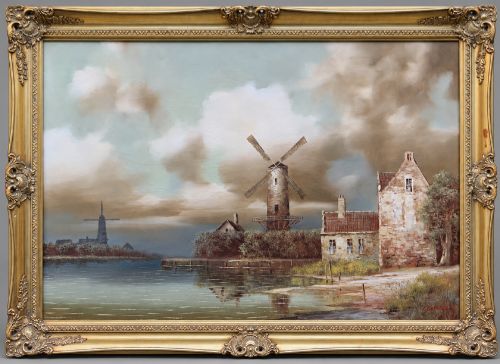
Originating largely from British and European hands, these works reflect diverse regional interpretations of nature. From Dutch windmill compositions to traditional English pastoral views, each piece offers a distinct historical window into nineteenth and twentieth century scenery.
How they were made
Painters applied oil paint or watercolour onto prepared canvas, wooden board, or heavy paper supports. Artists built up depth using layered pigments, capturing natural light and atmospheric conditions across rivers, skies, and wooded terrain.
Many works retain their period frames constructed from wood and gesso, often finished in giltwood. These ornate or simple surrounds protect the painted surface and define the visual boundary of the scene.
Classic Landscape Scene Retail Price Guide 2026
Typical asking prices for classic landscape scene among the pieces listed under this phrase on Sellingantiques today, from the lower quarter to the upper quarter. They describe what is for sale here now, not the wider market.
Several winter scenes capture children ice skating on frozen Dutch waterways, bringing brisk seasonal cheer straight to the canvas.
What varies in quality
The strength of composition and brushwork distinguishes exceptional paintings from standard decorative examples. Masterful handling of light, shadow, and perspective gives depth and presence to the depicted terrain.
The integrity of the original canvas, paint layer, and period frame contributes significantly to the standing of a piece. Well-preserved works maintain their original pigment vibrancy and structural stability without heavy restoration.
John Horace Hooper·Francis Moltino·T C Hofland·Walter J Watson·Benjamin Williams Leader·Peter Deakin·John Wright Oakes·Sydney Kendrick·Frederick J Knowles·C de Falens·Alfred Banner·Franz Reder Broili·Edward H Holder·William Stephen Coleman·Wilhelm Alexander Meyerheim·John Holland Snr
The Classic Landscape Scene Glossary
- Oil on Canvas
- Pigment mixed with drying oil applied to stretched fabric. This traditional medium allows for rich blending and textured impasto work.
- Watercolour Painting
- Pigments suspended in a water-soluble vehicle applied to paper. This medium produces translucent washes and delicate tonal gradations.
- Gilt Wood
- Wood carved and coated with gold leaf or metallic powder. This finish is commonly found on traditional frames enclosing nineteenth-century artworks.
- Gesso
- A plaster-like mixture applied to wood or canvas as a base for painting or gilding. It provides a smooth surface for detailed frame moulding.
- Dutch Manner
- An artistic style emulating seventeenth-century Dutch Golden Age painting. These works frequently feature atmospheric skies, windmills, and winter village activities.
Classic Landscape Scene: Frequently Asked Questions
What defines a classic landscape scene?
A classic landscape scene portrays natural outdoor environments such as rivers, forests, and rural villages using traditional painting techniques. These works focus on the harmonious arrangement of natural elements and atmospheric light.
Most examples date from the nineteenth or early twentieth centuries. They reflect academic and regional traditions of capturing the British and European countryside.
How should I hang an oil painting?
Hang oil paintings away from direct sunlight and fluctuating heat sources to protect the canvas and paint layers. Secure picture wire to sturdy frame fixings and mount directly onto wall studs.
Ensure the room maintains stable humidity levels. This prevents the wooden stretcher and gesso frame from warping over time.
How do I identify the period of a painting?
Examine the canvas preparation, stretcher construction, and framing materials for period manufacturing clues. Handwritten inscriptions, artist signatures, and old labels on the reverse often provide historical context.
Stylistic conventions and clothing styles of any figures depicted also help narrow down the decade of creation.
What is the difference between oil and watercolour?
Oil paint utilises a slow-drying oil binder that allows artists to rework surfaces and build rich, opaque layers of colour. Watercolour employs water-soluble binders on paper, creating luminous and transparent washes.
Oils are traditionally stretched on canvas or board and require protective frames without glass. Watercolours are sensitive to light and moisture, necessitating framing behind glass with archival mounts.