
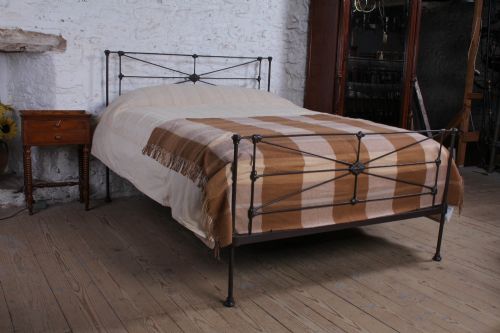


Classic Iron Bedstead
A classic iron bedstead brings solid construction and period character to a bedroom, offering a sturdy frame with lasting charm.
Classic Iron Bedstead
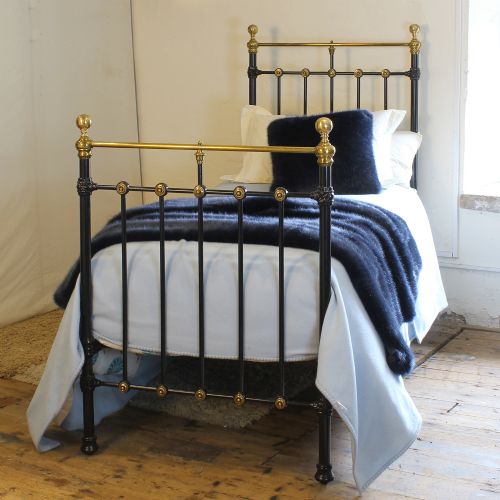
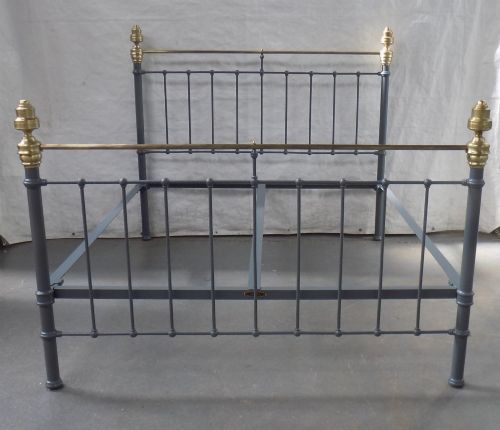
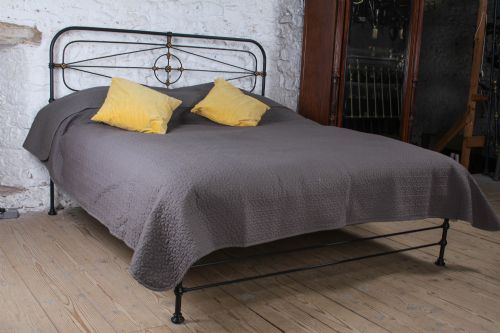
A classic iron bedstead is a substantial sleeping frame built primarily from cast iron, wrought iron, or forged iron, often combined with brass components. These pieces primarily date from the Victorian and Edwardian eras, spanning the late nineteenth century into the early twentieth century.
Buyers encounter various sizes ranging from single and three-quarter frames to large king and super king dimensions. The forms include straight rail designs, dip rail configurations, and specific regional styles such as French country and Portuguese country aesthetics.
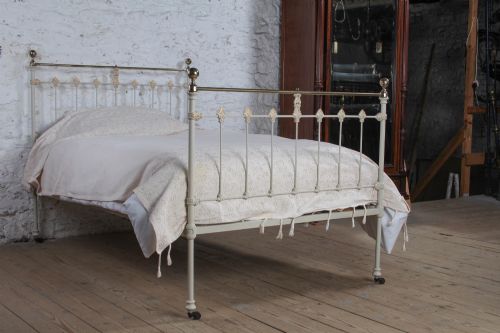
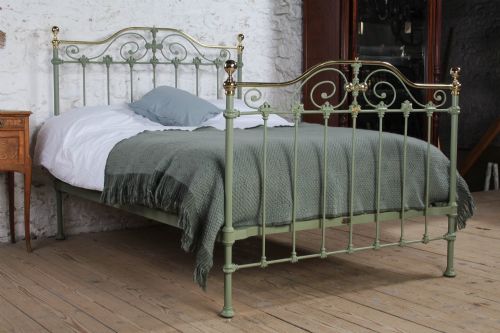
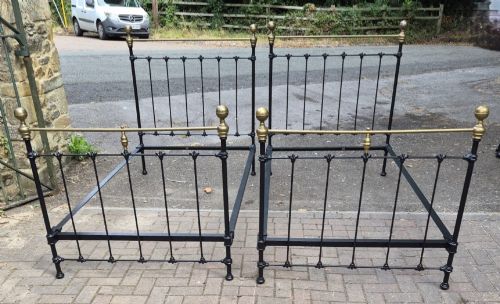
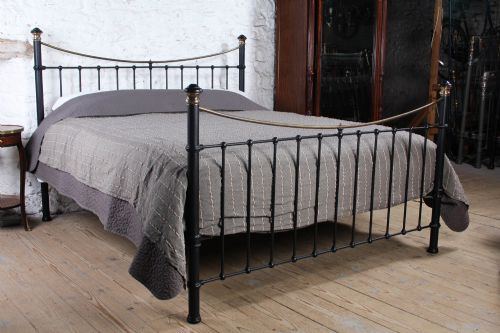
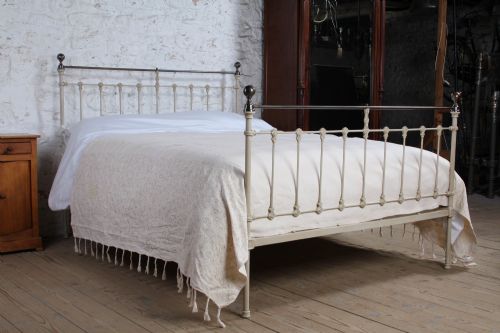
Many examples pair dark iron finishes with polished brass details, while others are found in painted formats including black, white, cream, green, and aged white with gold highlights.
How they were made
Makers utilised cast iron for structural bed ends and decorative junctions, shaping molten metal within intricate moulds. Wrought iron and forged iron provided robust linear support through manual hammering and shaping techniques.
Brass elements, including spindle details and finials, were integrated alongside iron frames to create contrast. Surface finishes involved traditional paint applications or specialised treatments that aged over time.
Some frames include a ribbon reed detail, adding a touch of soft drapery styling to rigid metal.
What varies in quality
Construction methods determine the structural integrity of each frame, distinguishing heavier cast components from lighter alternatives. The complexity of the metalwork, such as ribbon reeds or decorative brass fittings, indicates the standard of original production.
Preservation of original finishes and components influences the character of the piece, whether the metal retains its early paint or shows evidence of restoration.
Winfield
The Classic Iron Bedstead Glossary
- Cast iron
- A strong, hard iron-carbon alloy poured into moulds to create decorative and structural bed components. It forms the heavy framework characteristic of many nineteenth-century frames.
- Wrought iron
- A tough, malleable iron that can be heated and worked easily with tools. It provides dependable strength for linear structural elements.
- Dip rail
- A bed rail design that curves downwards toward the centre of the top bar. This contour is frequently observed on Edwardian and Victorian frames.
- Brass and iron
- A dual-material construction method combining dark iron frames with bright brass fittings, knobs, and spindles. This contrast defines numerous period examples.
Classic Iron Bedstead: Frequently Asked Questions
What sizes do these beds come in?
These frames are available in multiple dimensions to suit different rooms. Options range from single and three-quarter sizes to standard double, king, and super king formats.
Larger configurations often feature reinforced rails and substantial headboards designed for spacious bedrooms.
How do I care for an iron bed?
Maintenance involves gentle cleaning with a soft, dry cloth to remove dust from the metal surfaces. Avoid abrasive cleaners that might damage painted or polished finishes.
Periodical checks on bolts and joints help keep the structure stable and secure during everyday use.
Are modern mattresses compatible with these beds?
Most antique frames accommodate standard mattress dimensions, though historical sizing can occasionally vary slightly from modern standards. Checking the internal length and width ensures a proper fit.
Additional support slats may be required depending on the specific bed frame construction.
How do I identify a Victorian iron bed?
Victorian examples typically display robust cast iron construction, often paired with brass spindles and detailed joint fixings. Dating relies on stylistic cues like straight rails or specific proportions.
Many period pieces also feature maker stamps or distinct foundry marks cast directly into the metal components.