

Classic French Bronze
When you handle classic french bronze, you hold centuries of foundry skill and sculptural refinement from the chateaux and salons of France.
Classic French Bronze
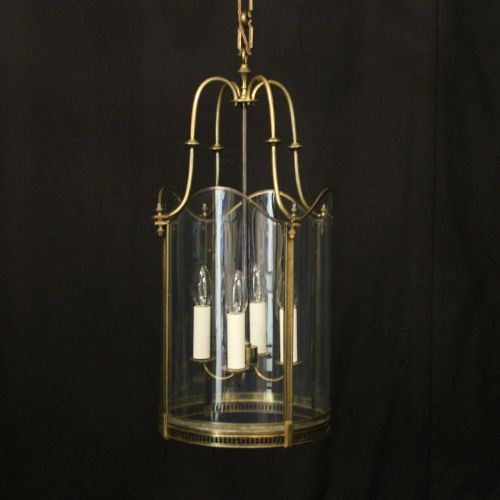
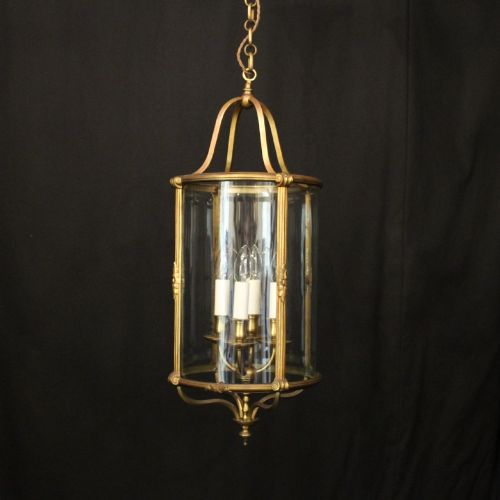
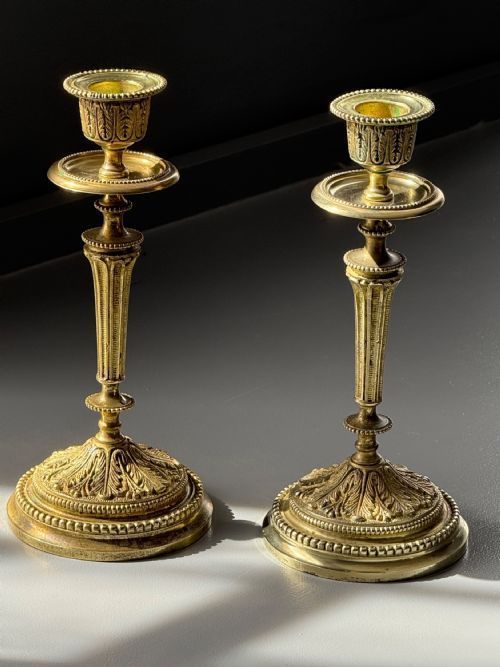
Classic french bronze encompasses a rich variety of decorative objects, from large multi-light chandeliers and hall lanterns to mantel clocks, candelabras, and sculpted figures. These items emerged from periods spanning the eighteenth, nineteenth, and early twentieth centuries, reflecting changing tastes under various regimes.
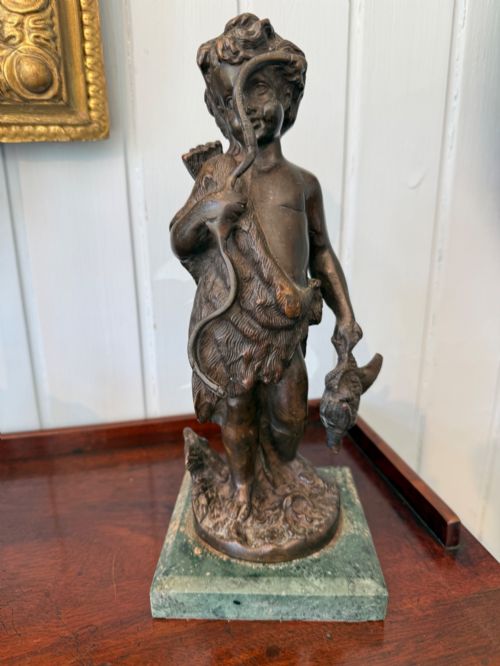
The objects frequently take neoclassical, empire, or rococo forms, drawing heavily on classical mythology and architectural motifs. Figures of cherubs, maidens, and historical subjects appear regularly alongside utilitarian items like inkwells and vitrine mounts.
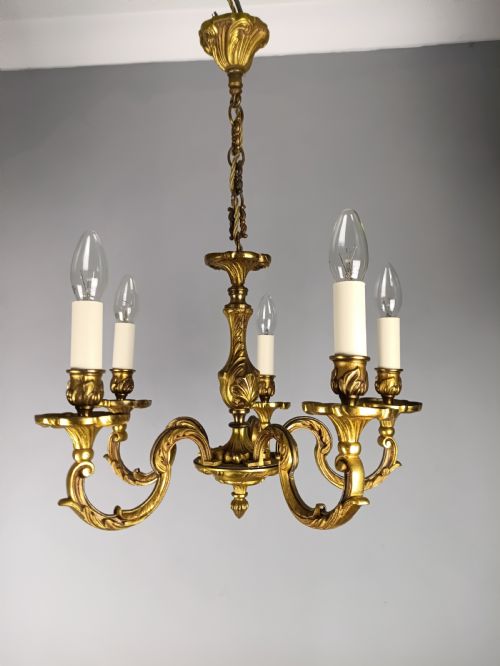
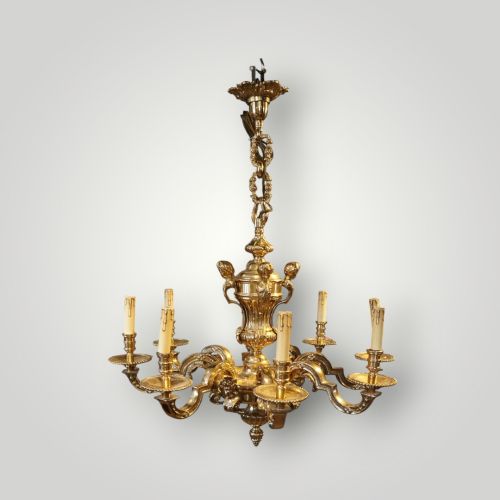
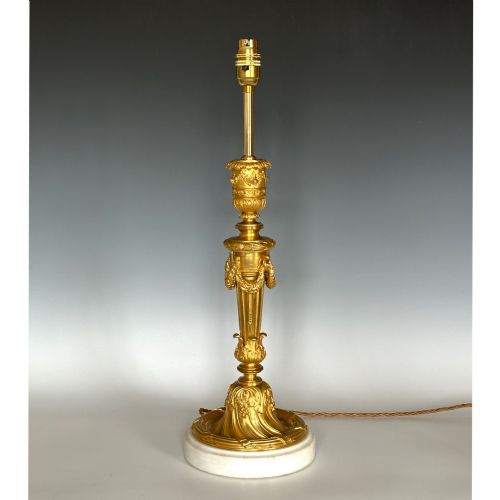
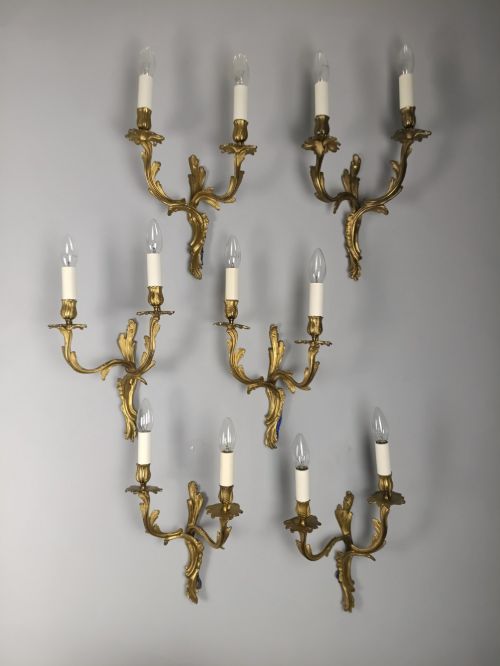
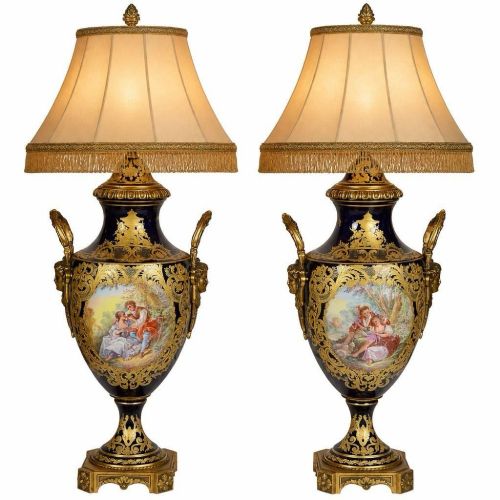
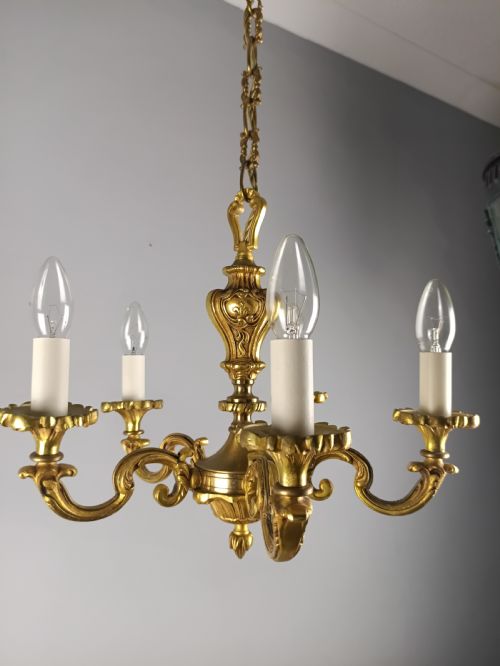
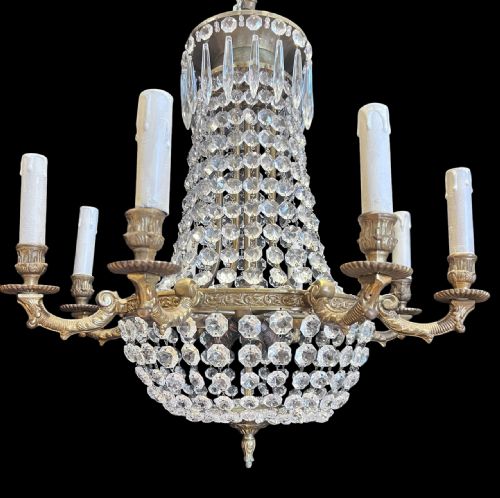
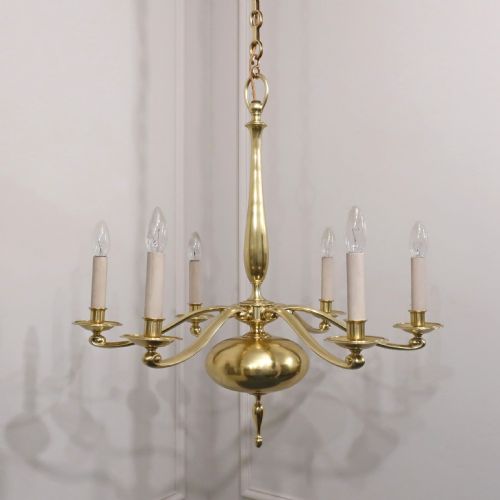
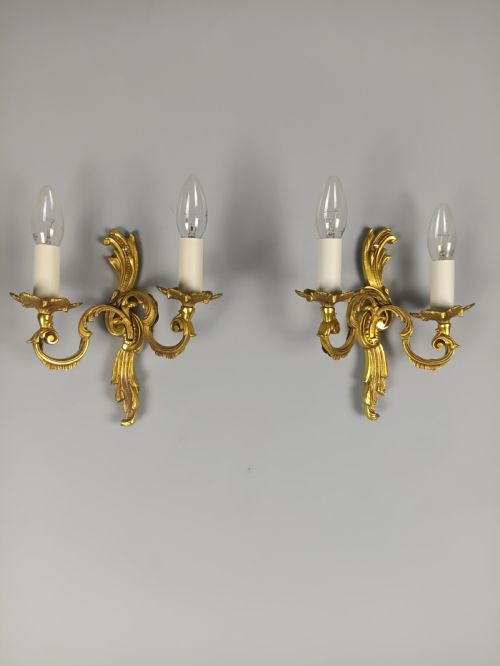
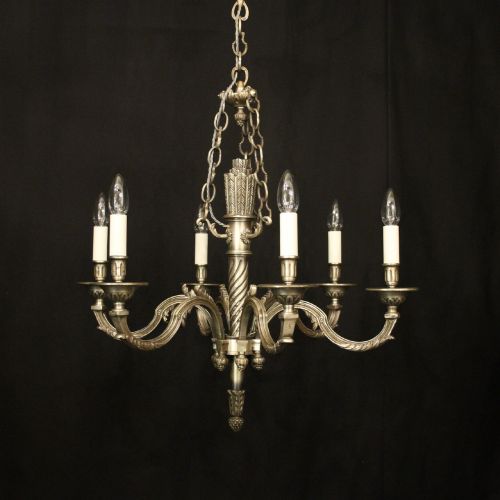
On this page, buyers frequently encounter lighting fixtures such as gilded bronze chandeliers and wall lights, alongside sculptural studies and ornamental urns mounted on marble plinths. These pieces bring a distinct continental presence to period interiors.
Materials and construction methods
Foundries utilised traditional lost-wax casting and sand-casting techniques to shape the metal into intricate forms before hand-chasing the surface details with small chisels and punches. This meticulous post-casting work defined the sharpness of drapery folds, hair, and foliate ornament.
Makers applied finishes such as mercury gilding, known as ormolu, or patination using chemical solutions to create deep brown or black surfaces on the bronze. Many items combine these metallic elements with contrasting materials like Sienna, rouge, or giallo di siena marble bases.
Several cherubs double as lighting engineers, holding up torches and wall sconces with perpetual angelic cheer.
Distinctions in quality and execution
The refinement of the chasing separates standard decorative items from superior works of art, where every leaf, feather, and muscle retains crisp definition without softening from worn moulds. High-quality casting shows depth and undercut details rather than flat, simplified planes.
The depth and brilliance of the ormolu or the subtlety of the chemical patination indicate the skill applied in the workshop. Heavier gauge metal, well-integrated structural pins, and signed components or foundry marks further elevate the standing of an individual piece.
Henri Godet·G.E.C·Lucien Madrassi·Coustou·Etienne Dumaige·Pierre Alexander Schoenewerk·Japy Freres
The Classic French Bronze Glossary
- Ormolu
- Gilt bronze produced by applying a mercury and gold amalgam to the metal surface and firing it to drive off the mercury. This technique creates a durable, luminous golden finish characteristic of eighteenth and nineteenth-century luxury goods.
- Patina
- The surface coloration and texture developed through age, handling, or chemical treatment applied by the founder. On bronze, this ranges from deep chocolate brown to polished highlights.
- Chasing
- The process of hand-finishing a cast bronze using small steel punches and hammers to sharpen details and remove casting flaws. Superior chasing distinguishes master foundry work from mass production.
- Garniture
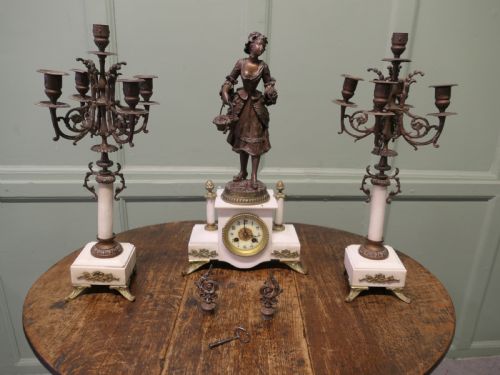
- A set of decorative matching objects, typically a mantel clock flanked by matching candelabras or urns, designed to sit together on a fireplace mantel or sideboard.
- Grand Tour
- The nineteenth-century practice where wealthy travellers collected classical bronzes, urns, and architectural models as cultural mementos of journeys through France and Italy.
Classic French Bronze: Frequently Asked Questions
How do I clean classic french bronze?
Dust the surface regularly with a soft, dry brush to prevent grime accumulation in the recesses of the chasing. Avoid abrasive commercial cleaners or chemical polishes that strip away the historic patina or gold layer.
For gilded ormolu surfaces, a gentle wipe with a damp cloth followed by immediate drying is usually sufficient. Consult a specialist restorer if the piece requires deeper conservation.
Can these chandeliers be wired for modern electricity?
Many antique lighting fixtures arrive already converted or retain original configurations that accommodate modern wiring safely. Professional electricians can run internal cords through the bronze arms without damaging the structure.
Retaining the original candle tubes and sockets helps preserve the visual integrity of the fixture while meeting contemporary safety standards.
What is the difference between bronze and spelter?
Bronze is a robust alloy of copper and tin that accepts fine chasing and holds crisp detail over centuries. Spelter, or white metal, is a softer zinc-based alloy frequently used in cheaper nineteenth-century decorative figures.
Weight, magnetic response, and the sharpness of the surface details help differentiate the durable bronze from the softer substitute.
How do I identify the period of a bronze piece?
Examine the style of the base, the garment folds, and the casting technique to align the piece with periods like Empire, Neoclassical, or Rococo Revival. Foundry marks, signatures, and the type of marble used for the plinth offer additional chronological clues.
Comparative study against documented works by known nineteenth-century founders and sculptors often confirms the date of manufacture.