



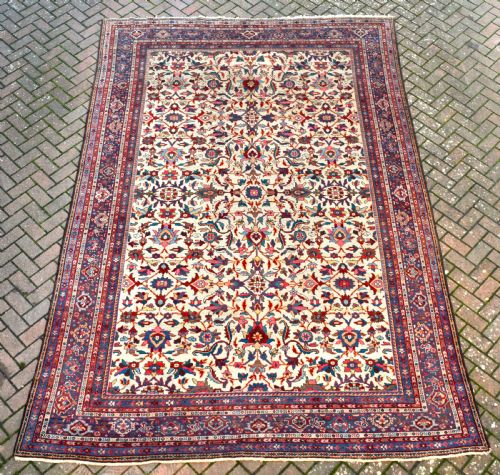

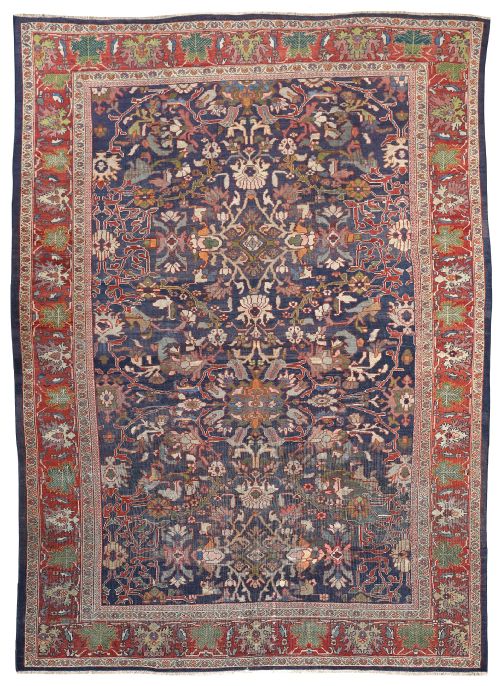


Classic Floral Carpet
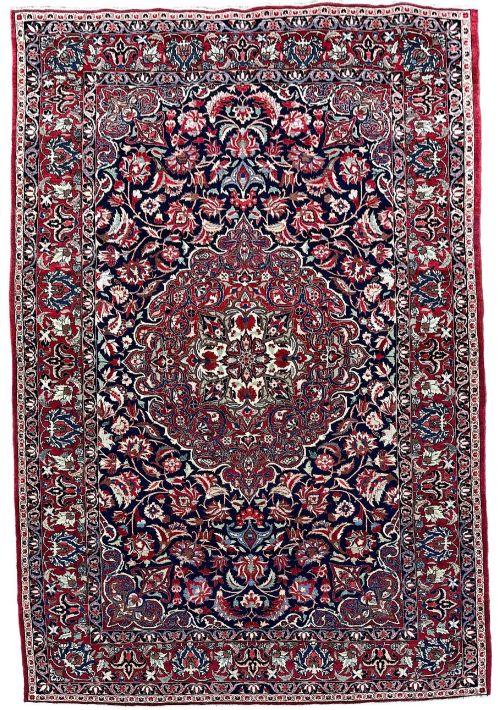
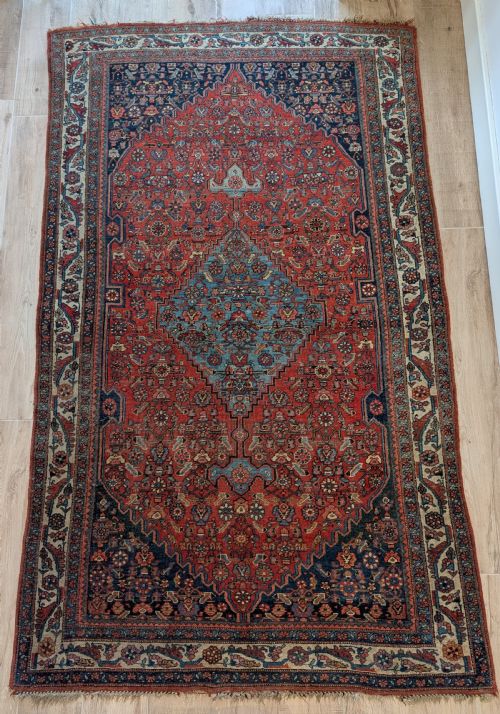
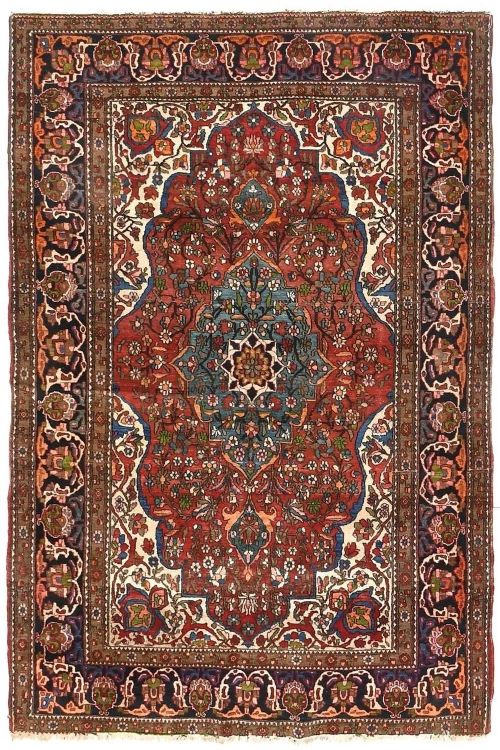
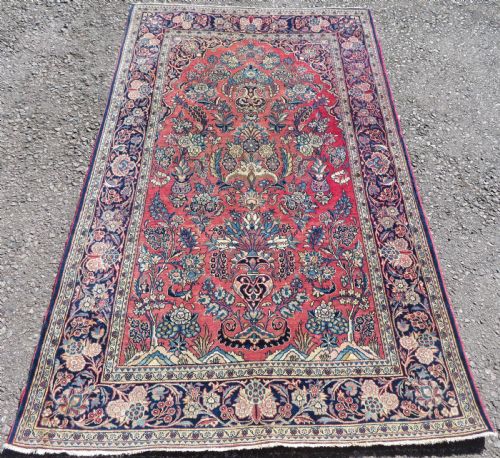
A classic floral carpet brings together centuries of regional weaving traditions and botanical motifs designed to anchor a room.
Classic Floral Carpet
When you search for a classic floral carpet, you encounter room-sized floor coverings and smaller area rugs originating from Persian, Turkish, Indian, and European weaving centres. These pieces span the late nineteenth century into the early decades of the twentieth century, showcasing traditional regional motifs and time-honoured knotting methods.
You are most likely to meet Persian examples on this page, particularly carpets attributed to Isfahan, Tabriz, Kashan, Kirman, Mahal, and Sultanabad. Alongside these, Turkish Sivas, Isparta, and Anatolian rugs appear, together with occasional European Aubusson pieces and Indian interpretations of Persian designs.
The formats range from compact scatter rugs measuring under two metres to substantial room-sized carpets exceeding five metres in length. Many feature central medallions surrounded by elaborate floral sprays, vines, and palmettes executed in wool and cotton.
How they were made
The foundation of these carpets typically relies on a cotton warp and weft, providing a stable grid for the dense pile. Wool forms the surface pile, dyed in various regional hues to create intricate botanical patterns.
Weavers tied individual knots by hand onto the vertical warps, securing each row with horizontal weft threads before shearing the pile to an even height. This meticulous manual labour allowed for the curves and complex detailing characteristic of floral compositions.
Classic Floral Carpet Retail Price Guide 2026
Typical asking prices for classic floral carpet among the pieces listed under this phrase on Sellingantiques today, from the lower quarter to the upper quarter. They describe what is for sale here now, not the wider market.
Listings span from the 1870s to the 1930s, featuring wool and cotton construction across Persian, Turkish, Indian, and European styles.
What varies in quality
Knot density and fineness of weave separate everyday regional production from exceptional workshop pieces. A tighter knot count permits sharper botanical outlines and greater durability under foot.
The harmony and saturation of the dyes also distinguish different grades. Subtle variations in wool quality and the depth of the palette determine how the floral design reads across the field of the carpet.
Ziegler & Co
The Classic Floral Carpet Glossary
- Medallion
- A central ornamental motif, often circular or oval, positioned in the middle of the carpet field. It serves as the visual anchor for the surrounding floral design.
- Warp
- The vertical foundation threads stretched lengthwise on the loom before knotting begins. Cotton is the standard material used for this structural grid.
- Weft
- The horizontal threads passed across the warps between rows of knots to hold the structure firm. These threads run from one edge of the carpet to the other.
- Pile
- The upright cut ends of the knotted yarn that form the usable surface of the carpet. Wool is the predominant material utilised for this layer.
- Palmette
- A stylized floral motif resembling a fan-shaped palm leaf or unfolding blossom, frequently repeated in classical borders and field patterns.
Classic Floral Carpet: Frequently Asked Questions
How do I choose the right size?
Measure your floor space carefully, allowing a generous margin of bare flooring around the edges to let the floral design breathe within the room.
Consider how furniture placement interacts with the central medallion so that key motifs remain visible rather than hidden beneath heavy tables.
Where were these carpets made?
The pieces originate from prominent weaving regions across Persia, Turkey, and India, with occasional European examples from France.
Each centre utilised distinct local colour palettes and drawing styles, from the curved vines of Isfahan to the bolder formats of Sultanabad and Mahal.
How should I care for my rug?
Vacuum the carpet gently and regularly using a suction-only attachment to avoid catching the delicate wool pile or fringed ends.
Keep the piece out of direct sunlight to prevent the natural dyed colours from fading unevenly over years of display.
Are these rugs suitable for daily use?
Wool and cotton construction makes these traditional carpets durable enough for moderate foot traffic in living areas and bedrooms.
Using a quality underlay helps cushion the foundation threads and prevents slipping on hard floor surfaces.