





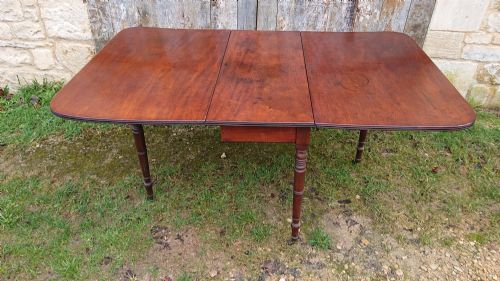

Classic Drop Leaf Table
A classic drop leaf table is a practical timber surface with folding flaps that adjusts to space, making it a clever choice for flexible rooms.
Classic Drop Leaf Table
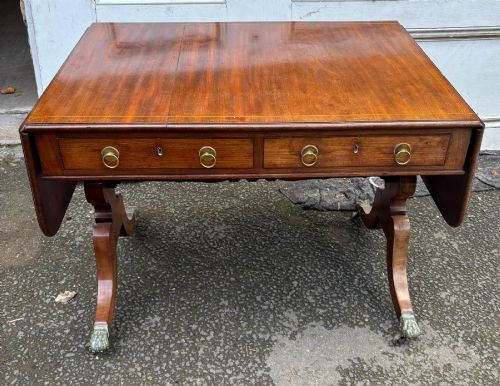
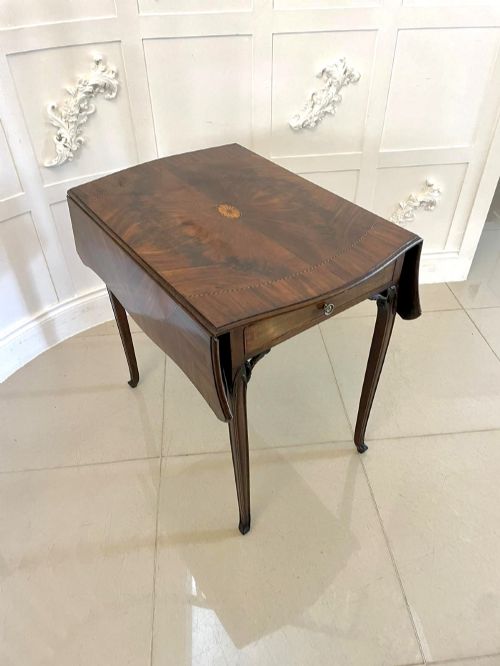
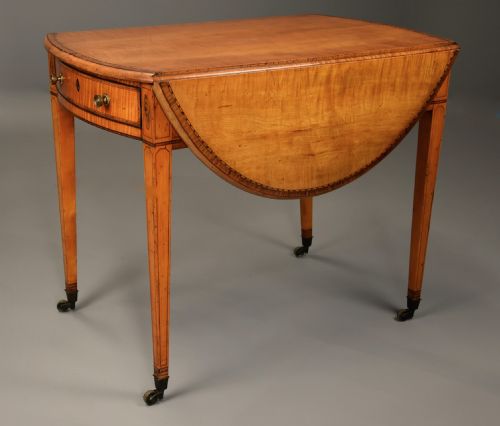
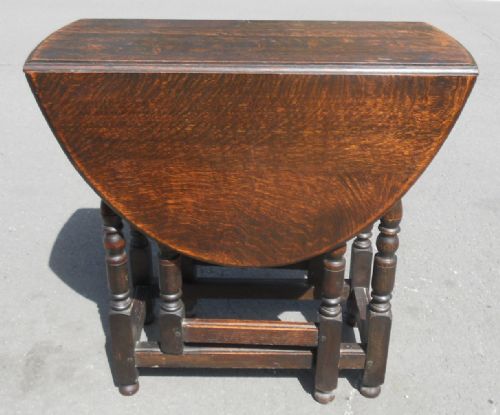
When you search for a classic drop leaf table, you encounter versatile timber furnishings designed to expand or contract according to domestic needs. These pieces encompass various forms including Pembroke tables, sofa tables, and gateleg dining tables.
The selections span distinct historical eras, featuring Georgian, Regency, and Edwardian examples alongside sturdy 1920s oak pieces. Such tables served diverse functions in period homes, acting as tea caddy surfaces, occasional tables, or extending dining arrangements.
Mahogany predominates among the surviving examples, often enriched with satinwood, rosewood, or sycamore details. You are most likely to meet mahogany Pembroke tables and folding dining tables displaying traditional craftsmanship from the eighteenth and nineteenth centuries.
How they were made
Cabinet makers utilised dense hardwoods such as mahogany and solid oak for the primary framework and leaves, ensuring structural stability for the folding mechanisms. Crossbanding in rosewood or satinwood added decorative contrast to the timber surfaces.
Brass fittings frequently appeared on castors or handles, particularly on Regency sofa tables and Pembroke designs. Inlayers incorporated fine sycamore and boxwood stringing to accentuate the geometric lines of Georgian and Edwardian tops.
Classic Drop Leaf Table Retail Price Guide 2026
Typical asking prices for classic drop leaf table among the pieces listed under this phrase on Sellingantiques today, from the lower quarter to the upper quarter. They describe what is for sale here now, not the wider market.
The listings span several distinct periods including Georgian, Regency, 19th Century, Edwardian, and 1920.
What varies in quality
Quality rests upon the selection of timber figures, such as fiddleback sycamore or rich mahogany grain, and the precision of the crossbanding. Superior examples display harmonious colour and a fine, natural patina developed over centuries of use.
The sophistication of the secondary woods and the intricacy of the inlay work distinguish finer workshops from standard production. Constructional integrity in the folding hinges and drop-leaf supports dictates the enduring utility of each piece.
James Mein Kelso
The Classic Drop Leaf Table Glossary
- Pembroke table
- A small rectangular table with two hinged flaps on the sides, typically featuring one or two drawers. It gained popularity during the eighteenth century for breakfast or occasional use.
- Sofa table
- A graceful writing or work table designed to stand in front of a sofa, usually featuring drop leaves at either end and double pedestal supports.
- Gateleg table
- A table with one or two hinged leaves supported by legs that swing outward like a gate. This construction provides robust support for dining surfaces.
- Crossbanding
- A decorative border of veneer laid across the grain of the main surface. It creates a neat framing effect on tabletops and drawer fronts.
Classic Drop Leaf Table: Frequently Asked Questions
How do I identify a Georgian table?
Georgian tables typically display dense mahogany timbers, elegant proportions, and restrained classical carving such as square tapering legs or spade feet. Inlaid stringing and brass castors often feature on finer examples from the eighteenth century.
Construction methods also aid identification, including hand-cut dovetails within drawer boxes and traditional peg joints. Examining the underside reveals the tool marks characteristic of period workshop production.
Where should I place a Pembroke table?
A Pembroke table suits smaller spaces like hallways, studies, or drawing rooms due to its slender profile and folding leaves. Lowering both leaves allows the table to sit flat against a wall as a decorative console.
Raising one or both leaves creates an adequate surface for writing or holding lamps. Their compact footprint makes them exceptionally versatile in contemporary interiors.
How do I care for antique mahogany?
Antique mahogany benefits from regular dusting with a soft, dry cloth to prevent abrasive particles from accumulating on the finish. Avoiding direct sunlight and extreme temperature fluctuations preserves the natural moisture and rich colour of the timber.
Applying traditional beeswax occasionally nourishes the wood and enhances the historic patina. Avoid silicone sprays and excessive moisture, which can damage aged French polish.