


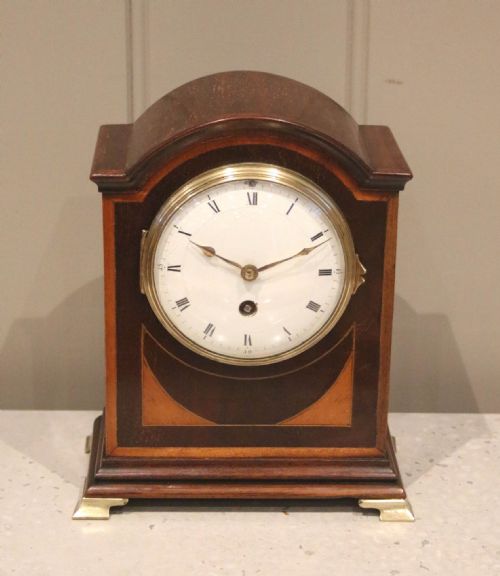


Classic Brass Desk Clock
These classic brass desk clock pieces combine heavy metal cases and precise movements, offering a striking focal point for any study or mantelpiece.
Classic Brass Desk Clock
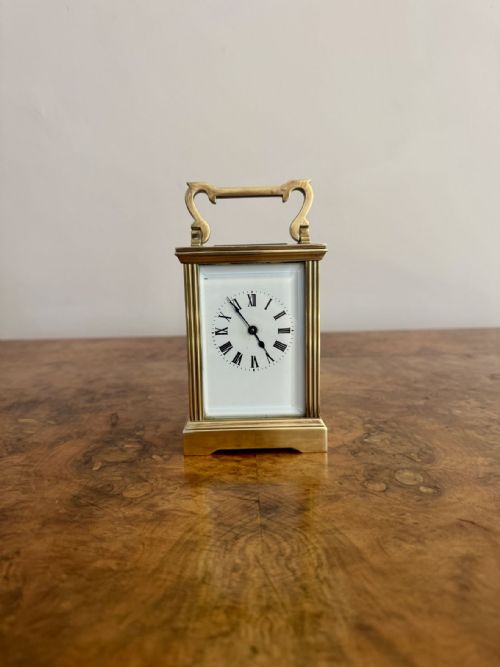
When you search for a classic brass desk clock, you encounter a variety of portable timepieces spanning several centuries and stylistic revivals. The selection ranges from robust nineteenth-century carriage designs to mid-century mechanical creations housed in polished metal and glass enclosures.
Most examples you meet on this page lean heavily towards Victorian carriage clocks and mid-century mechanical desk pieces. These objects served both practical timekeeping purposes and functioned as decorative accessories for writing desks and libraries.
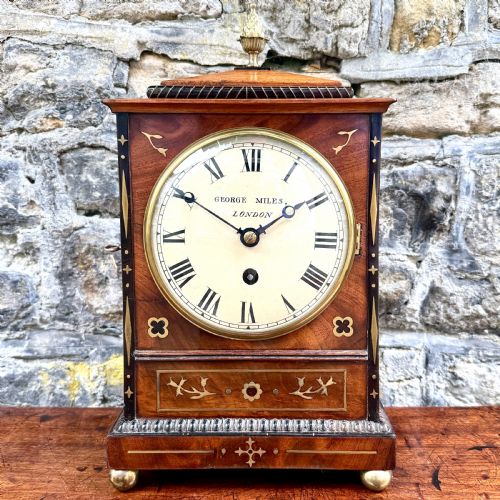
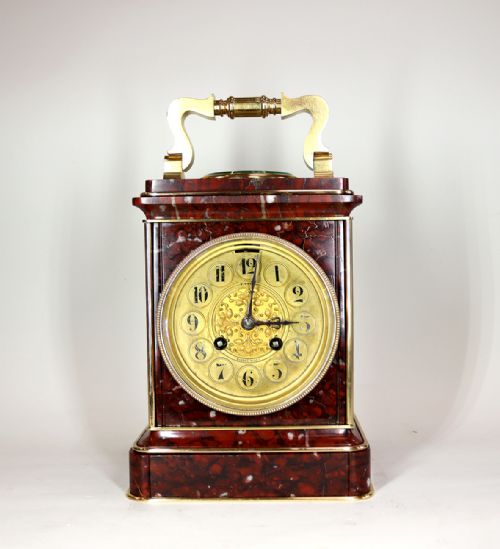
The assortment includes diverse forms such as bracket clocks and mantel clocks alongside traditional portable timepieces. Materials extend beyond pure metal to incorporate rich hardwoods and decorative stone bases.
How they were made
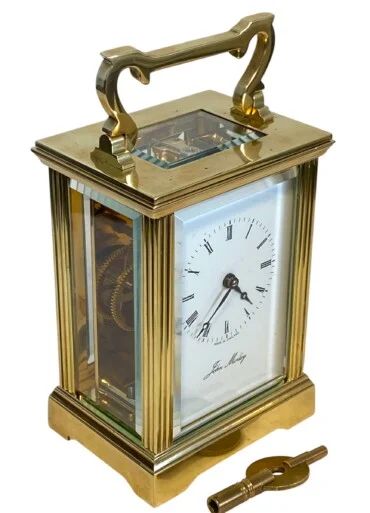
The construction of these timepieces relies heavily on polished brass and gilt metal, often combined with bevelled glass panels to reveal the internal movement. Many enclosures integrate solid mahogany or marble plinths to provide stability and visual contrast.
Makers utilised intricate mechanical movements driven by springs and escapements, occasionally incorporating striking mechanisms for hours and quarters. Dial faces frequently employ white enamel with bold numeric indicators, protected beneath clear glass covers.
Some nineteenth-century travellers packed their brass timepieces in custom leather travelling cases to survive bumpy carriage rides across Europe.
What varies in quality
The calibre of a timepiece is distinguished by the weight and finish of its metal case and the precision of its internal movement. Heavier cast brass frames and thick bevelled glass panes separate superior examples from lighter, mass-produced alternatives.
Execution of decorative details, such as crisp engraving on gilt brass and the quality of enamel dial painting, determines the upper tier of the range. The reputation of the maker and the complexity of the striking train also influence the standing of an individual clock.
John Morley·Dent of London·Luxor·Jaeger Le Coultre
The Classic Brass Desk Clock Glossary
- Carriage clock
- A small, portable spring-driven timepiece designed for travellers, typically featuring a glazed brass case and a swinging handle on top. These items originated in France during the nineteenth century.
- Bracket clock
- A portable table clock historically placed upon a dedicated wall bracket or furniture surface. They often feature wooden cases with brass carrying handles and intricate dial work.
- Enamel dial
- A clock face created by fusing powdered glass onto a metal substrate under high heat. This technique produces a smooth, durable surface that resists fading over time.
- Atmos clock
- A mechanical timekeeper manufactured by Jaeger-LeCoultre that runs on temperature fluctuations in the environment. It requires no manual winding and operates continuously.
- Gilt brass
- Base metal treated with a thin layer of gold or gold-coloured alloy to give a rich, reflective finish. This treatment protects the underlying brass from tarnishing.
Classic Brass Desk Clock: Frequently Asked Questions
How do I wind a mechanical desk clock?
Most mechanical movements utilise a small key inserted into specific arbours on the dial or back plate to tension the mainspring.
Turn the key gently until you feel firm resistance, avoiding over-winding to protect the internal components.
Where should I place a brass desk clock?
Position your timepiece on a stable, level surface away from direct sunlight, excessive moisture, and heavy vibrations.
Studies, mantelpieces, and secure desks provide ideal environments where the movement can operate without interference.
How do I identify the period of a clock?
Examine the stylistic cues of the case, such as Victorian brass casting details or mid-century minimalist lines, alongside any maker signatures.
Materials like mahogany, rouge marble, and gilt brass often align with specific manufacturing eras recorded in the design history.
Do these clocks require professional maintenance?
Mechanical timepieces benefit from periodic servicing by a qualified horologist to clean old lubricants and ensure accurate timekeeping.
Regular care prevents unnecessary wear on the gears and keeps the delicate spring mechanisms functioning smoothly.