





Brass Clock Key
A brass clock key is the essential winding tool that brings mechanical timepieces to life, prized by collectors for period accuracy and function.
Brass Clock Key
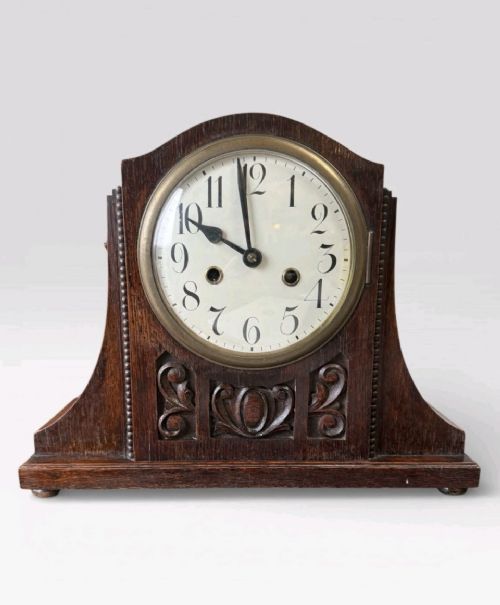
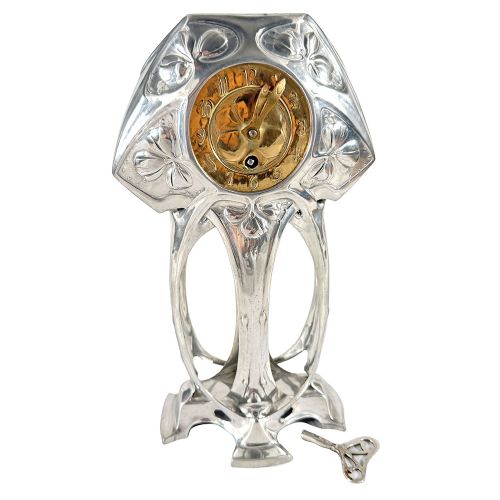
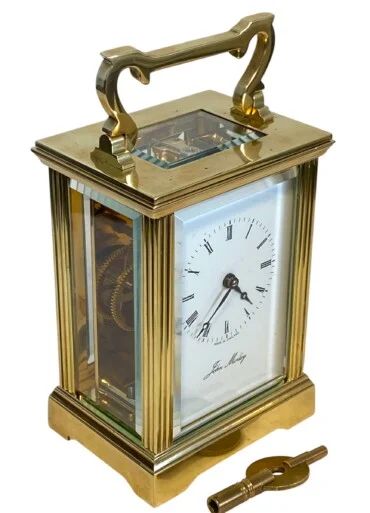
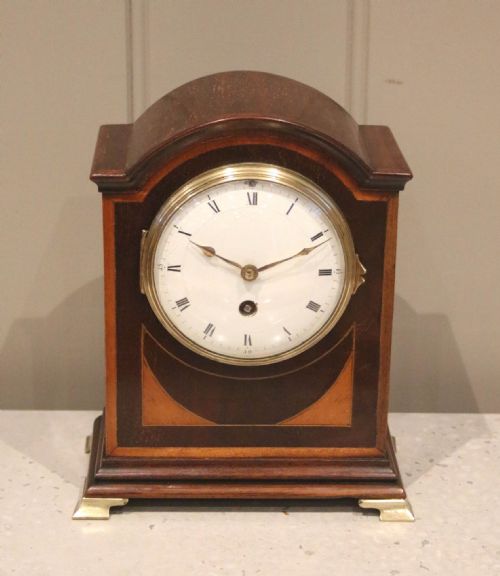
When you search for a brass clock key, you find winding implements associated with a diverse range of horological items, from nineteenth century French carriage clocks to Edwardian mantel timepieces. These keys are designed to fit the square winders of mechanical movements, ensuring the ongoing operation of antique clocks.
The pieces listed on this page encompass accessories accompanying carriage clocks, wall clocks, and mantel clocks across various eras. While many vintage timepieces survive without their original winding tools, finding a correct period key completes the functional integrity of the clock.
Materials and construction
These winding tools are fashioned primarily from solid brass or gilt brass, cast and machined to match specific square gauge sizes for different winding arbors. The metalwork often matches the brass frames, bezels, and dials of the clocks they serve, maintaining a cohesive aesthetic.
Production techniques rely on traditional metalworking methods, ranging from simple cast brass fabrication to more intricate hand-finished components found on nineteenth century French and English timepieces.
Materials appearing alongside these winding items include glass, enamel, mahogany, oak, pewter, and leather.
Determinants of quality
Quality in these winding tools relates to the precision of the square aperture and the integrity of the metal. A superior example shows crisp internal angles that fit the arbor snugly without slipping, preventing wear to the movement over decades of winding.
Material finishing also distinguishes the better examples, where clean casting, balanced proportions, and supplementary details like matching gilding elevate a simple functional accessory into a correct period pairing for high grade clocks.
Friedrich Adler for Osiris·John Morley·L Epee·Dehné of Paris·Maple of London·Drocourt·Duverdrey & Bloquel·Asprey·Bernard Freres
The Brass Clock Key Glossary
- Clock key
- A specialised winding tool with a hollow square aperture designed to fit the winding arbors of mechanical clocks.
- Carriage clock
- A portable spring driven timekeeper developed in the nineteenth century, frequently housed in a brass and glass case and often supplied with a matching key.
- Winding arbor
- The square projecting shaft on a clock movement that receives the key to tension the mainspring.
- Gilt brass
- Base brass metal treated with a thin layer of gold or gold coloured wash to enhance appearance and resist tarnishing.
Brass Clock Key: Frequently Asked Questions
How do I find the right size?
You determine the correct size by measuring the width of the square winding arbor on your clock movement in millimeters.
A matching key must slip onto the arbor securely with minimal lateral play to avoid rounding off the corners during regular winding.
Are original keys important?
Original winding tools hold greater interest for collectors because they match the manufacturing period and finish of the associated timepiece.
Finding a period appropriate replacement ensures the clock remains operational while maintaining its historical completeness.
What materials were used?
Winding accessories from the nineteenth and twentieth centuries are typically constructed from solid brass or gilt brass to match movement components.
Some examples coordinate with the specific brass cases of carriage clocks or the wooden cabinetry of mantel and wall clocks.
Can I use modern replacements?
Modern generic replacements function adequately for routine winding if the square aperture matches the dimensions of the movement arbor.
However, period pieces offer the correct aesthetic weight and material quality expected by traditional clock collectors.