





Classic Bracket Clock
These classic bracket clocks bring architectural presence and precise mechanical movement to a room, offering both reliable timekeeping and period craftsmanship.
Classic Bracket Clock
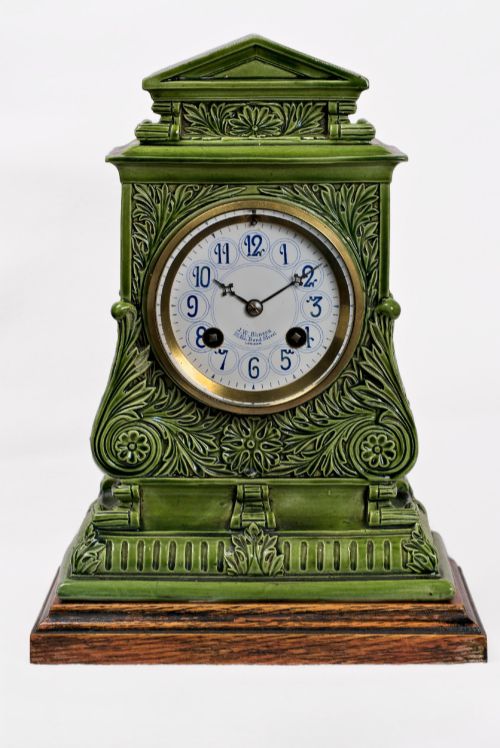
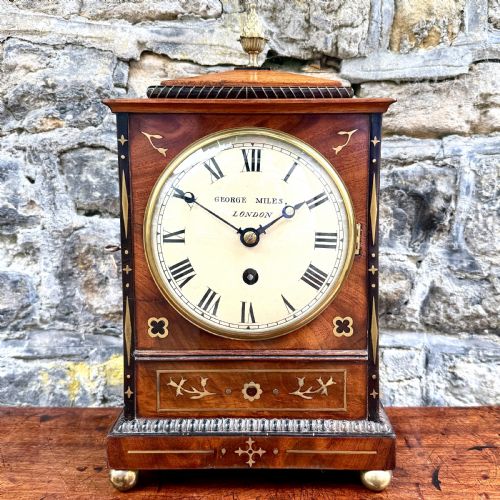
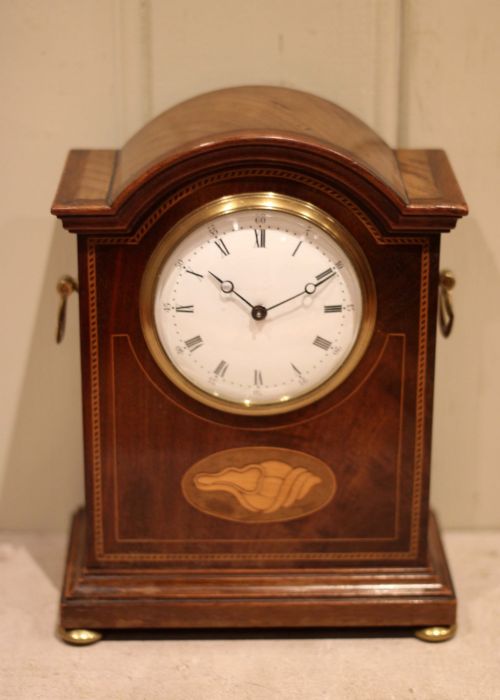
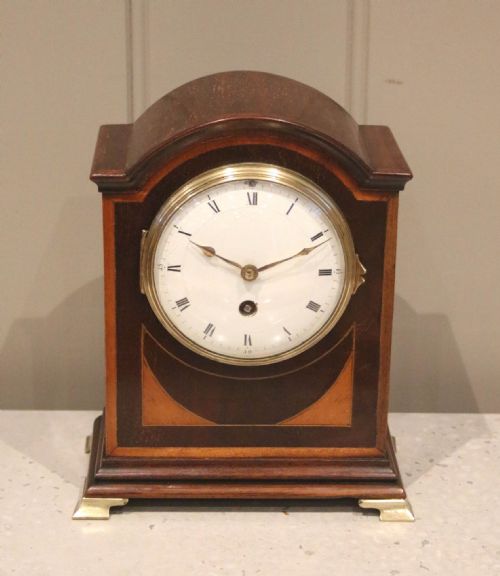
A classic bracket clock is a portable timekeeper designed originally to sit upon a wall bracket or a tabletop. The selection ranges from Georgian and Regency examples to Edwardian and mid-century interpretations.
Mahogany forms the primary housing material across the periods, often complemented by satinwood inlay, brass mounts, and glass panels. Dial designs feature enamel numerals protected behind glazed bezels, while movements vary from simple timepieces to complex striking mechanisms.
Originating in standard table and mantel formats, these items combine cabinetry with horological engineering. Most pieces encounterable on this page display traditional English or Continental stylistic influences.
Materials and construction methods
Horologists fitted mechanical movements within these wooden enclosures, utilising brass gear trains and enamel dials. Glass windows protect the dial face while allowing a clear view of the hands.
Classic Bracket Clock Retail Price Guide 2026
Typical asking prices for classic bracket clock among the pieces listed under this phrase on Sellingantiques today, from the lower quarter to the upper quarter. They describe what is for sale here now, not the wider market.
Materials utilised across the available pieces include mahogany, walnut, lapis lazuli, brass, and delicate satinwood inlay.
Quality factors in timepieces
The refinement of the cabinetwork dictates the initial impression of quality, particularly the crispness of any satinwood inlay and the integration of brass mounts. Finer examples exhibit balanced proportions and substantial timber selection that has aged with a rich patina.
Mechanical sophistication separates standard timepieces from intricate striking clocks equipped with multiple train movements. The clarity of the enamel dial and the precision of the brass fittings complete the distinction between ordinary and exceptional specimens.
Dent of London·DeLa Salle And Christie, London·Garrards·Luxor
The Classic Bracket Clock Glossary
- Bracket clock
- A portable domestic clock designed for placement on a bracket or table. These pieces usually feature a carrying handle on the architectural wood case.
- Timepiece
- A clock that indicates the time without striking hours or quarters. This simpler movement focuses entirely on keeping the hours and minutes.
- Fusee
- A conical pulley used in clock movements to equalize the declining pull of the mainspring. This mechanism ensures consistent power delivery to the gear train.
- Enamel dial
- A clock face made by fusing powdered glass to a metal substrate at high temperatures. These crisp white surfaces provide a durable background for painted numerals.
Classic Bracket Clock: Frequently Asked Questions
What is a classic bracket clock?
A classic bracket clock is a portable timepiece traditionally housed in a wooden case made of mahogany or walnut, designed to sit on a shelf or desk.
These clocks frequently incorporate brass mounts and glass panels, combining functional horology with cabinetmaking traditions across various historical periods.
How do I wind my clock?
Winding requires inserting a key into the winding holes on the dial face to tension the internal mainspring.
Care should be taken not to overwind the movement, ensuring the mechanical parts maintain steady operation over their designated eight-day or daily cycles.
Where should I place it?
These clocks suit stable surfaces such as mantelpieces, desks, or dedicated wall brackets where vibrations are minimal.
Placing the piece on a level foundation ensures the pendulum or balance wheel maintains an even beat for accurate timekeeping.
How do I identify the period?
Dating relies on stylistic clues found in the cabinet wood, inlay patterns, dial construction, and overall architectural silhouette.
Georgian and Regency models exhibit distinct traditional proportions, whereas Edwardian and mid-century examples reflect later stylistic interpretations of the form.