
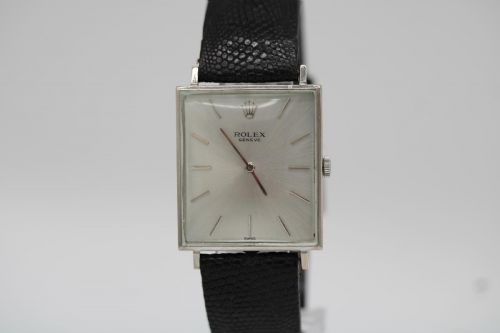
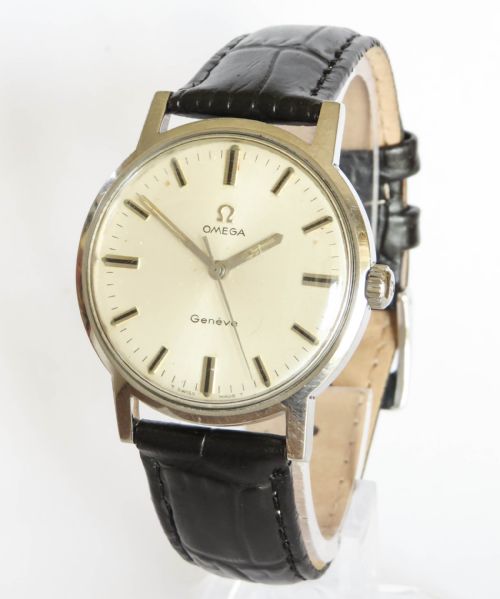
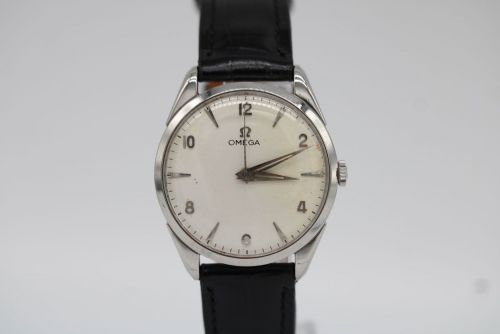
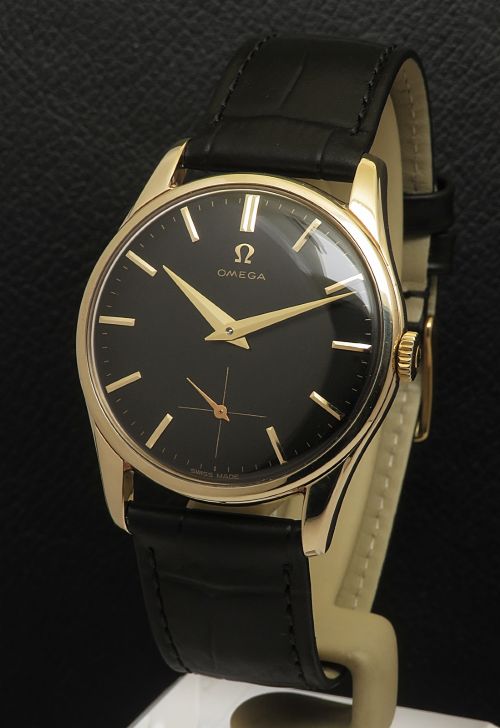



Classic Black Dial Watch
A classic black dial watch delivers understated utility and timeless wrist presence through decades of refined horological design.
Classic Black Dial Watch
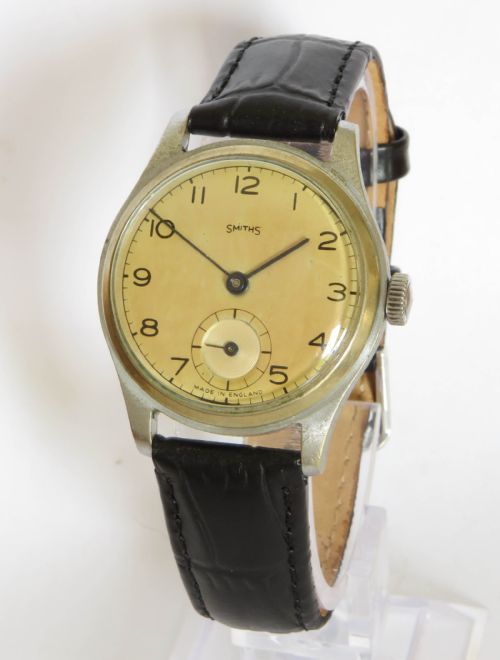
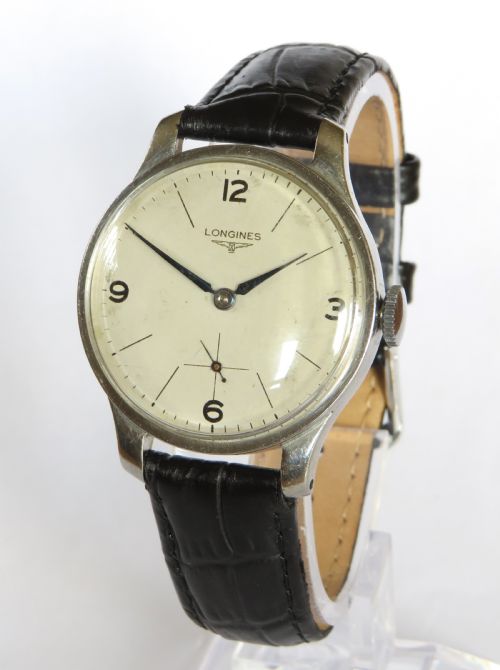
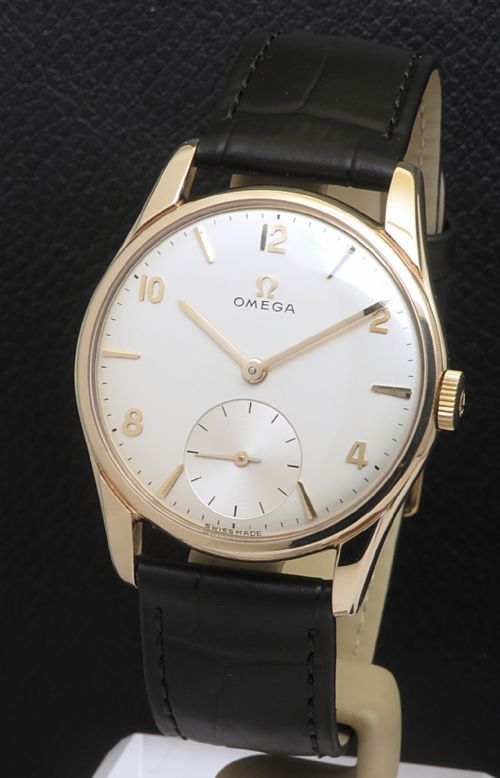
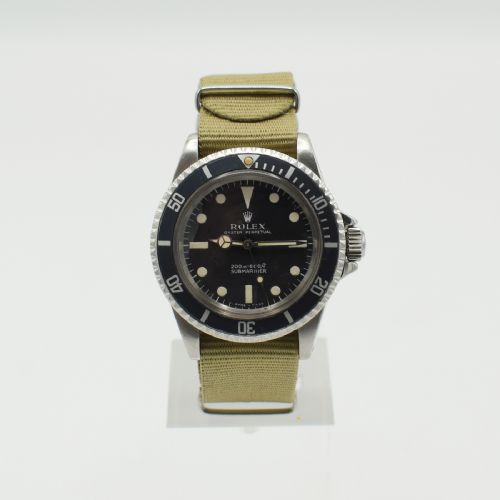
A classic black dial watch encompasses vintage gentleman's wristwatches spanning from the 1930s through the 1970s. These timepieces range from utilitarian manual wind models to refined dress watches housed in precious metals.
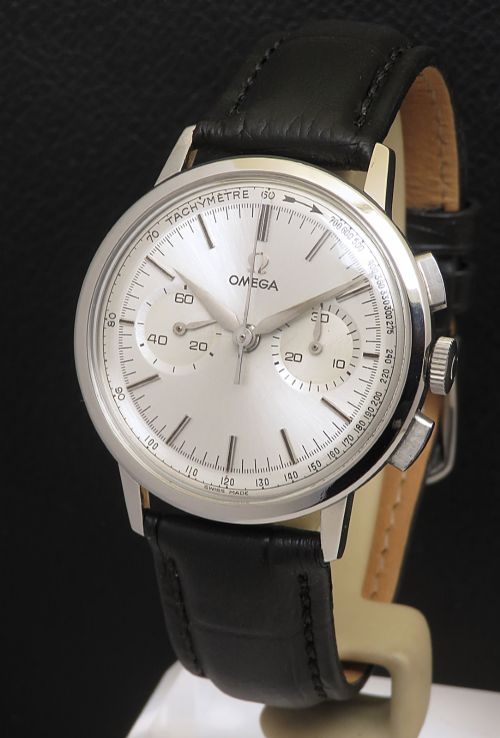
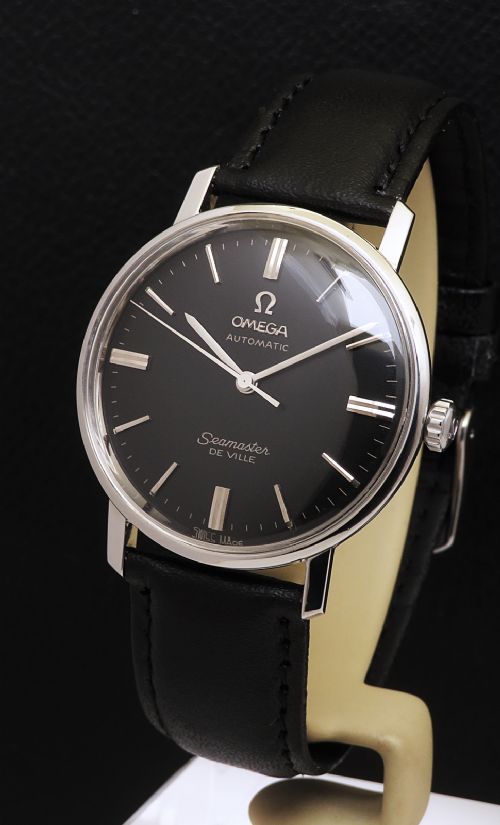
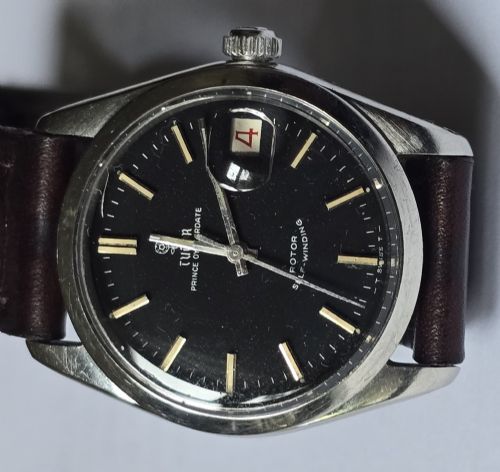
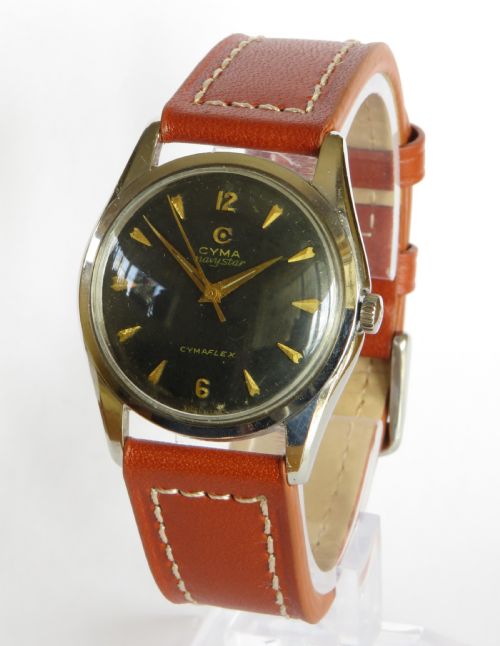
The most common examples you encounter on this page date from the mid-century period, particularly the 1950s and 1960s. Such pieces originate from notable Swiss and British makers, presenting distinct chapter rings and baton markers against dark backgrounds.
How they were made
Cases are formed from robust stainless steel, chrome, or solid gold such as 9ct and 18ct white or yellow gold, paired with protective glass or acrylic crystals. Movements rely on traditional manual wind or automatic mechanical calibres housed securely within these metal chassis.
Dials are finished with applied markers, numerals, and specialist text, while straps utilise genuine leather or matching metal bracelets. Precision engineering defines the internal mechanics, ensuring reliable timekeeping through decades of use.
A tiny smiley curve of text on the dial can secretly transform a standard vintage date into an enthusiast obsession.
What varies in quality
The degree of originality in the dial and case components dictates the standing of an individual piece. Retained factory finishes and untouched case geometry elevate a watch above examples with heavy refinishing.
The sophistication of the internal movement and the preciousness of the exterior metal further distinguish standard grade models from high-tier luxury variants. Maintenance history and mechanical complexity also influence the overall standard.
Omega·Tudor·Rolex·Cyma·Smiths·Longines·Rotary·Baume and Mercier
The Classic Black Dial Watch Glossary
- Calibre
- The specific internal mechanical movement manufactured by a watchmaker. This identifier denotes the specific design and architecture of the gears and springs powering the watch.
- Manual wind
- A mechanical movement requiring the wearer to turn the crown by hand to tension the mainspring. This traditional system lacks an internal rotor for self-winding.
- Acrylic glass
- A lightweight plastic material utilised for watch crystals prior to the widespread adoption of synthetic sapphire. It offers warmth and distinctive distortion at sharp angles.
- Automatic
- A self-winding mechanical movement utilising an internal weighted rotor that pivots with the natural motion of the wrist. This mechanism continuously tensions the mainspring during wear.
Classic Black Dial Watch: Frequently Asked Questions
How do I wind a manual watch?
Rotate the crown clockwise between your thumb and forefinger until you feel gentle resistance. Stop immediately to avoid over-tensioning the internal mainspring.
Perform this action at a consistent time each day to maintain steady power delivery to the movement.
Are vintage watches waterproof?
Vintage timepieces lack modern rubber gasket seals and pressure resistance. Exposure to moisture can quickly damage dials and rust delicate internal steel components.
Keep these watches away from swimming pools, showers, and heavy rain to preserve their mechanical integrity.
How often need they be serviced?
Mechanical watches require periodic lubrication and cleaning every few years to prevent wear on the microscopic gear pivots. Oils dry out over time, causing friction that impacts accuracy.
A professional horologist dismantles the calibre, cleans the components, and applies fresh lubricants during this procedure.