
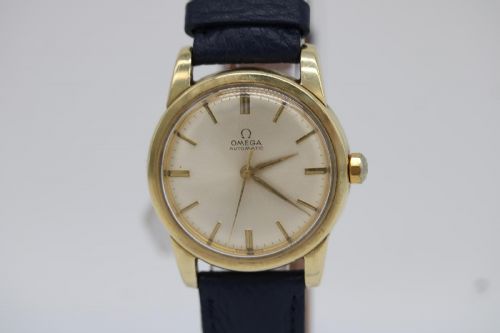
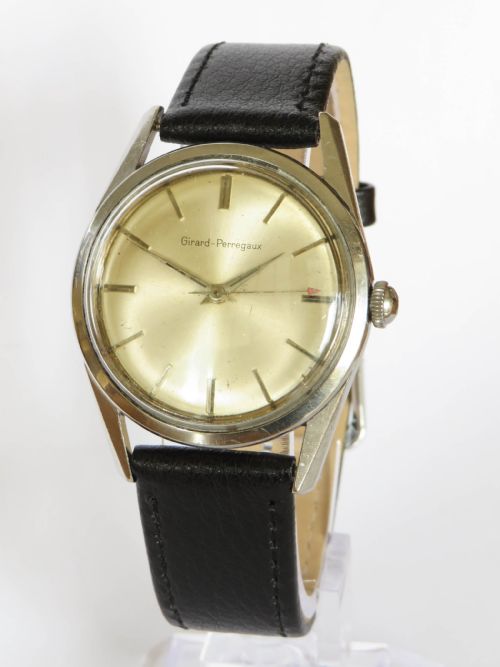


Classic Analogue Watch
A classic analogue watch is a mechanical or automatic timepiece that tells time with hands on a dial, bringing mid-century design to the wrist.
Classic Analogue Watch
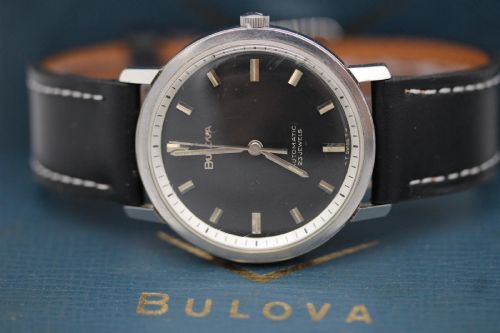
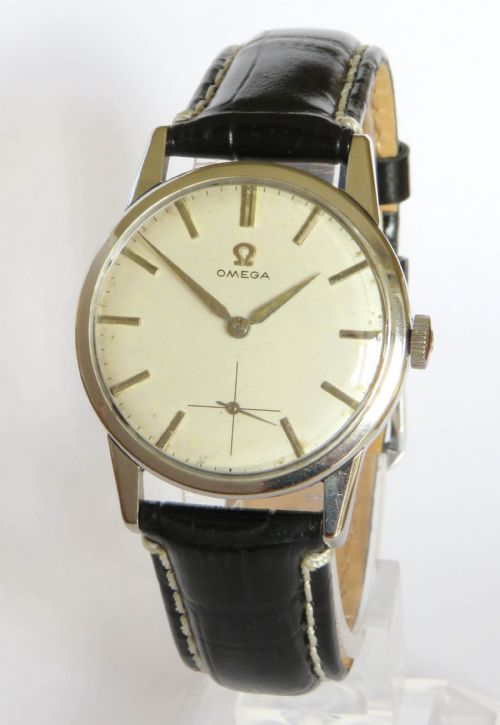
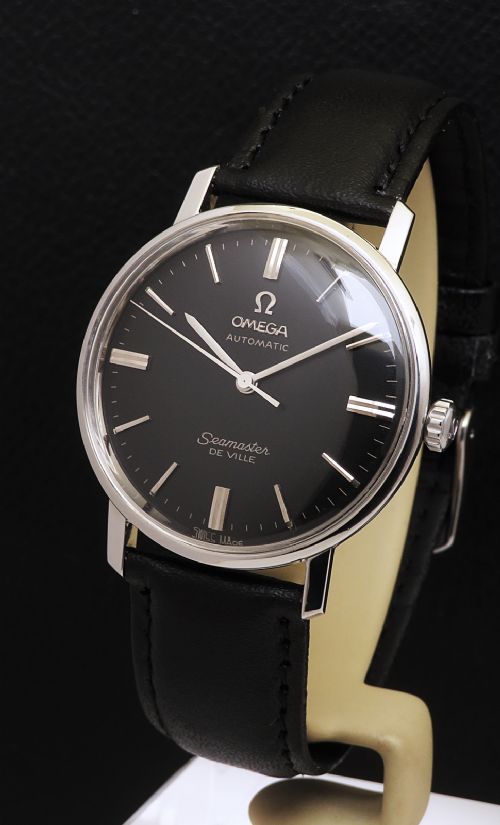
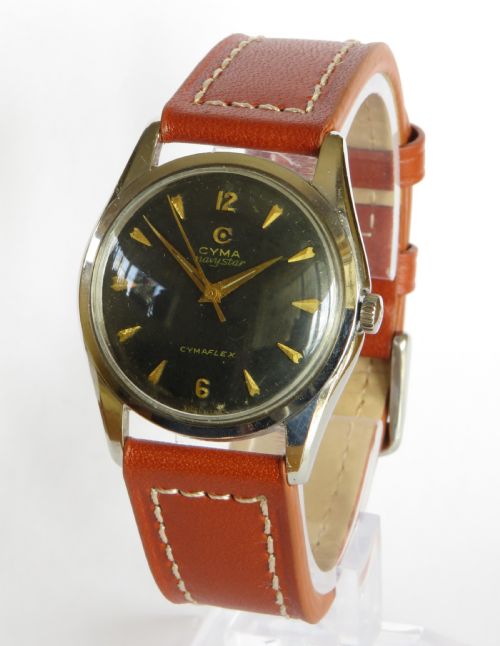
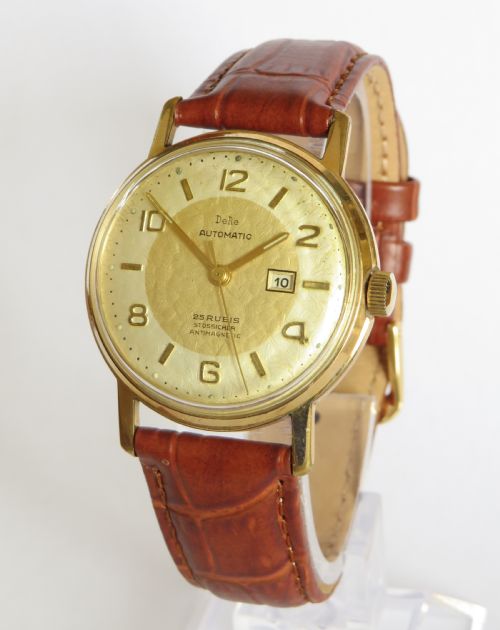
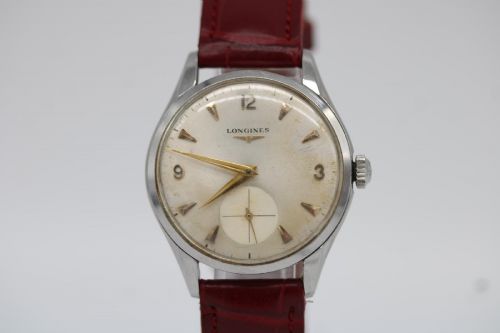
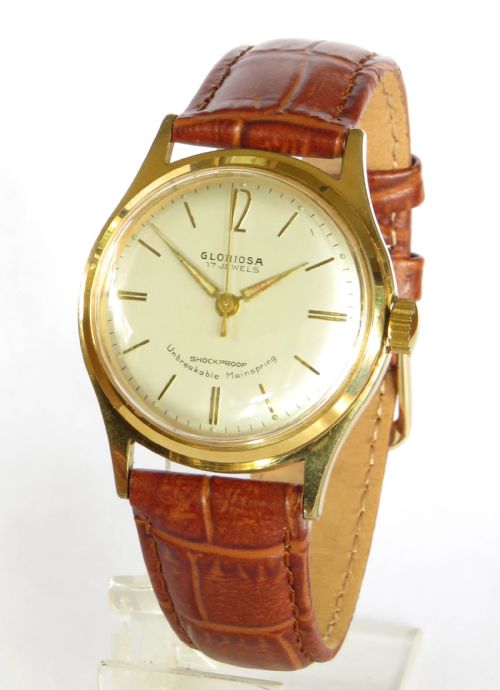
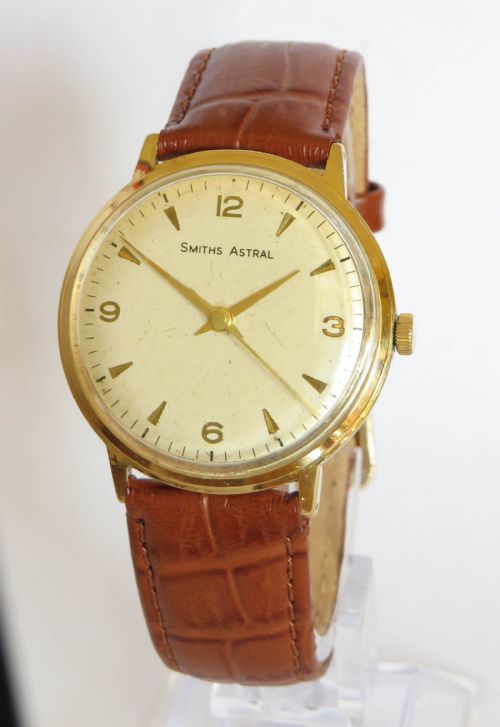
When you search for a classic analogue watch, you encounter men's wristwatches predominantly dating from the 1940s, 1950s, and 1960s. These pieces span styles from Art Deco to Mid-Century Modern and Mid-Century British, reflecting the dominant design aesthetics of those decades.
The selections available here range from manual wind movements to automatic calibres, often presented with traditional leather straps. Makers such as Omega, Longines, Cyma, Eterna, Girard Perregaux, and Smiths define the core of what surfaces in this category.
How they were made
Watchmakers utilised stainless steel, gold plate, and chrome-plated steel to construct durable cases designed to house delicate internal movements. Glass and acrylic glass protect the dials, balancing clarity with the manufacturing limitations of the mid-century period.
Strap construction relied primarily on leather, offering a flexible and comfortable fixture for daily wear. Manual wind and automatic mechanical calibres inside the cases required skilled assembly, featuring jewelled bearings to reduce friction in moving parts.
A tiny click inside tells you the mainspring is holding tight, keeping time the old-fashioned way.
What varies in quality
The grade of a piece often rests upon the preservation of the dial and the execution of the case materials, whether solid steel or gold plate. Original components and distinct movement calibres distinguish standard production watches from more refined horological examples.
Restoration work and overall condition dictate how closely a timepiece retains its original factory specification. Pieces described as fully restored or new old stock demonstrate different levels of historical preservation and mechanical attention.
Omega·Cyma·Longines·Smiths·Eterna·Girard Perregaux
The Classic Analogue Watch Glossary
- Manual wind
- A mechanical watch that requires the wearer to manually turn the crown to tension the mainspring. This traditional winding method powers the movement without the need for a battery.
- Automatic
- A self-winding mechanical watch that uses a weighted rotor to wind the mainspring using the natural motion of the wearer's arm. It combines mechanical tradition with everyday convenience.
- Calibre
- The specific internal movement or mechanism designed and built by a watchmaker. Collectors reference these specific numbers to identify the exact mechanical lineage of a watch.
- Acrylic glass
- A lightweight, shatter-resistant plastic material utilised for watch crystals during the mid-century period. It can be easily polished to remove surface scuffs.
- Jewels
- Synthetic rubies or sapphires placed at pivot points inside a watch movement to reduce friction and wear on metal components. A higher jewel count typically indicates a more refined mechanism.
Classic Analogue Watch: Frequently Asked Questions
How do I wind a manual watch?
Gently rotate the crown clockwise between your thumb and forefinger until you feel resistance. Stop immediately once you feel that tension to avoid damaging the internal spring.
Wind the watch at approximately the same time each day to maintain consistent timekeeping. Avoid overwinding, as older mechanical components require a delicate touch.
Are these watches waterproof?
Mid-century wristwatches generally lack modern waterproof seals and gaskets. Exposure to moisture, rain, or hand washing can easily allow water inside the case.
Keep these timepieces away from water entirely to protect the dial, hands, and movement. Even pieces bearing historical water-resistant markings should be treated as dry-use only.
Can I wear one daily?
These watches suit regular daily wear provided you observe proper care routines. Be mindful that vintage mechanical movements are sensitive to heavy impacts, magnetic fields, and extreme temperatures.
Many collectors enjoy rotating several pieces through their weekly schedule. Regular servicing by a watchmaker keeps the internal gears functioning smoothly over time.
What is new old stock?
New old stock refers to original vintage items that were manufactured decades ago but remained unsold and unworn. These pieces survive in remarkably preserved condition without previous private ownership.
Finding items in this state offers a glimpse into historical retail inventory. They retain their original factory finishes and unpolished case lines.