




Classic Accent Table
These classic accent table examples bring period timber and brass lighting into a room, offering functional surfaces and lamps for daily use.
Classic Accent Table
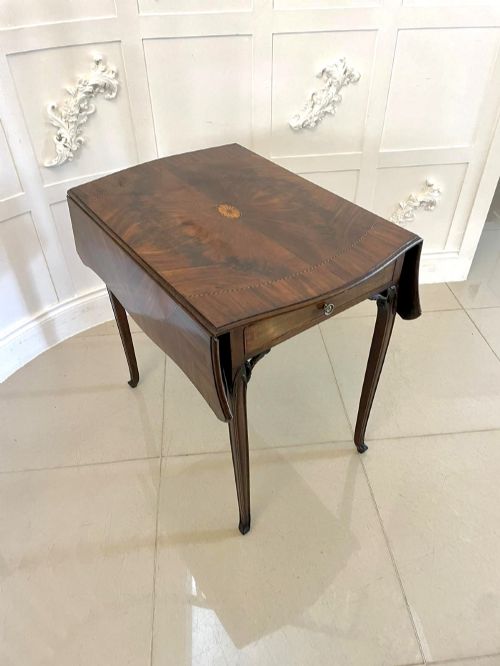
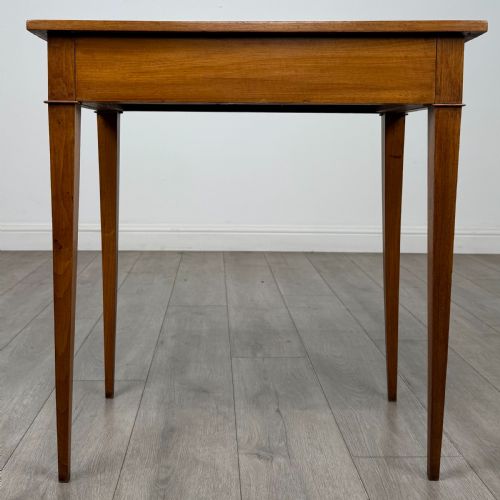
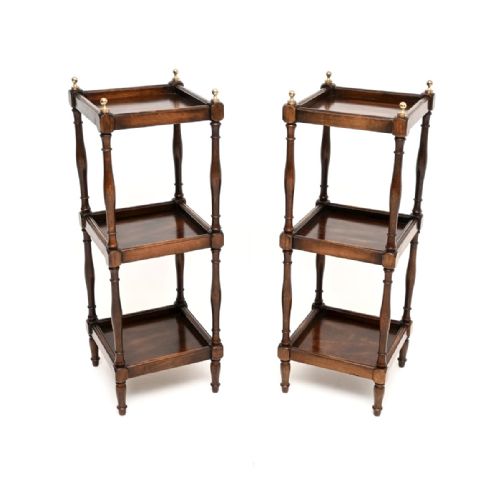
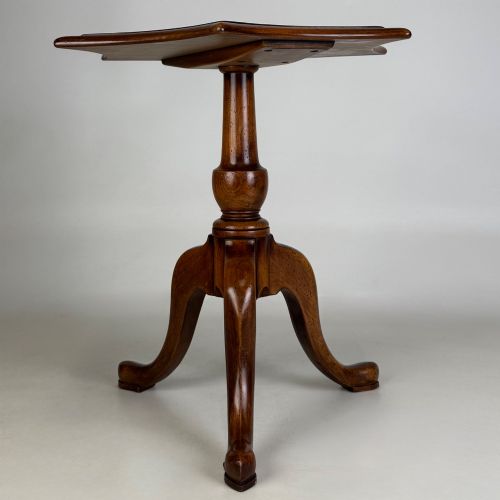
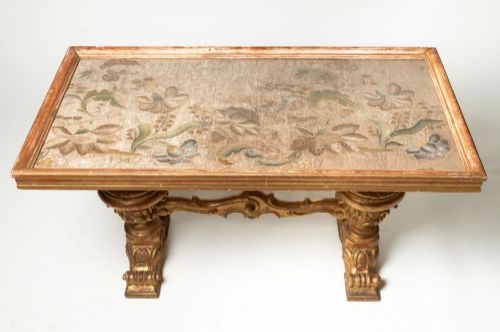
A classic accent table search gathers smaller occasional furniture and illumination pieces spanning the eighteenth century through the early twentieth century. Buyers encounter mahogany Pembroke tables, walnut side tables, and brass or marble table lamps across Georgian, Edwardian, and later periods.
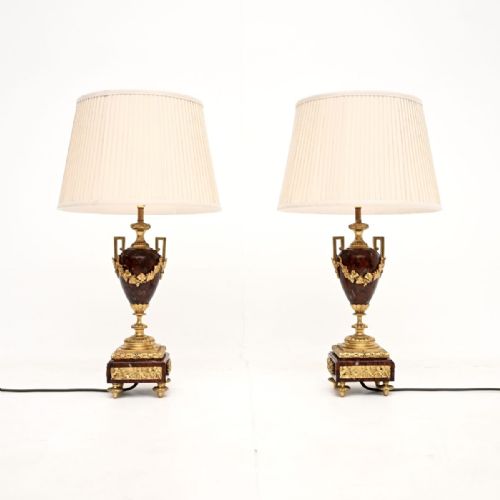
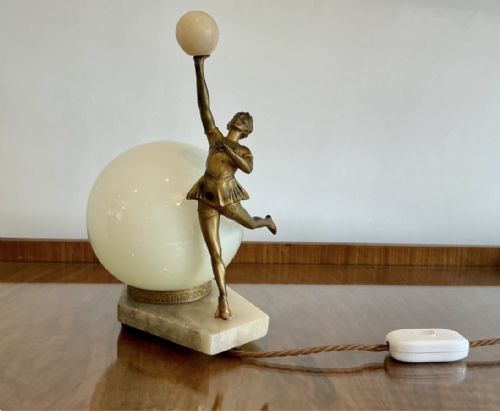
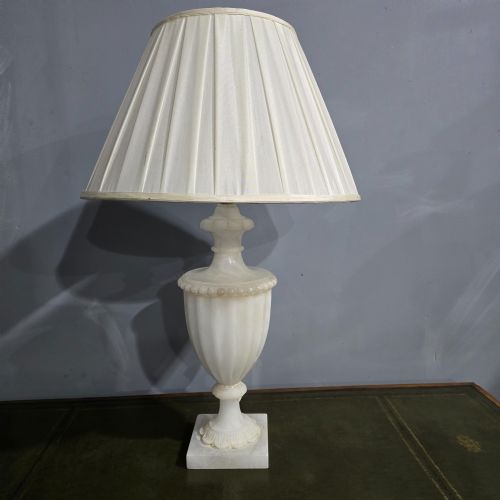
Side and occasional tables dominate the timber selection, frequently featuring inlaid details, drop leaves, or tripod bases. Alongside these surface pieces, the lighting category includes cut crystal, alabaster, bronze, and majolica lamps designed to sit upon them.
How they were made
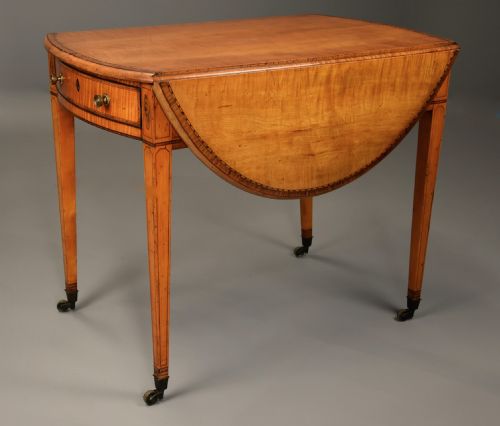
Construction relies on traditional cabinet timbers such as mahogany, walnut, and satinwood, occasionally enhanced with marquetry or fiddleback sycamore figure. Joinery methods reflect period cabinetmaking standards, visible in drop-leaf Pembroke hinges and stable tripod bases.
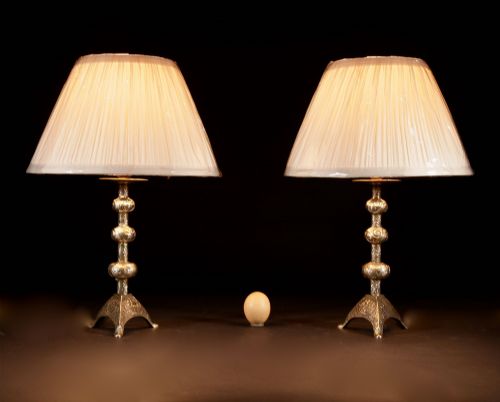
Lighting pieces combine cast brass, gilt bronze, and carved marble with fabric shades or cut crystal glass bodies. Metalwork often employs founding and chasing techniques appropriate to the nineteenth and early twentieth centuries.
The listings combine eighteenth-century Pembroke tables in mahogany and sycamore with nineteenth-century bronze and marble lighting fixtures.
What varies in quality
Timber selection and surface finish dictate distinction among the wooden tables, separating simple utility items from pieces possessing fine patina and detailed inlay. Grain choice, such as solid fiddleback sycamore or figured mahogany, elevates the standing of an individual Pembroke table.
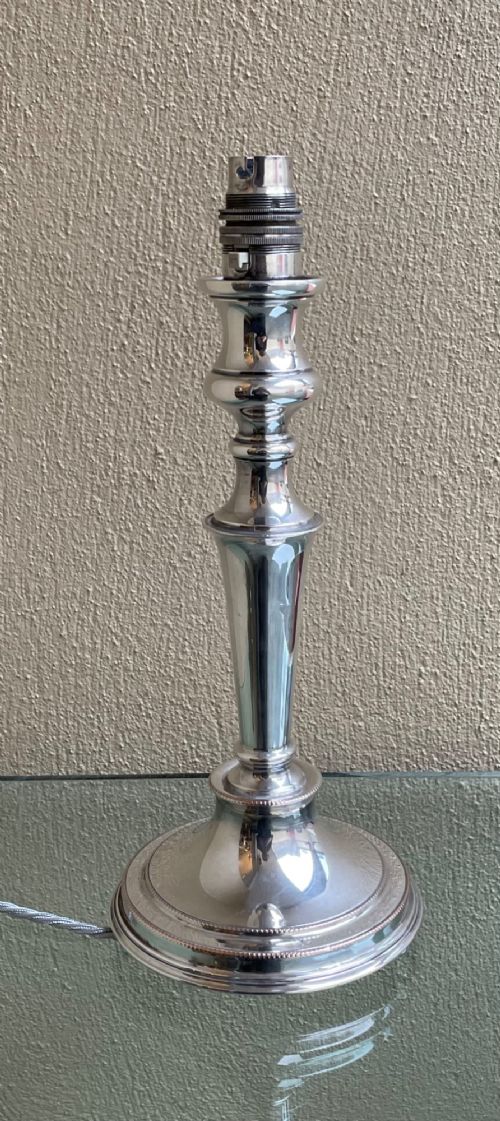
Material weight and decorative execution separate the lighting options, where solid brass or heavy marble and bronze assemblies contrast with lighter silver-plated or simpler ceramic bodies. The crispness of cast metal ornament and the clarity of cut crystal demonstrate the maker's original ambition.
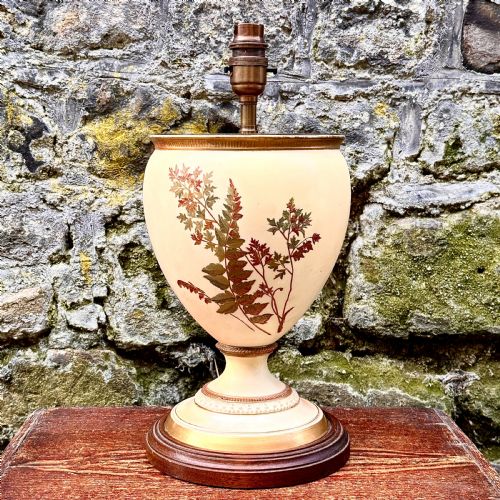
Royal Worcester
The Classic Accent Table Glossary
- Pembroke table
- A small rectangular table featuring two hinged drop leaves on opposing sides. These versatile pieces often include a single drawer and were originally designed for breakfast or writing.
- Tripod table
- A freestanding small table supported by a central pillar above three spreading legs. This form gained popularity during the Georgian period for stability on uneven floors.
- Occasional table
- A small, movable table intended for a specific, temporary use within a room. Examples include small side tables and lamp tables placed beside seating.
- Satinwood
- A durable, yellowish timber prized for its smooth grain and reflective quality. Cabinetmakers utilised it extensively for inlay and veneering in high-status eighteenth-century furniture.
- Fiddleback figure
- A decorative pattern in wood grain resembling the back of a violin, caused by undulating annual rings. It appears in timbers like sycamore when viewed under reflected light.
Classic Accent Table: Frequently Asked Questions
Where do I place a Pembroke table?
A Pembroke table functions well beside a sofa or chair with one or both leaves dropped to save space.
Opening the leaves provides an impromptu surface for drinks or books when guests visit.
How do I care for antique timber?
Keep wooden tables away from direct heat sources and strong sunlight to prevent the timber from drying out and cracking.
Apply traditional wax polish occasionally and buff with a soft cloth to maintain the natural shine.
Can I use period lamps safely?
Older lamps require inspection by a qualified electrician to ensure the wiring meets current safety standards before regular use.
Many antique brass and bronze bodies accept modern fittings without altering the exterior appearance.
How do I distinguish Georgian from Edwardian timber?
Georgian pieces from the eighteenth century typically exhibit deeper patination and structural joinery suited to native hardwoods like mahogany.
Edwardian furniture often incorporates lighter Edwardian styling and machine-assisted production methods alongside traditional craftsmanship.