


Claret Decanter Bottle
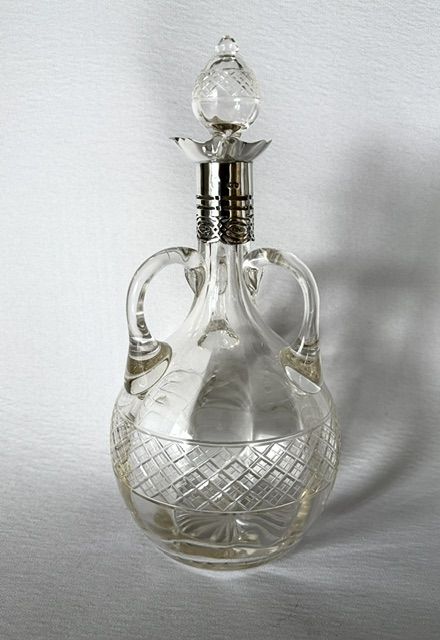
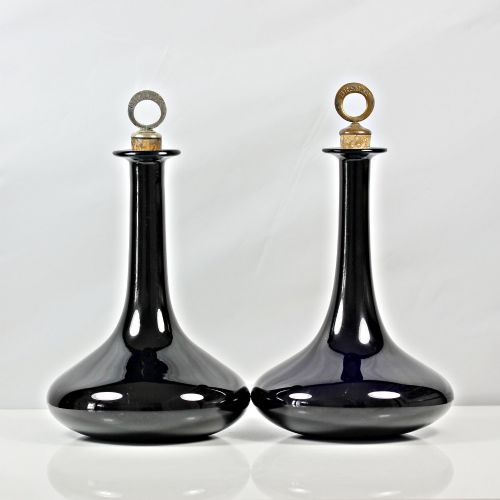
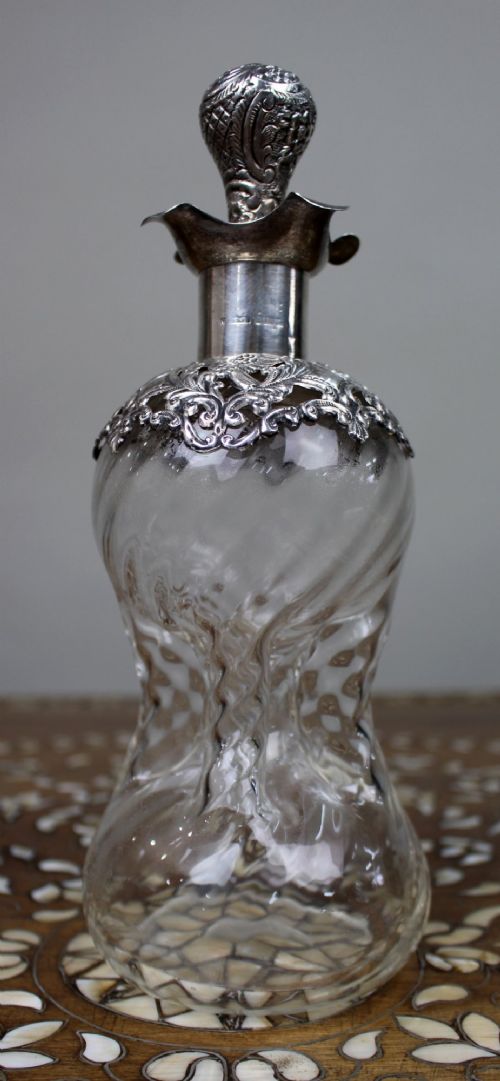
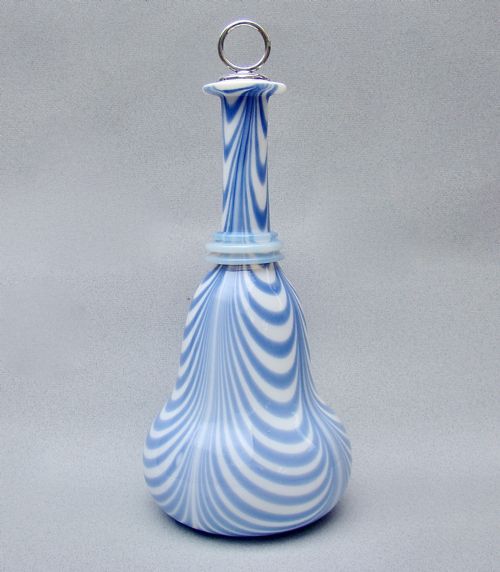
A claret decanter bottle sits ready on the sideboard, holding red wine in clear, cranberry, green, or Bristol blue glass fitted with sterling silver mounts.
Claret Decanter Bottle
A claret decanter bottle serves wine at the dining table, taking the form of ewers, jugs, and mell decanters from the Georgian, Victorian, and Edwardian periods. Buyers search for these vessels to bring period glassware into modern dining rooms, finding examples ranging from simple tinted bottles to ornate silver-mounted pieces.
The material varieties span clear cut glass, flash cranberry glass, green glass, and deep blue vessels, often enhanced with enamel work such as Mary Gregory designs or figural shapes like dogs. Most pieces date from the nineteenth century, including specific decades from 1860 to 1900, alongside earlier Georgian and William IV examples.
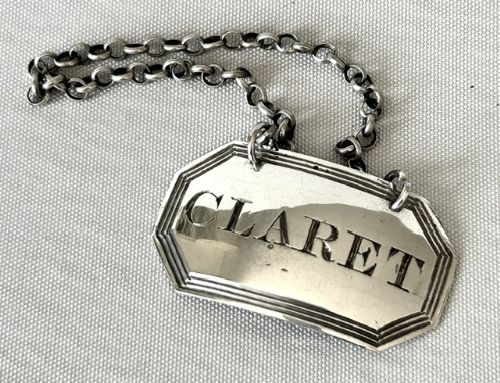
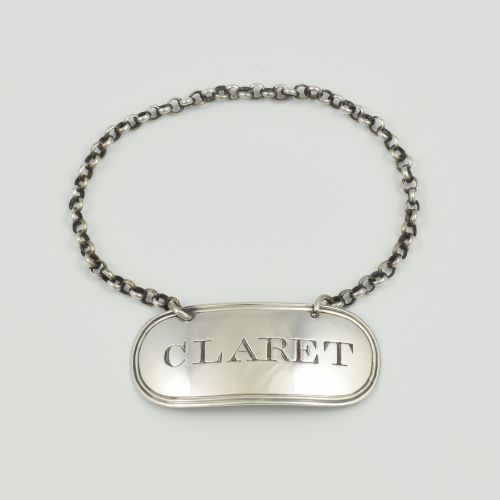
Silver mounts, collars, and matching claret labels frequently accompany the glass bodies, supplied by makers such as Thomas Wallis II. These additions turn a simple wine bottle into an articulated piece of tableware suitable for formal dining.
How they were made
Glassmakers shaped these vessels using hand-blowing techniques, creating deep hues in cranberry, blue, green, and amber glass, or leaving the material clear for heavy wheel-cutting. Nailsea and Bristol traditions contributed specific regional colorations and handling to the glass bodies.
Silversmiths constructed mounts, collars, and handles from sterling silver or Old Sheffield plate, securing them around the bottle necks with cork stoppers. Enamel painting added white silhouette figures, such as children in landscapes, directly onto the coloured glass surfaces.
Some nineteenth-century glassmakers abandoned traditional shapes entirely to fashion wine bottles in the likeness of attentive dogs.
What varies in quality
The crispness of the wheel-cut facets on the glass and the weight of the metal mounts determine the caliber of a piece. Finer examples display deeply driven crystal facets and heavy sterling silver collars rather than thin plated brass.
Artistic execution on the enameled decoration separates standard production items from superior studio work, particularly in the detailed brushwork of Mary Gregory style pieces. The integration between the glass body and the silver neck mount also indicates the original maker's skill.
Thomas Wallis II
The Claret Decanter Bottle Glossary
- Mell decanter
- A mallet-shaped wine bottle with a tapered body designed to sit stably on a sideboard. This form appeared during the Georgian and early Victorian eras.
- Ewer
- A jug with a wide spout and a large handle, frequently utilised for serving wine or claret at the table. Victorian examples often feature heavy cut glass bodies.
- Mary Gregory glass
- Coloured glass decorated with white enamel silhouettes, typically depicting children or birds amidst foliage. This style gained popularity during the Victorian period.
- Old Sheffield plate
- A composite material made by fusing a thin sheet of silver to a thicker copper base. It predates modern electroplating and appears on nineteenth-century wine carafes.
Claret Decanter Bottle: Frequently Asked Questions
How do I date a claret decanter bottle?
Examine the hallmarks on the silver mounts and the manufacturing traits of the glass body. Georgian and Victorian pieces show distinct pontil marks and mount styles that separate them from later Edwardian work.
Matching the glass colour, such as cranberry or Bristol blue, with the style of any engraved crests or labels helps narrow down the decade of production.
Can I use these decanters for modern wine?
These vessels function well for serving claret and other red wines after checking the internal condition and cork stoppers. Hand washing preserves the antique glass and enamel work.
Care must be taken with pieces featuring delicate silver mounts or painted enamel decoration during cleaning.
What do claret labels indicate?
Claret labels hang by chains around the neck of the bottle to identify the contents for diners. Sterling silver examples often carry maker marks and date letters.
Finding a matched label and decanter set from the same period adds historical context to the piece.