

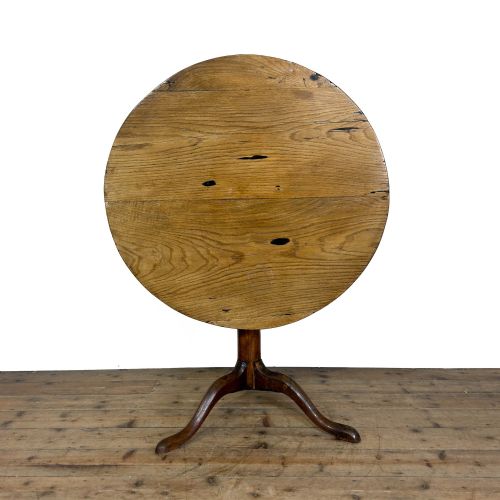
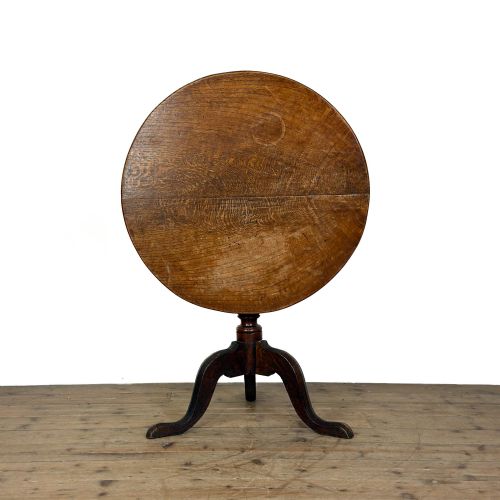
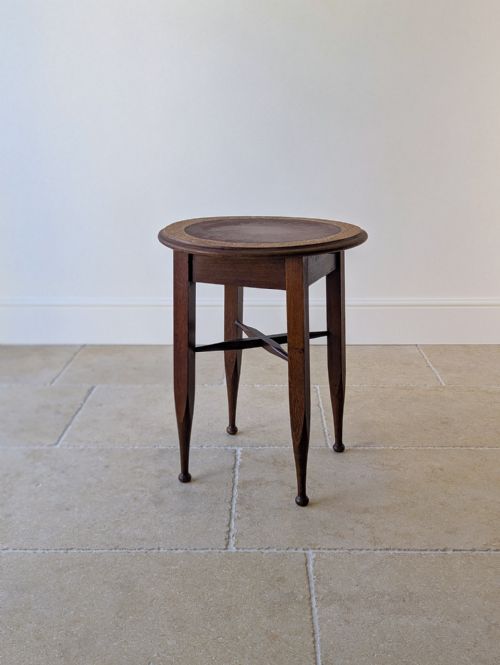
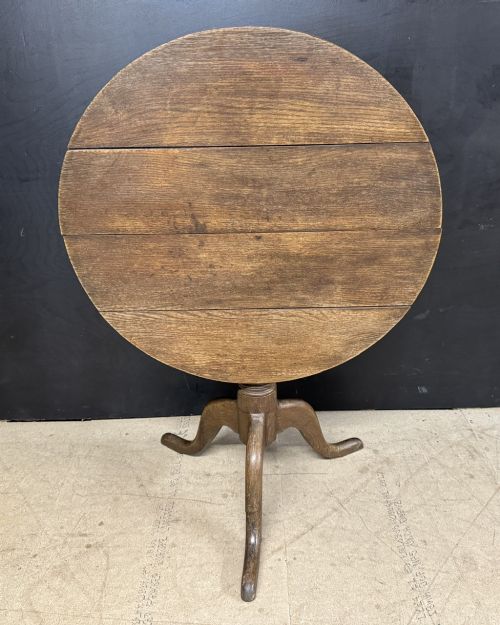
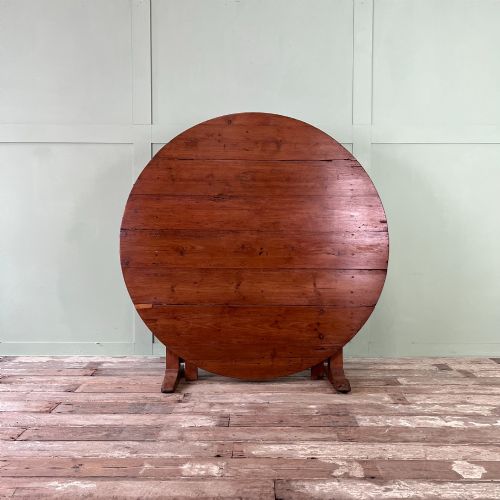
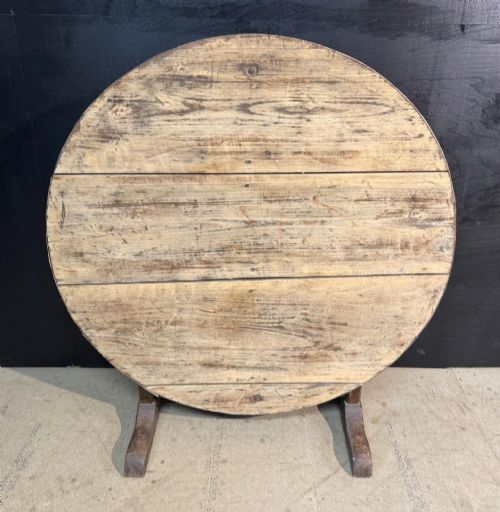
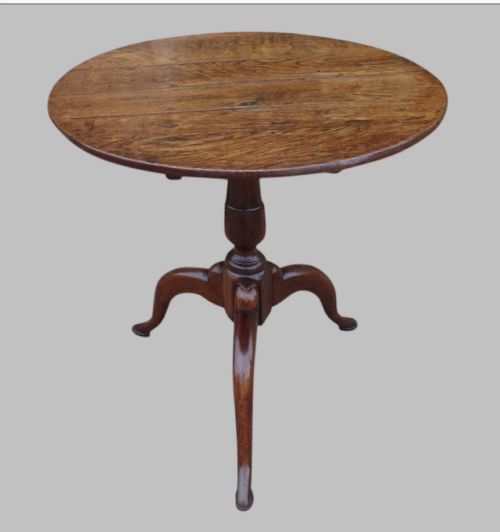
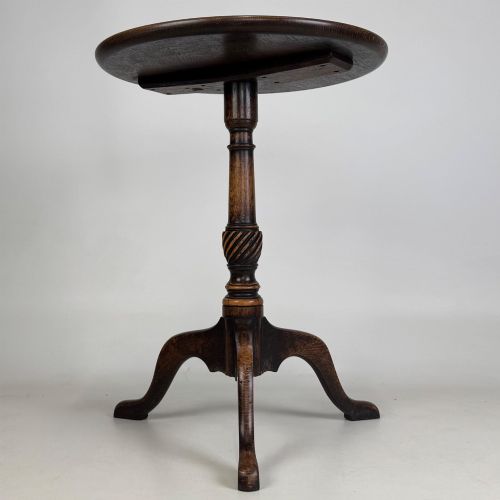

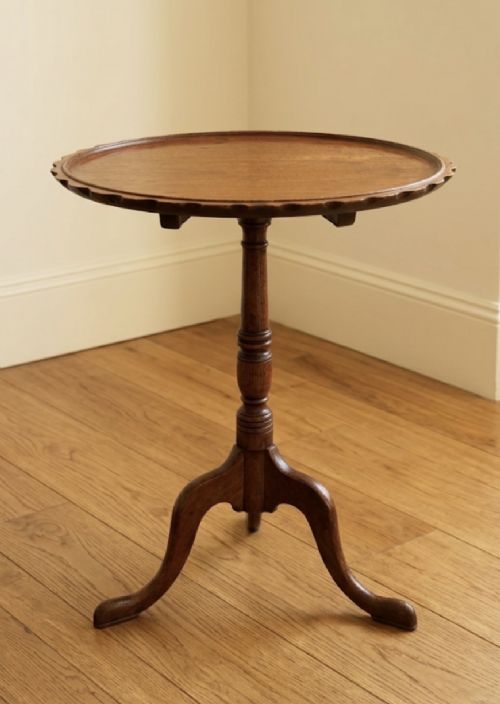


Circular Oak Wine Table
A circular oak wine table brings compact, timber-turned utility to a corner, born from centuries of modest English and continental dining.
Circular Oak Wine Table
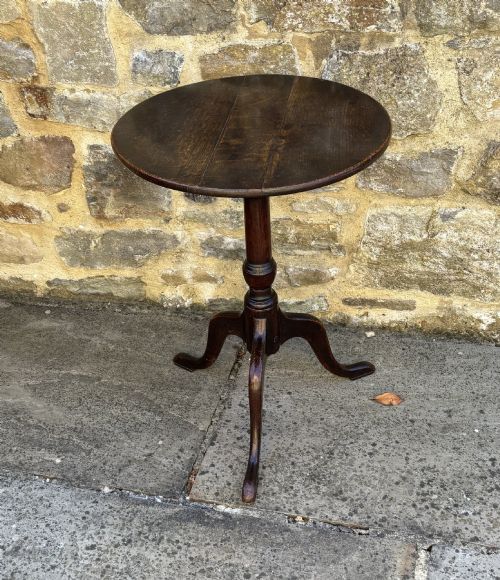
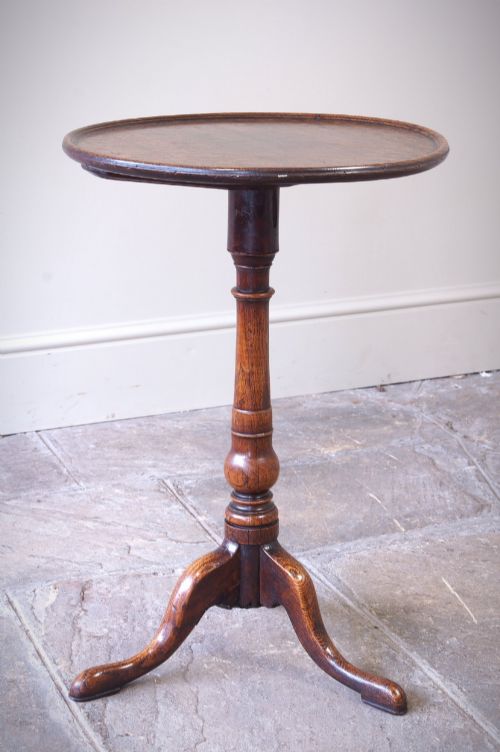
A circular oak wine table is a small, portable stand designed originally for pouring drinks or holding small vessels, resting typically upon a central pillar and three splayed legs. When you search for this phrase, you encounter pieces spanning from the 18th century through the Victorian and Edwardian eras, with Georgian country examples appearing most frequently.
The form embraces versatile utility, serving as an occasional table, lamp stand, or tilt-top table alongside its primary wine function. Many feature tripod bases, while others adopt folding frames seen in continental vineyard tables.
Origins stretch across English regional workshops, Welsh vernacular traditions, and French provincial makers. The core material remains oak, frequently joined by fruitwood, cherry, or mixed wood veneers.
What varies in quality
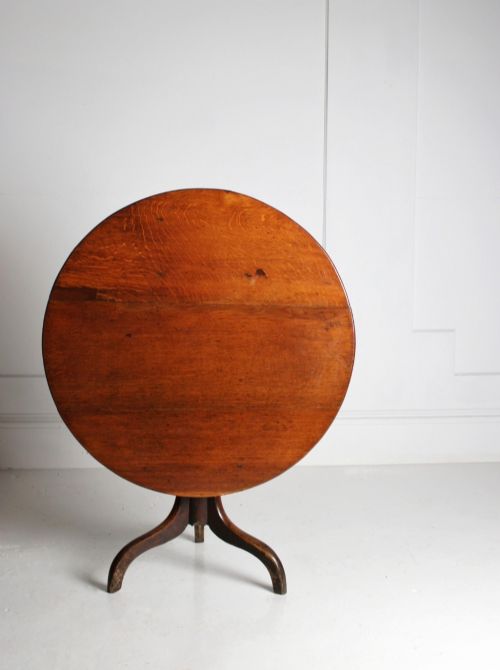
The distinction between ordinary and exceptional tables rests in the choice of timber and the crispness of the turning. Burr oak or figured grain commands greater visual depth, whereas plain boards show simpler, straighter growth rings.
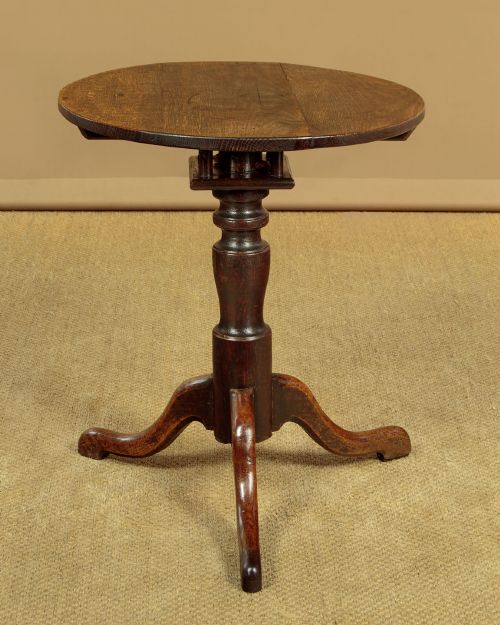
Proportion and stability define the structural tier of each piece. A well-balanced tripod base sits firmly without modern shims, and a mechanism operates smoothly without excessive play in the central catch.
Circular Oak Wine Table Retail Price Guide 2026
Typical asking prices for circular oak wine table among the pieces listed under this phrase on Sellingantiques today, from the lower quarter to the upper quarter. They describe what is for sale here now, not the wider market.
Several tables retain the scars of spilled vintage wine and busy vineyard harvests, soaked straight into the oak grain.
The Circular Oak Wine Table Glossary
- Tripod table
- A small stand supported by three legs radiating from a central pillar. This configuration prevents rocking on uneven floors.
- Tilt-top table
- A table featuring a mechanism that allows the circular surface to pivot vertically when not in use. This saved precious floor space in smaller period rooms.
- Birdcage
- A timber framework beneath the tabletop that permits both rotation and tilting actions. It uses small turned spindles resembling a cage.
- Vendange table
- A French folding table designed for grape harvests and vineyard work. They utilise sturdy oak frames that fold flat for seasonal storage.
- Patination
- The lustrous surface finish developed through age, handling, and wax polishing. It reveals the underlying warmth of the oak.
Circular Oak Wine Table: Frequently Asked Questions
What was a wine table used for?
These tables served as portable surfaces for holding decanters, glasses, and cups during evening gatherings in period parlours. Their modest proportions allowed servants to move them easily around a room.
Over time, owners adapted them to hold lamps, books, or decorative porcelain displays as domestic habits changed.
How do I tell an 18th-century table from a Victorian one?
Eighteenth-century examples often display vernacular country craftsmanship with pegged joints, hand-turned pedestals, and rich, dark patination. Georgian pieces frequently incorporate tilt-top mechanisms.
Victorian and later versions tend to feature more uniform machine turning, varied timber combinations like pollard oak, or distinct Arts and Crafts styling.
Can I use a wine table in a modern room?
Their compact circular tops make them ideal as bedside stands, chairside book rests, or lamp tables in contemporary spaces. The warm tones of aged oak complement both minimalist and traditional interiors.
Because they occupy minimal floor space, they fit effortlessly into awkward corners or narrow hallways.
What is a tilt-top mechanism?
A tilt-top mechanism connects the circular tabletop to the central pillar via a pivoting hinge and a catch. This lets the surface fold flat against the pedestal when the table is pushed aside.
It represents a clever space-saving invention popular among Georgian and 18th-century cabinet makers.