




Church Carving Saint
These church carving saint pieces bring devotional presence and historic craftsmanship into a room.
Church Carving Saint
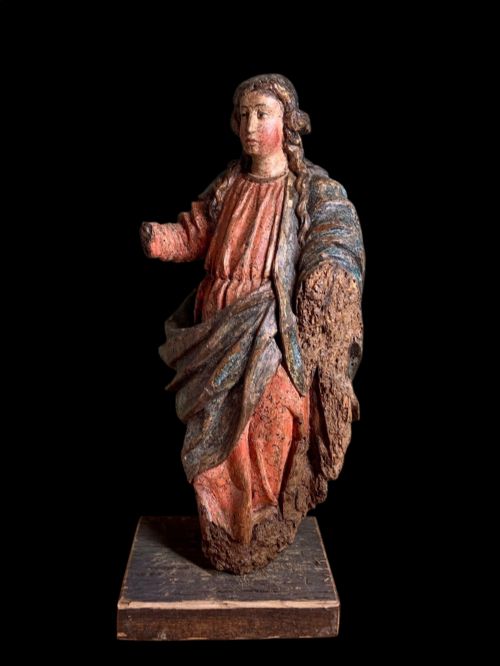
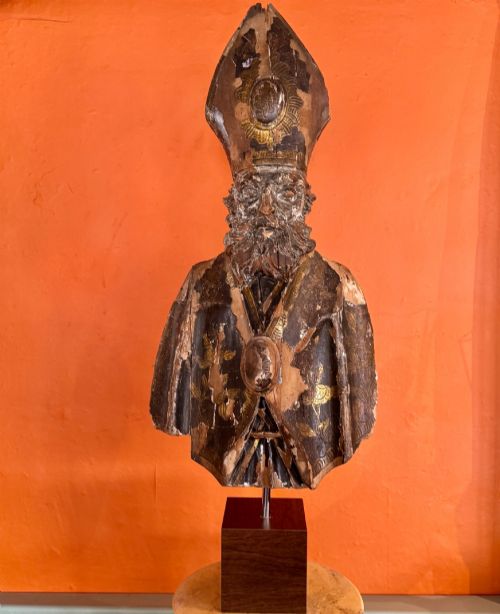
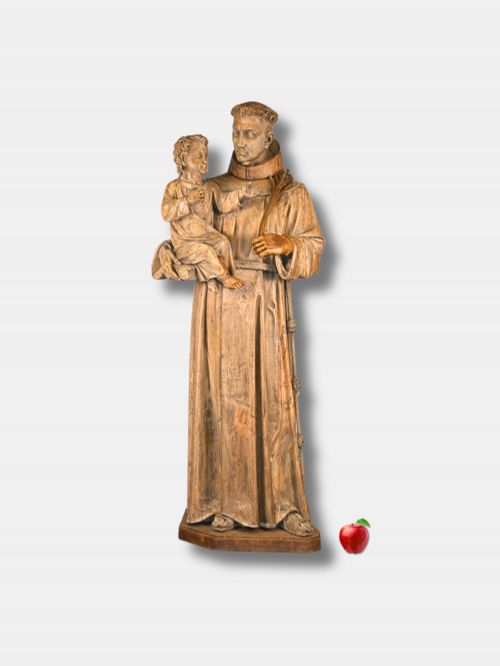
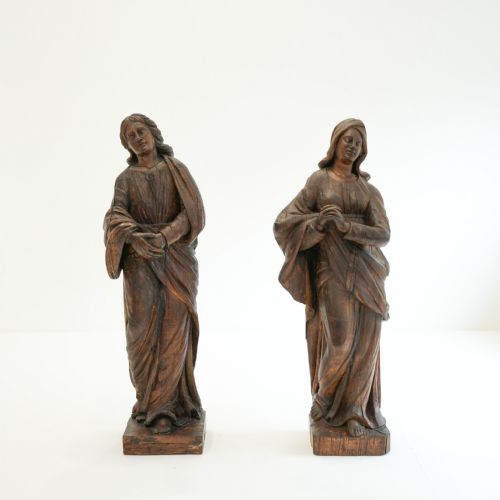
A church carving saint represents holy figures, bishops, and biblical characters originally destined for ecclesiastical settings. When searching for this phrase, collectors encounter wooden sculptures ranging from pre-sixteenth century Gothic pieces to eighteenth century Baroque examples.
The figures vary from French and Italian workshops to German and Spanish regions, often depicting specific saints like Anthony, Nicholas, or John. Oak and limewood provide the primary substance for these devotional sculptures.
Most examples take the form of freestanding statues or processional figures created to adorn religious spaces. Buyers frequently find pieces finished with polychrome paint, gesso, or gold leaf that have weathered centuries of use.
Materials and construction methods
Many sculptures received a preparation layer of gesso before painters applied polychrome pigments and gold leaf to enhance the visual impact. This layered surface technique gave the garments and flesh tones a lifelike appearance suitable for dim church interiors.
The inventory spans styles from Late Medieval and Gothic to Italian Baroque and nineteenth century ecclesiastical revivals.
Factors that define the work
The skill of the initial hand carving dictates the artistic merit of each figure, visible in the handling of facial expression and folding fabric. Superior works demonstrate anatomical understanding and dynamic movement rather than stiff execution.
The preservation of original surface treatments, such as polychrome paint and gold leaf, distinguishes better-surviving examples. Pieces retaining their early layers offer a more authentic connection to their period of origin.
The Church Carving Saint Glossary
- Polychrome
- Painted in several colours. This surface treatment brings depth and realism to historic wooden sculptures.
- Gesso
- A plaster mixture used as a base for paint or gold leaf. It creates a smooth white surface on wooden carvings.
- Gothic
- A medieval art style characterised by pointed arches and elongated figures. Pieces from this era often show dramatic drapery.
- Baroque
- An artistic period known for ornate detail and theatrical movement. Figures from this style display dramatic poses and rich surface gilding.
- Capipote
- A Spanish wooden statue with a carved head and hands attached to a framework. The body frame was dressed in real fabric vestments.
Church Carving Saint: Frequently Asked Questions
How old are these wooden figures?
The available pieces span from pre-sixteenth century medieval works up to nineteenth century revivals. Most examples date from the sixteenth through eighteenth centuries.
Carbon dating and stylistic analysis help determine the exact period of creation. Characteristics like tool marks and construction methods indicate the age of the wood.
Where were these statues made?
Origin locations include Italy, France, Germany, and Spain. Continental European workshops produced the vast majority of these ecclesiastical carvings.
Regional differences in clothing styles and carving techniques often point to the specific country of origin. Italian pieces frequently exhibit Baroque influences while German works often display Gothic traits.
What wood types do carvers use?
Oak and limewood serve as the predominant materials for these religious sculptures. Other pieces simply use general carved wood substrates.
Limewood allowed for intricate detail work in sixteenth century German pieces. Oak provided sturdy durability for larger figures across various centuries.
How do I display a saint statue?
These figures suit placement on sturdy furniture surfaces or dedicated pedestals within a room. Stable indoor conditions protect the historic wood and painted surfaces.
Keeping the sculptures away from direct sunlight and extreme temperature changes preserves the gesso and polychrome layers. Proper lighting highlights the hand-carved details and historic finishes.