
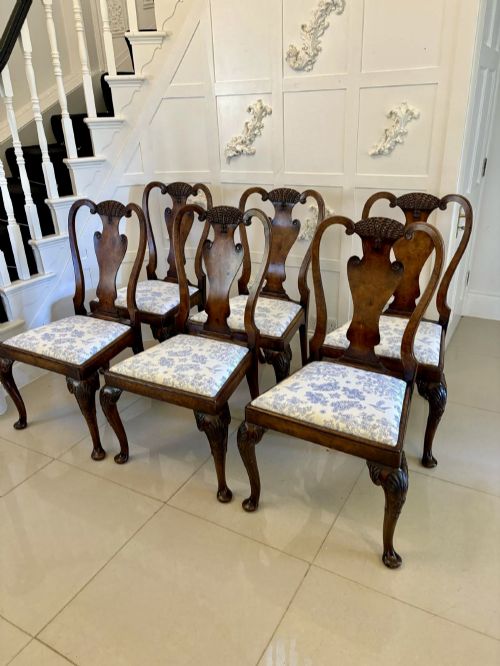
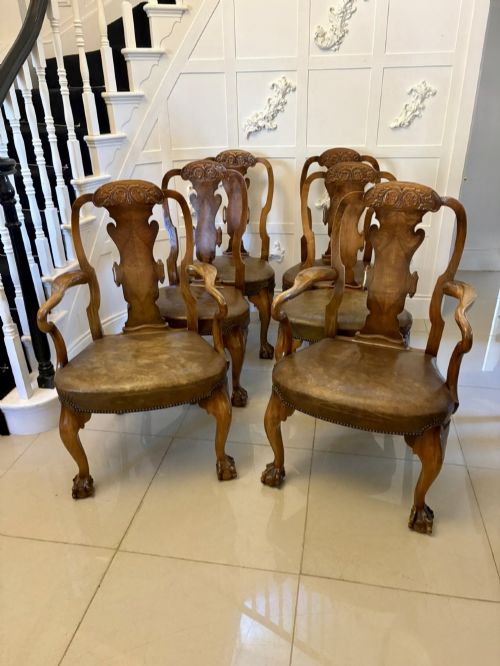
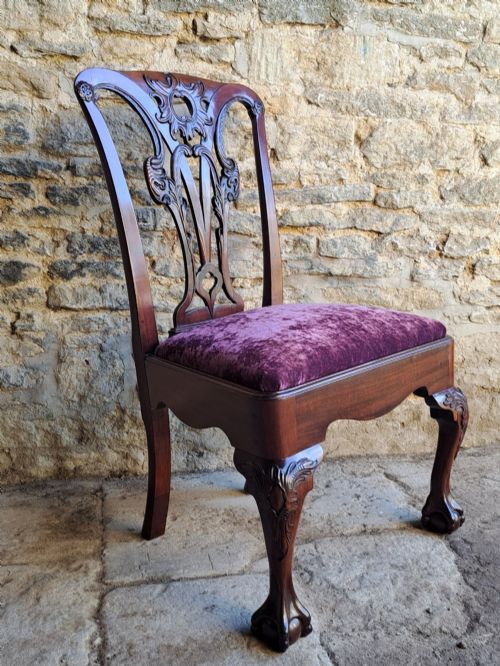
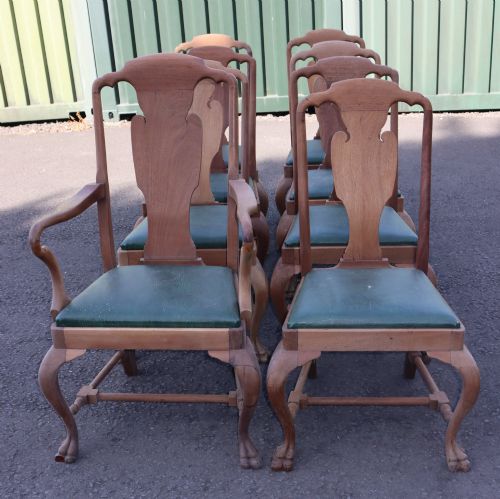


Chippendale Walnut Chair
A chippendale walnut chair brings tactile warmth and carved precision to a room, drawing the eye with rich timber grain and classic proportions.
Chippendale Walnut Chair
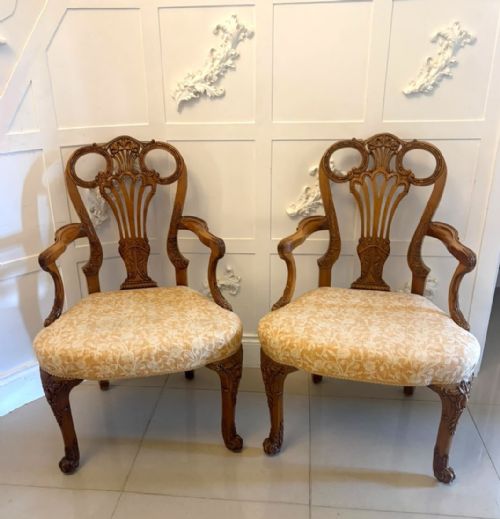
A chippendale walnut chair appears across several centuries of cabinetmaking, ranging from mid eighteenth century originals to later revival pieces. Buyers seek these forms for their sturdy timber frames and sculptural backsplashes, which anchor a traditional interior with understated authority.
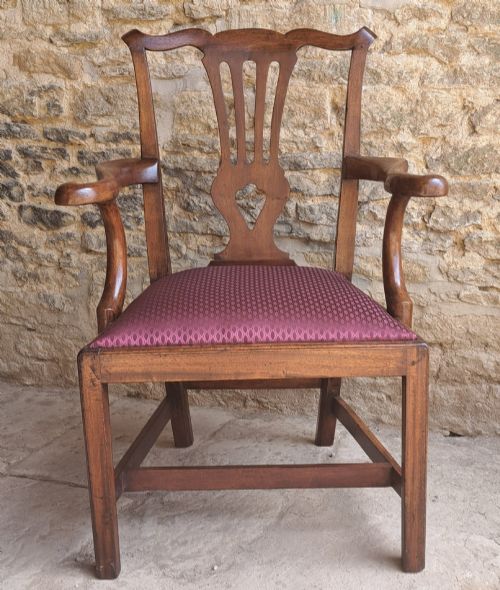
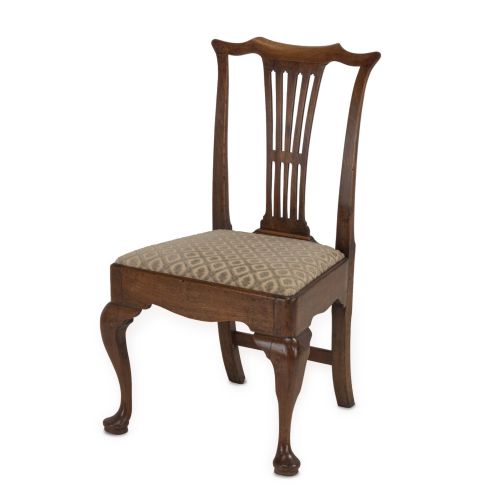
The selection encompasses diverse seating arrangements, including single side chairs, expansive dining sets, library armchairs, and compact corner chairs. Dining chairs and side chairs dominate the selection, often presenting pierced splats or carved rails that echo historic London workshops.
Regional variations emerge within the evidence, noting examples from Irish and Scottish makers alongside English output. Periods stretch from the seventeen fifties through the Georgian era and onward to Edwardian interpretations.
Materials and Construction
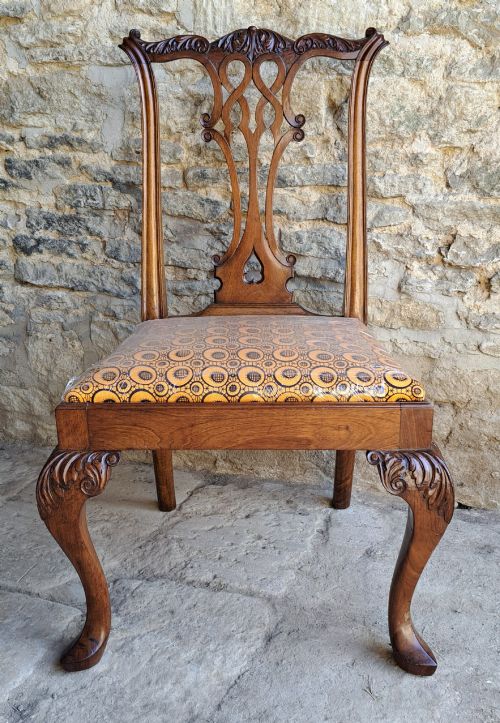
Solid walnut and burr walnut form the primary structural and visual medium, paired with secondary timbers for interior framing. Carvers shaped the dense grain into elaborate splats and cabriole legs while preserving the natural figure of the wood.
Seating areas rely on drop in frames upholstered in fabric, leather, velvet, tapestry, or needlepoint. Brass accents occasionally appear on castors or decorative mounts, while traditional joinery secures the stress points of arms and legs.
Listings span multiple eras from the mid eighteenth century up through nineteen thirty, showcasing both Georgian originals and later revival pieces in solid walnut.
Evaluating Quality
Depth of carving and sharpness of detail separate standard production from superior work. Crisp execution on ribbon backs, pierced splats, and shell motifs indicates a maker with absolute confidence in handling walnut.
Proportion and structural integrity dictate the standing of a piece. Well balanced rake in the rear legs and seamless joints in the crest rail demonstrate superior historical craftsmanship.
Warring And Gillows
The Chippendale Walnut Chair Glossary
- Cabriole leg
- A furniture leg that curves out and then in, mimicking animal limbs. It typically terminates in a pad or claw and ball foot.
- Ribbon back
- A chair back design where the central splat resembles interlaced ribbons. This treatment requires exceptional skill from the woodcarver.
- Needlepoint
- A type of canvas work embroidery used for upholstery. It provides a textured, colourful seat cover on period seating.
Chippendale Walnut Chair: Frequently Asked Questions
How do I spot a true eighteenth century chair?
Examine the timber underneath for tool marks, oxidation, and the density of the walnut grain. Construction methods using pegged joints and hand cut screws point toward period origin.
Compare the carving depth and overall proportion against documented examples from the same decade. Patina built up through centuries of handling offers a reliable indicator of age.
Are these chairs suitable for daily dining?
Most solid walnut dining chairs retain robust frames capable of regular use. Ensuring the joints remain tight protects the historic timber from undue stress during meals.
Adding discreet modern conservation measures under the seat frame can provide extra stability. Regular polishing maintains the moisture balance in the walnut surface.
What is the difference between an armchair and a carver?
Armchairs and carvers both feature supportive side rests, though carver often describes a chair designed to sit at the head of a dining table. Both share the characteristic carved splats and robust walnut framing.
Library armchairs and desk armchairs offer deeper seats suited to extended sitting. Choosing between them depends on the intended room and comfort requirements.
How should I care for antique walnut wood?
Keep wooden surfaces away from direct sunlight and strong heat sources to prevent the walnut from drying and splitting. Periodic application of quality wax preserves the natural lustre of the grain.
Avoid commercial liquid polishes containing silicone, which can penetrate historic finishes. Gentle dusting with a soft cloth keeps abrasive particles away from the carved details.